hepatitis treatment in homeopathic
Homeopathy emphasizes a holistic approach to wellness by first conducting a thorough assessment of each patient's unique health history and concerns. Based on this evaluation, a personalized treatment plan is crafted to address specific symptoms and promote overall well-being. Patients will benefit from continuous medication tailored to their needs, alongside guidance on lifestyle modifications that can enhance their health. Regular monitoring and follow-up ensure that treatment remains effective, while also prioritizing emotional and mental well-being throughout the process.
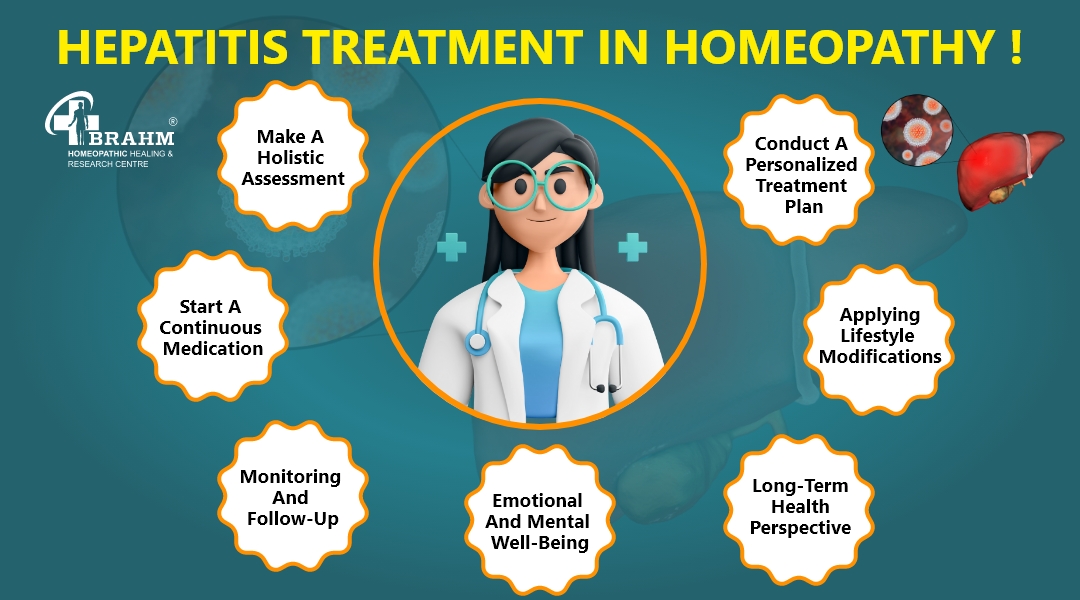
Treatment-A) Make a Holistic Assessment
Homeopathy follows a holistic assessment approach that looks at a thorough evaluation of the individual's physical, emotional, and social well-being. This includes understanding the patient's medical history, lifestyle habits, dietary preferences, and emotional state. In the context of acute hepatitis, this assessment includes identifying symptom duration and severity. Homeopathy places a priority on helping providers gain a deeper understanding of the disease and customize treatment approaches to the specific needs of the individual for a comprehensive understanding and well-being. Important diagnostic considerations include laboratory tests to evaluate liver enzymes, bilirubin levels, and viral markers, as well as imaging studies if necessary.
Treatment-B) Conduct a Personalized Treatment Plan
Once a holistic assessment is completed, a personalized treatment plan can be developed for the patient. This plan will focus on alleviating symptoms and promoting liver recovery while considering the individual's preferences and lifestyle. The primary components of treatment may include a combination of conventional medical approaches and complementary therapies such as homeopathy. Depending on the severity of the liver inflammation, medication may be prescribed to manage the viral infection or reduce inflammation. Additionally, homeopathic approaches tailored to the patient's specific symptoms and emotional state may also be integrated to support treatment.
Treatment-C) Start a Continuous Medication
To resolve acute hepatitis, you can take continuous medication prescribed by a homeopathy doctor, however, if antiviral medications or other supportive medications are indicated, it is necessary to establish a consistent medication routine. This includes setting a schedule that should be consistent with the patient's daily life to enhance compliance and effectiveness. Additionally, the healthcare provider should instruct the patient on how to monitor for any side effects or complications related to medication use. The goal of homeopathy is not only to treat the current condition but also to prevent future complications .
Treatment-D) Applying Lifestyle Modifications
Lifestyle modifications are an important component of the treatment plan for acute hepatitis. The main changes you need to make to get rid of the disease include adopting a liver-friendly diet rich in fruits, vegetables, whole grains, and healthy fats while avoiding alcohol, processed foods, and excess sugar. It is important to emphasize hydration, as it helps maintain liver function and overall health. Regular physical activity is encouraged according to the person's energy level and condition to promote blood circulation and reduce fatigue. Stress management techniques, such as yoga, meditation, or mindfulness exercises, may also be beneficial in promoting mental and emotional health.
Treatment-E) Monitoring and Follow-Up
Ongoing monitoring and follow-up are essential for a good, effective treatment and to ensure recovery. Regular check-ups during homeopathy treatment allow healthcare providers to evaluate the patient's progress, assess the effectiveness of the treatment plan, and make changes as needed. This may include tracking liver enzyme levels and scheduling blood tests to ensure they are normalizing. Based on these assessments, the treatment regimen can be adjusted in real-time, ensuring the patient receives optimal care tailored to their changing needs.
Treatment-F) Emotional and Mental Well-Being
Emotional and mental health are the first priority for all patients, especially when dealing with a diagnosis of acute hepatitis. The stress and uncertainty associated with the disease can affect both mental health and recovery. Homeopathy encourages patients to express their feelings and concerns. Incorporating therapeutic practices such as counseling or support groups can help manage the anxiety and depression that can arise during this time. Homeopathy treatment recognizes the importance of mental health, allowing for a more comprehensive approach to treatment.
Treatment-G) Long-Term Health Perspective
While you need to consult a homeopathy doctor for long-term health, there is no need to understand the many types of treatments when you opt for homeopathy for your health treatment. Educating patients about the possibility of chronic liver disease and the importance of maintaining liver health can empower them to take proactive steps in their lifestyle choices. Regular checkups and screenings can help monitor liver function over time, ensuring that any abnormalities are detected early. Emphasizing preventive health measures such as vaccinations for hepatitis A and B can reduce the risk of liver problems later on. By taking a long-term approach, patients can create a sustainable lifestyle that promotes overall wellness.
Stories
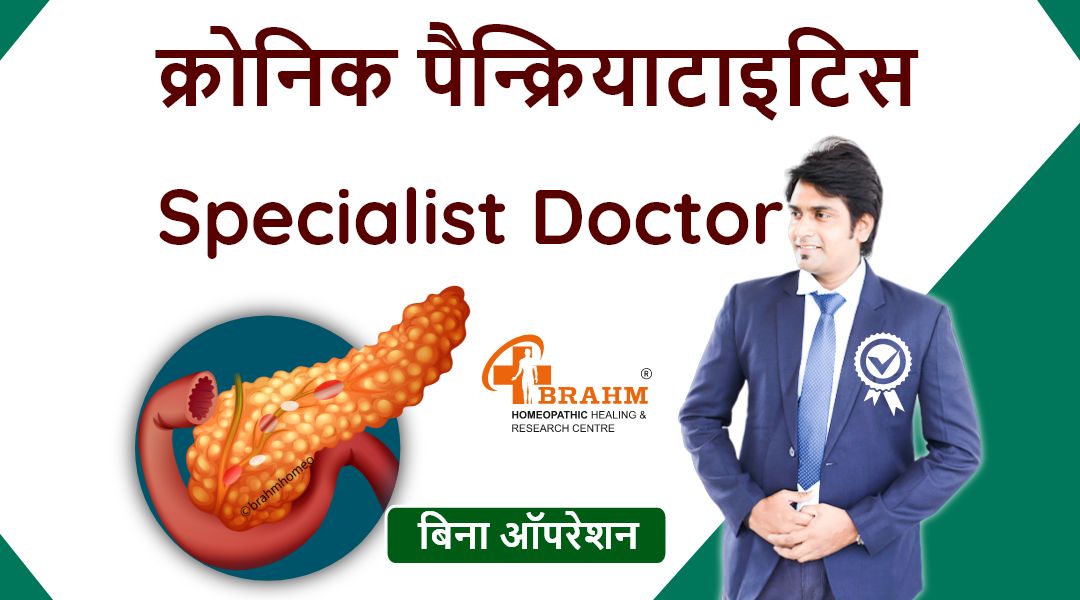
chronic pancreatitis treatment in hindi
पैंक्रियास ठीक करने के उपाय
पैंक्रियाटाइटिस एक बीमारी है जो आपके पैंक्रियास में हो सकती है। पैंक्रियास आपके पेट में एक लंबी ग्रंथि है जो भोजन को पचाने में आपकी मदद करती है। यह आपके रक्त प्रवाह में हार्मोन भी जारी करता है जो आपके शरीर को ऊर्जा के लिए भोजन का उपयोग करने में मदद करता है। यदि आपका पैंक्रियास क्षतिग्रस्त हो गया है, तो पाचन एंजाइम सामान्य रूप से आपकी छोटी आंत में नहीं जा सकते हैं और आपका शरीर ऊर्जा के लिए भोजन का उपयोग नहीं कर सकता है।
पैंक्रियास शरीर का एक महत्वपूर्ण हिस्सा है जो हार्मोन इंसुलिन का उत्पादन करके रक्त शर्करा को नियंत्रित करने में मदद करता है। यदि इस अंग को नुकसान होता है, तो इससे मानव शरीर में गंभीर समस्याएं हो सकती हैं। ऐसी ही एक समस्या है जब पैंक्रियास में सूजन हो जाती है, जिसे तीव्र पैंक्रियाटाइटिस कहा जाता है।
क्रोनिक पैंक्रियाटाइटिस पैंक्रियास की सूजन है जो लंबे समय तक रह सकती है। इससे पैंक्रियास और अन्य जटिलताओं को स्थायी नुकसान हो सकता है। इस सूजन से निशान ऊतक विकसित हो सकते हैं, जो इंसुलिन उत्पन्न करने वाली कोशिकाओं को नुकसान पहुंचा सकते हैं। यह पुरानी अग्नाशयशोथ वाले लगभग 45 प्रतिशत लोगों में मधुमेह का कारण बन सकता है। भारी शराब का सेवन भी वयस्कों में पैंक्रियाटाइटिस का कारण बन सकता है। ऑटोइम्यून और आनुवंशिक रोग, जैसे सिस्टिक फाइब्रोसिस, कुछ लोगों में पुरानी पैंक्रियाटाइटिस का कारण बन सकते हैं।
उत्तर भारत में, ऐसे बहुत से लोग हैं जिनके पास पीने के लिए बहुत अधिक है और कभी-कभी एक छोटा सा पत्थर उनके पित्ताशय में फंस सकता है और उनके अग्न्याशय के उद्घाटन को अवरुद्ध कर सकता है। इससे उन्हें अपना खाना पचाने में मुश्किल हो सकती है। 3 हाल ही में एशिया-प्रशांत क्षेत्र के विभिन्न देशों में किए गए एक सर्वेक्षण के अनुसार दक्षिण भारत में पुरानी अग्नाशयशोथ की व्यापकता प्रति 100,000 जनसंख्या पर 114-200 मामले हैं।
क्रोनिक पैंक्रियाटाइटिस के लक्षण ?
-कुछ लोगों को पेट में दर्द होता है जो पीठ तक फैल सकता है। -यह दर्द मतली और उल्टी जैसी चीजों के कारण हो सकता है। -खाने के बाद दर्द और बढ़ सकता है। -कभी-कभी किसी के पेट को छूने पर दर्द महसूस हो सकता है। -व्यक्ति को बुखार और ठंड लगना भी हो सकता है। वे बहुत कमजोर और थका हुआ भी महसूस कर सकते हैं।
क्रोनिक पैंक्रियाटाइटिस के कारण ?
-पित्ताशय की पथरी -शराब
-रक्त में उच्च ट्राइग्लिसराइड का स्तर -रक्त में उच्च कैल्शियम का स्तर
होम्योपैथी में क्रोनिक पैंक्रियाटाइटिस का इलाज कैसे किया जाता है?
होम्योपैथी में क्रोनिक पैंक्रियाटाइटिस नेक्रोसिस का उपचार उपचारात्मक है। आप कितने समय तक इस बीमारी से पीड़ित रहेंगे यह काफी हद तक आपकी उपचार योजना पर निर्भर करता है। ब्रह्म अनुसंधान पर आधारित चिकित्सकीय रूप से सिद्ध वैज्ञानिक उपचार मॉड्यूल इस बीमारी के इलाज में अत्यधिक प्रभावी हैं। हमारे पास आपके मामले का व्यवस्थित रूप से निरीक्षण और विश्लेषण करने, सभी संकेतों और लक्षणों, रोग के पाठ्यक्रम का दस्तावेजीकरण करने, रोग के चरण, पूर्वानुमान और जटिलताओं को समझने की क्षमता है, हमारे पास अत्यधिक योग्य डॉक्टरों की एक टीम है। फिर वे आपकी बीमारी के बारे में विस्तार से बताएंगे, आपको एक उचित आहार योजना (क्या खाएं और क्या नहीं खाएं), व्यायाम योजना, जीवनशैली योजना और कई अन्य कारक प्रदान करेंगे जो आपके समग्र स्वास्थ्य में सुधार कर सकते हैं। पढ़ाना। व्यवस्थित उपचार रोग ठीक होने तक होम्योपैथिक औषधियों से उपचार करें। इससे कोई फर्क नहीं पड़ता कि आप कितने समय से बीमारी से पीड़ित हैं, चाहे वह थोड़े समय के लिए हो या कई सालों से। हम सभी ठीक हो सकते हैं, लेकिन बीमारी के प्रारंभिक चरण में हम तेजी से ठीक हो जाते हैं। पुरानी या देर से आने वाली या लंबे समय तक चलने वाली बीमारियों को ठीक होने में अधिक समय लगता है। समझदार लोग इस बीमारी के लक्षण दिखते ही इलाज शुरू कर देते हैं। इसलिए, यदि आपको कोई असामान्यता नज़र आती है, तो कृपया तुरंत हमसे संपर्क करें।
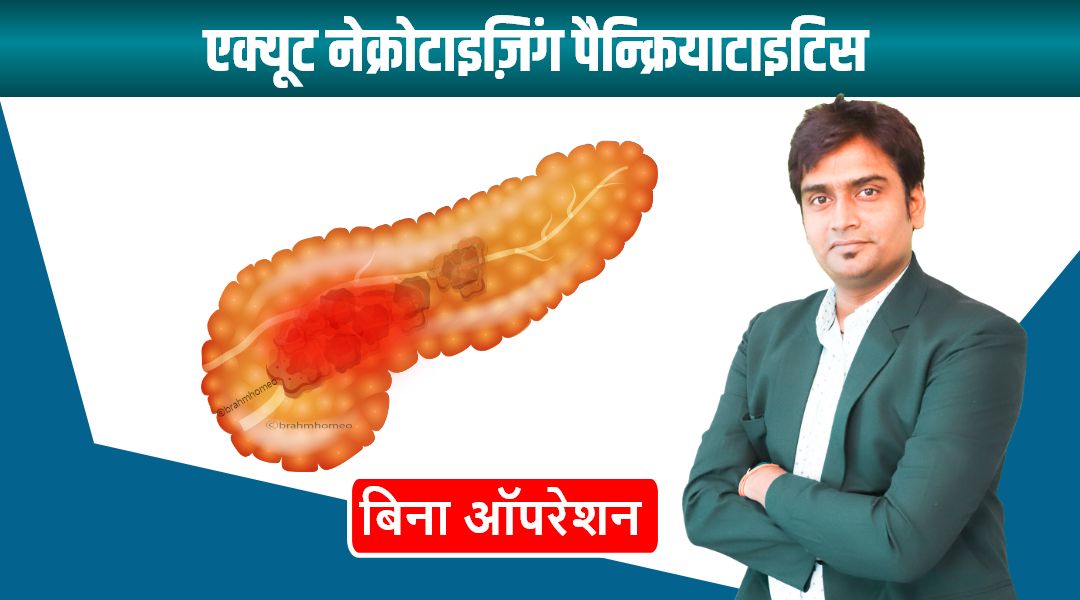
Acute Necrotizing pancreas treatment in hindi
तीव्र नेक्रोटाइज़िंग अग्नाशयशोथ ?
आक्रामक अंतःशिरा द्रव पुनर्जीवन, दर्द प्रबंधन, और आंत्र भोजन की जल्द से जल्द संभव शुरुआत उपचार के मुख्य घटक हैं। जबकि उपरोक्त सावधानियों से बाँझ परिगलन में सुधार हो सकता है, संक्रमित परिगलन के लिए अतिरिक्त उपचार की आवश्यकता होती है।
तीव्र नेक्रोटाइज़िंग अग्नाशयशोथ के लक्षण ? - बुखार - फूला हुआ पेट - मतली और दस्त तीव्र नेक्रोटाइज़िंग अग्नाशयशोथ के कारण ?
- अग्न्याशय में चोट - उच्च रक्त कैल्शियम स्तर और रक्त वसा सांद्रता
ऐसी स्थितियाँ जो अग्न्याशय को प्रभावित करती हैं और आपके परिवार में चलती रहती हैं, उनमें सिस्टिक फाइब्रोसिस और अन्य आनुवंशिक विकार शामिल हैं जिनके परिणामस्वरूप बार-बार अग्नाशयशोथ होता है|
क्या एक्यूट नेक्रोटाइज़िंग पैंक्रिएटाइटिस का इलाज होम्योपैथी से संभव है ?
हां, होम्योपैथिक उपचार चुनकर एक्यूट नेक्रोटाइज़िंग पैन्क्रियाटाइटिस का इलाज संभव है। होम्योपैथिक उपचार चुनने से आपको इन दवाओं का कोई साइड इफेक्ट नहीं होगा और यह समस्या को जड़ से खत्म कर देता है, इसीलिए आपको अपने एक्यूट नेक्रोटाइज़िंग पैन्क्रियाटाइटिस के इलाज के लिए होम्योपैथिक उपचार का ही चयन करना चाहिए।
आप तीव्र नेक्रोटाइज़िंग अग्नाशयशोथ से कैसे छुटकारा पा सकते हैं ?
शुरुआती चरण में सर्वोत्तम उपचार चुनने से आपको एक्यूट नेक्रोटाइज़िंग पैन्क्रियाटाइटिस से छुटकारा मिल जाएगा। होम्योपैथिक उपचार का चयन करके, ब्रह्म होम्योपैथी आपको एक्यूट नेक्रोटाइज़िंग पैन्क्रियाटाइटिस के लिए सबसे विश्वसनीय उपचार देना सुनिश्चित करता है। एक्यूट नेक्रोटाइज़िंग पैन्क्रियाटाइटिस के लिए होम्योपैथिक उपचार सबसे अच्छा इलाज है। जैसे ही आप एक्यूट नेक्रोटाइज़िंग पैन्क्रियाटाइटिस को ठीक करने के लिए अपना उपचार शुरू करेंगे, आपको निश्चित परिणाम मिलेंगे।
होम्योपैथिक उपचार से तीव्र नेक्रोटाइज़िंग अग्नाशयशोथ का इलाज संभव है। आप कितने समय से बीमारी से पीड़ित हैं, इसका उपचार योजना पर बहुत प्रभाव पड़ता है। इससे कोई फर्क नहीं पड़ता कि आप कब से अपनी बीमारी से पीड़ित हैं, या तो हाल ही में या कई वर्षों से - हमारे पास सब कुछ ठीक है, लेकिन बीमारी के शुरुआती चरण में, आप तेजी से ठीक हो जाएंगे। पुरानी स्थितियों के लिए या बाद के चरण में या कई वर्षों की पीड़ा के मामले में, इसे ठीक होने में अधिक समय लगेगा। बुद्धिमान व्यक्ति हमेशा इस बीमारी के किसी भी लक्षण को देखते ही तुरंत इलाज शुरू कर देते हैं, इसलिए जैसे ही आपमें कोई असामान्यता दिखे तो तुरंत हमसे संपर्क करें।
ब्रह्म होम्योपैथिक हीलिंग एवं रिसर्च सेंटर की उपचार योजना
ब्रह्म अनुसंधान आधारित, चिकित्सकीय रूप से प्रमाणित, वैज्ञानिक उपचार मॉड्यूल इस बीमारी को ठीक करने में बहुत प्रभावी है। हमारे पास सुयोग्य डॉक्टरों की एक टीम है जो आपके मामले का व्यवस्थित रूप से निरीक्षण और विश्लेषण करती है, रोग की प्रगति के साथ-साथ सभी संकेतों और लक्षणों को रिकॉर्ड करती है, इसकी प्रगति के चरणों, पूर्वानुमान और इसकी जटिलताओं को समझती है। उसके बाद वे आपको आपकी बीमारी के बारे में विस्तार से बताते हैं, आपको उचित आहार चार्ट [क्या खाएं या क्या न खाएं], व्यायाम योजना, जीवन शैली योजना प्रदान करते हैं और कई अन्य कारकों के बारे में मार्गदर्शन करते हैं जो व्यवस्थित प्रबंधन के साथ आपकी सामान्य स्वास्थ्य स्थिति में सुधार कर सकते हैं। जब तक यह ठीक न हो जाए तब तक होम्योपैथिक दवाओं से अपनी बीमारी का इलाज करें।
तीव्र नेक्रोटाइज़िंग अग्नाशयशोथ के लिए आहार ?
कुपोषण और पोषण संबंधी कमियों को रोकने के लिए, सामान्य रक्त शर्करा के स्तर को बनाए रखने और मधुमेह, गुर्दे की समस्याओं और पुरानी अग्नाशयशोथ से जुड़ी अन्य स्थितियों को रोकने या बेहतर ढंग से प्रबंधित करने के लिए, अग्नाशयशोथ की तीव्र घटना से बचना महत्वपूर्ण है।
यदि आप एक स्वस्थ आहार योजना की तलाश में हैं, तो ब्रह्म होम्योपैथी से संपर्क करें। हमारे विशेषज्ञ आपकी व्यक्तिगत आवश्यकताओं के अनुरूप एक योजना बनाने में आपकी सहायता कर सकते हैं
Pancreatitis treatment in hindi
पैंक्रियाटाइटिस ?
जब पैंक्रियाटाइटिसमें सूजन और संक्रमण हो जाता है तो इससे पैंक्रिअटिटिस नामक रोग हो जाता है। पैंक्रियास एक लंबा, चपटा अंग है जो पेट के पीछे पेट के शीर्ष पर छिपा होता है। पैंक्रिअटिटिस उत्तेजनाओं और हार्मोन का उत्पादन करके पाचन में मदद करता है जो आपके शरीर में ग्लूकोज के प्रसंस्करण को विनियमित करने में मदद करते हैं।
पैंक्रियाटाइटिस के लक्षण:
-पेट के ऊपरी भाग में दर्द होना। -बेकार वजन घटाना. -पेट का ख़राब होना.
-शरीर का असामान्य रूप से उच्च तापमान। -पेट को छूने पर दर्द होना। -तेज़ दिल की धड़कन. -हाइपरटोनिक निर्जलीकरण.
पैंक्रियाटाइटिस के कारण:
-पित्ताशय में पथरी. -भारी शराब का सेवन.
-भारी खुराक वाली दवाएँ। -हार्मोन का असंतुलन. -रक्त में वसा जो ट्राइग्लिसराइड्स का कारण बनता है। -आनुवंशिकता की स्थितियाँ. -पेट में सूजन ।
क्या होम्योपैथी पैंक्रियाटाइटिस को ठीक कर सकती है?
हाँ, होम्योपैथीपैंक्रियाटाइटिसको ठीक कर सकती है। ब्रह्म होम्योपैथी आपको पैंक्रिअटिटिस के लिए सबसे भरोसेमंद उपचार देना सुनिश्चित करती है।
पैंक्रियाटाइटिस के लिए सबसे अच्छा उपचार क्या है?
यदि पैंक्रियाज अच्छी तरह से काम नहीं कर रहा है तो होम्योपैथिक उपचार वास्तव में बेहतर होने में मदद करने का एक अच्छा तरीका है। जब आप उपचार शुरू करते हैं, तो आप जल्दी परिणाम देखेंगे। बहुत सारे लोग इस इलाज के लिए ब्रह्म होम्योपैथी जा रहे हैं और वे वास्तव में अच्छा कर रहे हैं। ब्रह्म होम्योपैथी आपके पैंक्रियाज के को बेहतर बनाने में मदद करने के लिए आपको सबसे तेज़ और सुरक्षित तरीका प्रदान करना सुनिश्चित करती है।
ब्रह्म होम्योपैथिक हीलिंग एंड रिसर्च सेंटर की उपचार योजना
बीमार होने पर लोगों को बेहतर महसूस कराने में मदद करने के लिए हमारे पास एक विशेष तरीका है। हमारे पास वास्तव में स्मार्ट डॉक्टर हैं जो ध्यान से देखते हैं और नोट करते हैं कि बीमारी व्यक्ति को कैसे प्रभावित कर रही है। फिर, वे सलाह देते हैं कि क्या खाना चाहिए, व्यायाम करना चाहिए और स्वस्थ जीवन कैसे जीना चाहिए। वे व्यक्ति को ठीक होने में मदद करने के लिए विशेष दवा भी देते हैं। यह तरीका कारगर साबित हुआ है!
Tips

Anemia ka sahi ilaj kya hai?
१) एनीमिया (खून की कमी) का इलाज?
एनीमिया ऐसी स्थिति है, जिस में शरीर में लाल रक्त कोशिकाओं या हीमोग्लोबिन की मात्रा सामान्य से कम हो जाती है। हीमोग्लोबिन शरीर के सब भाग में ऑक्सीजन पहुंचाने का काम करता है। इसकी कमी हो जाती है, व्यक्ति को कमजोरी, सांस फूलने जैसी समस्याएं होने लगती हैं।
- महिलाओं, बच्चों तथा गर्भवती महिलाओं में एनीमिया की समस्या आम बात है। सही समय पर पहचान और उचित इलाज से इसे आसानी से नियंत्रित किया जा सकता है।
२)एनीमिया होने के कारण?
एनीमिया कई कारणों से हो सकता है, जिनमें प्रमुख हैं: - आयरन की कमी - विटामिन B12 या फोलिक एसिड की कमी
- अत्यधिक रक्तस्राव (जैसे मासिक धर्म या चोट)
- गर्भावस्था के दौरान पोषण की कमी
- किडनी या लीवर की कुछ बीमारियां
- थैलेसीमिया या सिकल सेल एनीमिया जैसी आनुवंशिक बीमारियां
- लंबे समय तक खराब खान-पान
३) एनीमिया के लक्षण?
यदि शरीर में खून की कमी हो जाए तो निम्नलिखित लक्षण दिखाई दे सकते हैं:
- हमेशा थकान महसूस होना - शरीर में कमजोरी - चक्कर आना - सिरदर्द - सांस फूलना - दिल की धड़कन तेज होना - त्वचा का पीला पड़ना - हाथ-पैर ठंडे रहना
- ध्यान लगाने में कठिनाई - नाखून कमजोर होना
४) एनीमिया का इलाज?
# 1. आयरन युक्त आहार लें - यदि एनीमिया आयरन की कमी के कारण है, तो अपने भोजन में आयरन से भरपूर चीजें शामिल करें: पालक , मेथी, चुकंदर,अनार, गुड़, किशमिश, खजूर, सोयाबीन, चना, राजमा
# 2. विटामिन C का सेवन करें - विटामिन C शरीर में आयरन के अवशोषण (Absorption) को बढ़ाता है।
संतरा, नींबू, आंवला,अमरूद, टमाटर #3. आयरन की दवाएं - यदि डॉक्टर सलाह दें, तो आयरन की गोलियां या सिरप नियमित रूप से लें। # 4. विटामिन B12 और फोलिक एसिड
५) एनीमिया से बचाव कैसे करें?
- संतुलित और पौष्टिक भोजन करें। - रोज हरी पत्तेदार सब्जियां खाएं।
- नियमित स्वास्थ्य जांच करवाएं। - गर्भावस्था के दौरान डॉक्टर द्वारा दी गई आयरन और फोलिक एसिड की गोलियां समय पर लें।
- अधिक चाय और कॉफी भोजन के तुरंत बाद न पिएं, क्योंकि ये आयरन के अवशोषण को कम कर सकती हैं। - बच्चों और महिलाओं को विशेष रूप से पोषण पर ध्यान देना चाहिए।
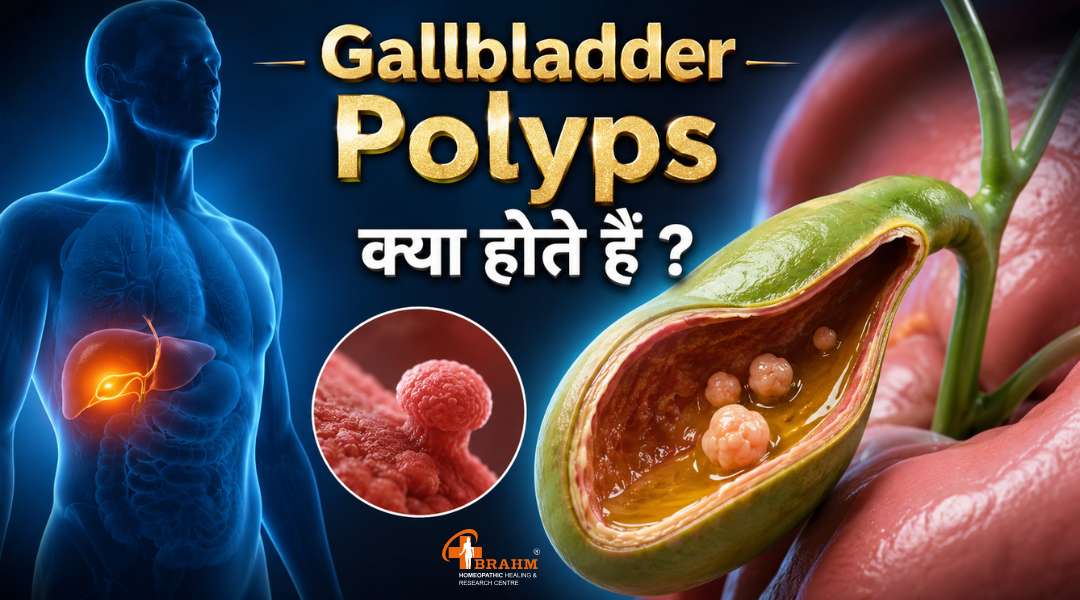
Gallbladder Polyps kya hota hai?
१) Gallbladder Polyps क्या होते हैं
पित्ताशय की गांठें पित्ताशय की अंदरूनी दीवार पर बन ने वाली छोटी-छोटी उभरी हुई गांठें होती हैं। अधिकांश Gallbladder Polyps कैंसर नहीं होते और किसी प्रकार की गंभीर समस्या पैदा नहीं करते। - कई बार इनका पता केवल अल्ट्रासाउंड जांच के दौरान चलता है। हालांकि, यदि पॉलिप का आकार बड़ा हो या तेजी से बढ़ रहा हो, तो यह भविष्य में कैंसर का खतरा बढ़ा सकता है।
२) Gallbladder Polyps के कारण
Gallbladder Polyps बनने के पीछे कई कारण हो सकते हैं, जैसे की, - शरीर में अधिक कोलेस्ट्रॉल जमा होना। - पित्ताशय में लंबे समय तक सूजन
- मोटापा।- फैटी लिवर। - बढ़ता हुआ वजन। - मधुमेह (Diabetes)। - उम्र बढ़ना। - आनुवंशिक कारण।
३) Gallbladder Polyps के लक्षण
अधिकांश लोगों में Gallbladder Polyps के कोई लक्षण नहीं होते। लेकिन कुछ मामलों में निम्न समस्याएं दिखाई दे सकती हैं - पेट के दाईं ओर दर्द।
- भोजन के बाद भारीपन महसूस होना। - गैस और अपच। - मतली या उल्टी। - पेट फूलना। - तैलीय भोजन खाने पर दर्द बढ़ना। - कभी-कभी बुखार यदि संक्रमण हो। यदि पॉलिप बड़ा हो जाए या पित्त नली में रुकावट पैदा करे, तो दर्द अधिक हो सकता है।
४) Gallbladder Polyps की जांच
डॉ. निम्न जांच कराने की सलाह दे सकते हैं, की, - Ultrasound सबसे सामान्य और पहली जांच। - CT Scan - MRI Scan- Blood Tests
५) Gallbladder Polyps में क्या खाना चाहिए
- हरी सब्जियां। - ताजे फल। - ओट्स और साबुत अनाज। - दालें। - कम वसा वाला दूध। - पर्याप्त पानी। - फाइबर युक्त भोजन।
# इन चीजों से बचें#
- तला हुआ भोजन। - अधिक तेल और घी। - फास्ट फूड। - ज्यादा मसालेदार खाना। - अधिक मिठाई। - कोल्ड ड्रिंक। - शराब।
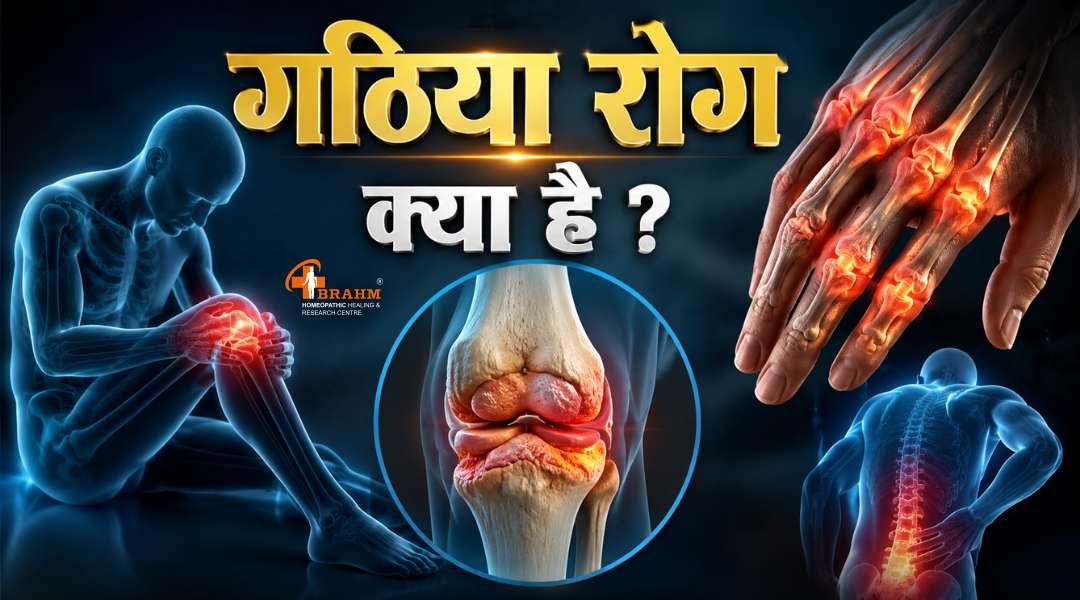
gathiya rog kya hai? homeopathy me ilaj?
१) गठिया रोग क्या है
गठिया कोई बीमारी नहीं है, बल्कि 100 से अधिक प्रकार की जोड़ों से जुड़ी बीमारियों का समूह है। इनमें सबसे सामान्य प्रकार हैं
- ऑस्टियोआर्थराइटिस - रूमेटॉइड आर्थराइटिस
- गाउट
- सोरियाटिक आर्थराइटिस
२) गठिया रोग के कारण
गठिया होने के कई कारण हो सकते हैं, जैसे - बढ़ती उम्र
- जोड़ों का अधिक घिस जाना
- मोटापा
- आनुवंशिक कारण - शरीर में यूरिक एसिड का बढ़ना
- ऑटोइम्यून रोग - पुराने जोड़ों की चोट
३) गठिया रोग के लक्षण
यदि ऐसे लक्षण दिखाई दें तो,
- जोड़ों में लगातार दर्द - जोड़ों में सूजन -सुबह उठने पर अकड़न - चलने-फिरने में कठिनाई
- जोड़ों को मोड़ने में परेशानी
- लालिमा और गर्माहट - कमजोरी और थकान
४) गठिया रोग का इलाज
# 1. दवा - डॉ. दर्द और सूजन कम करने के लिए दवाइयाँ लिख सकते हैं। रूमेटॉइड आर्थराइटिस जैसी स्थितियों में रोग की प्रगति को नियंत्रित करने वाली विशेष दवाइयाँ भी दी जाती हैं।
# 2. फिजियोथेरेपी
- फिजियोथेरेपी से जोड़ों की लचक बढ़ती है, दर्द कम होता है और मांसपेशियाँ मजबूत होती हैं। # 3. नियमित व्यायाम # 4. वजन नियंत्रित रखें - अधिक वजन होने से घुटनों और अन्य जोड़ों पर अतिरिक्त दबाव पड़ता है।
५) गठिया रोग में क्या खाएं
- हरी पत्तेदार सब्जियाँ - मौसमी फल - दालें और साबुत अनाज - लो-फैट डेयरी उत्पाद - पर्याप्त मात्रा में पानी
#गठिया रोग से बचाव- वजन नियंत्रित रखें।
- संतुलित भोजन करें। -पर्याप्त नींद लें। - धूम्रपान और शराब से बचें। - समय-समय पर स्वास्थ्य जांच करवाएं।
Testimonials
body weakness treatment
ब्रह्म होम्योपैथी से 10 महीने में चमत्कारी इलाज: एक मरीज की कहानी
आज के समय में जब लोग तरह-तरह की बीमारियों से जूझ रहे हैं, तब होम्योपैथी चिकित्सा कई मरीजों के लिए आशा की किरण बन रही है। ऐसी ही एक प्रेरणादायक कहानी है एक मरीज की, जिसने ब्रह्म होम्योपैथी के माध्यम से 10 महीने में अपनी बीमारी से निजात पाई।
शुरुआत में थी थकान और शरीर में भारीपन
मरीज ने बताया, "मुझे कई दिनों से शरीर में थकान, भारीपन और बेचैनी महसूस हो रही थी। यह परेशानी धीरे-धीरे इतनी बढ़ गई कि रोजमर्रा के काम भी कठिन लगने लगे। मेरी माँ पहले से ही ब्रह्म होम्योपैथी क्लीनिक में इलाज करा रही थीं। उन्होंने बताया कि उन्हें वेरीकोज वेन्स की समस्या थी और यहाँ के इलाज से उन्हें बहुत लाभ हुआ था। उनकी सलाह पर मैं भी यहाँ आया।"
होम्योपैथी इलाज का असर मात्र एक सप्ताह में
मरीज के अनुसार, "जब मैंने ब्रह्म होम्योपैथी में डॉक्टर प्रदीप कुशवाहा से परामर्श लिया और उनकी सलाह के अनुसार दवाएं लेना शुरू किया, तो सिर्फ एक हफ्ते के भीतर ही मुझे सुधार महसूस होने लगा। मेरी थकान कम हो गई, शरीर की ऊर्जा बढ़ने लगी और पहले की तुलना में मैं ज्यादा सक्रिय महसूस करने लगा।"
लगातार 10 महीने तक किया उपचार, मिली पूरी राहत
मरीज ने लगातार 10 महीने तक ब्रह्म होम्योपैथी की दवाएं लीं और सभी निर्देशों का पालन किया। उन्होंने कहा, "लगभग 15 दिनों के अंदर ही मेरी स्थिति में काफी सुधार हुआ और अब 10 महीने बाद मैं पूरी तरह स्वस्थ महसूस कर रहा हूँ। यह सब डॉक्टर प्रदीप कुशवाहा और ब्रह्म होम्योपैथी की दवाओं की वजह से संभव हुआ।"
होम्योपैथी: सभी बीमारियों के लिए वरदान
मरीज ने आगे कहा, "इस क्लिनिक का माहौल बहुत अच्छा है और इलाज का तरीका बेहद प्रभावी है। यहाँ की दवाएँ बहुत असरदार हैं और मुझे इनके इस्तेमाल से कोई साइड इफेक्ट भी नहीं हुआ। यह सच में होम्योपैथी का सबसे बेहतरीन केंद्र है। मैं सभी मरीजों से अनुरोध करूंगा कि अगर वे किसी पुरानी बीमारी से परेशान हैं, तो एक बार ब्रह्म होम्योपैथी का इलाज जरूर लें। यह एक बीमार मरीजों के लिए किसी स्वर्ग से कम नहीं है।"
निष्कर्ष
इस मरीज की कहानी यह साबित करती है कि सही चिकित्सा और सही मार्गदर्शन से कोई भी बीमारी ठीक हो सकती है। ब्रह्म होम्योपैथी में न केवल आधुनिक चिकित्सा पद्धति का समावेश है, बल्कि यहाँ मरीजों की समस्याओं को गहराई से समझकर उनका संपूर्ण इलाज किया जाता है। यदि आप भी किसी स्वास्थ्य समस्या से जूझ रहे हैं, तो ब्रह्म होम्योपैथी एक बेहतरीन विकल्प हो सकता है।

acute pancreatitis ka ilaaj
ब्रह्म होम्योपैथी: एक मरीज की जीवन बदलने वाली कहानी
एक्यूट पैन्क्रियाटाइटिस: एक गंभीर समस्या
एक्यूट पैन्क्रियाटाइटिस एक ऐसी स्थिति है जिसमें अग्न्याशय में तीव्र सूजन हो जाती है। जब यह समस्या उत्पन्न होती है, तो मरीज को शुरुआत में इसकी जानकारी नहीं होती, लेकिन दर्द इतना असहनीय होता है कि उसे तुरंत अस्पताल में भर्ती होने की आवश्यकता पड़ती है। इस स्थिति का मुख्य कारण अनुचित जीवनशैली, जंक फूड, शराब का सेवन, ऑटोइम्यून बीमारियां, कुछ रसायन और विकिरण हो सकते हैं। यदि समय रहते सही इलाज नहीं किया गया, तो यह स्थिति क्रॉनिक पैन्क्रियाटाइटिस में बदल सकती है।
अमन बाजपेई की प्रेरणादायक यात्रा
मैं, अमन बाजपेई, पिछले 1.5 वर्षों से एक्यूट पैन्क्रियाटाइटिस का मरीज था। यह समय मेरे लिए बेहद कठिन था। मैं बहुत परेशान था, खाना खाने तक के लिए तरस गया था। पिछले 7-8 महीनों में मैंने रोटी तक नहीं खाई, केवल खिचड़ी और फल खाकर गुजारा कर रहा था। बार-बार मुझे इस बीमारी के हमले झेलने पड़ रहे थे। हर 5-10 दिनों में दवा लेनी पड़ती थी, लेकिन कोई लाभ नहीं हो रहा था।
इस बीमारी के इलाज में मैंने 6-7 लाख रुपये खर्च कर दिए। दिल्ली और झांसी समेत कई बड़े अस्पतालों में इलाज कराया, लेकिन कोई राहत नहीं मिली। मेरा वजन 95 किलो से घटकर 55 किलो हो गया और मैं बहुत कमजोर हो गया था। तभी मुझे सोशल मीडिया के माध्यम से ब्रह्म होम्योपैथी के बारे में पता चला।
ब्रह्म होम्योपैथी: उम्मीद की एक नई किरण
ब्रह्म होम्योपैथी वह जगह है जहां कम खर्च में उत्कृष्ट इलाज संभव है। मैंने आज तक किसी भी डॉक्टर या अस्पताल में इतना अच्छा व्यवहार नहीं देखा। डॉ. प्रदीप कुशवाहा सर ने मुझे एक नई जिंदगी दी। पहले मुझे लगा था कि मैं शायद कभी ठीक नहीं हो पाऊंगा, लेकिन आज मैं पूरी तरह स्वस्थ हूं।
मैं सभी मरीजों को यही सलाह दूंगा कि वे पैसे की बर्बादी न करें और सही इलाज के लिए ब्रह्म होम्योपैथी जाएं। यह भारत में एक्यूट पैन्क्रियाटाइटिस के लिए सबसे अच्छा अस्पताल है। मेरे लिए डॉ. प्रदीप कुशवाहा किसी देवता से कम नहीं हैं।
वैज्ञानिक रूप से प्रमाणित उपचार पद्धति
ब्रह्म होम्योपैथी के विशेषज्ञों ने शोध आधारित एक विशेष उपचार पद्धति विकसित की है, जिससे न केवल लक्षणों में सुधार होता है बल्कि बीमारी को जड़ से ठीक किया जाता है। हजारों मरीज इस उपचार का लाभ ले रहे हैं और उनकी मेडिकल रिपोर्ट में भी उल्लेखनीय सुधार देखा गया है।
यदि आप भी इस बीमारी से जूझ रहे हैं और सही इलाज की तलाश कर रहे हैं, तो ब्रह्म होम्योपैथी से संपर्क करें। यह न केवल बीमारी को बढ़ने से रोकता है बल्कि इसे जड़ से ठीक भी करता है।
urticaria ka ilaaj
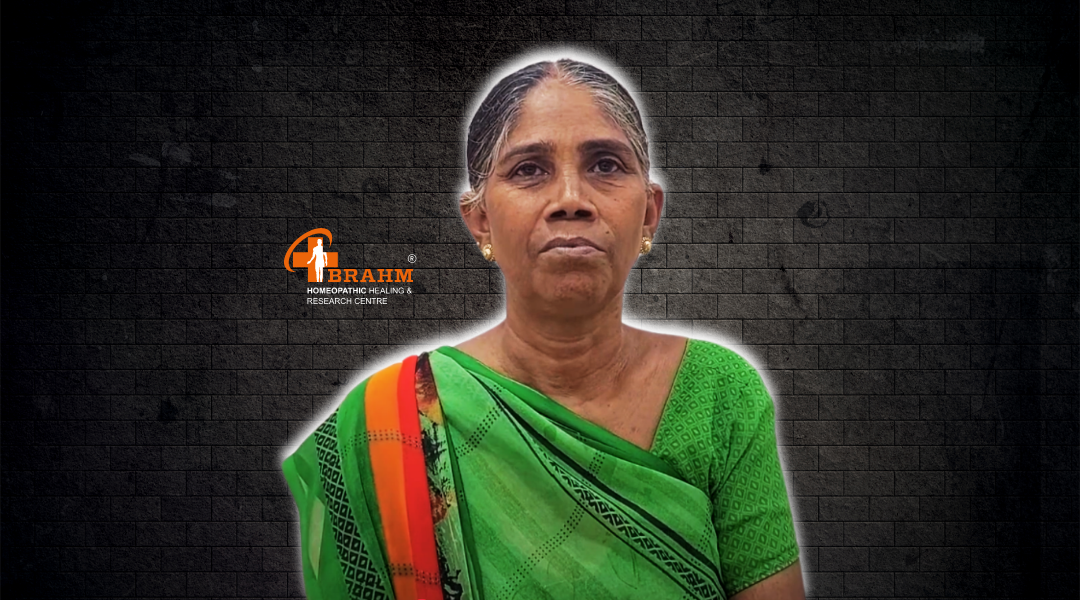
रेणुका बहन श्रीमाली की प्रेरणादायक कहानी: 10 साल की तकलीफ से छुटकारारेणुका बहन श्रीमाली पिछले 10 वर्षों से एक गंभीर समस्या से जूझ रही थीं। उन्हें जब भी कुछ खाने की कोशिश करतीं, उनका शरीर फूल जाता था और अत्यधिक खुजली होने लगती थी। इस समस्या के कारण वे बहुत परेशान थीं और 10 वर्षों तक कुछ भी सही तरीके से नहीं खा पाती थीं। उन्होंने कई जगहों पर इलाज कराया, लेकिन कोई भी उपचार कारगर नहीं हुआ।
ब्रह्म होम्योपैथिक रिसर्च सेंटर से नई उम्मीदआखिरकार, 17 मई 2021 को उन्होंने ब्रह्म होम्योपैथिक रिसर्च सेंटर में अपना ट्रीटमेंट शुरू किया। पहले से निराश हो चुकीं रेणुका बहन के लिए यह एक नई उम्मीद की किरण थी।एक साल में चमत्कारी सुधारट्रीटमेंट शुरू करने के बाद, धीरे-धीरे उनके स्वास्थ्य में सुधार होने लगा। एक साल के भीतर उन्होंने अपने आहार में वे सभी चीजें फिर से शुरू कर दीं, जिन्हें वे पहले नहीं खा पाती थीं। पहले जहाँ कोई भी चीज खाने से उनका शरीर फूल जाता था और खुजली होती थी, वहीं अब वे बिना किसी परेशानी के सामान्य जीवन जी रही हैं।ब्रह्म होम्योपैथिक रिसर्च सेंटर का योगदान
रेणुका बहन का कहना है कि यह इलाज उनके लिए किसी चमत्कार से कम नहीं था। उन्होंने अपनी पुरानी जीवनशैली को फिर से अपनाया और अब वे पूरी तरह से स्वस्थ महसूस कर रही हैं। उनके अनुसार, ब्रह्म होम्योपैथिक रिसर्च सेंटर में इलाज का असर तुरंत दिखने लगता है और दवाइयाँ भी पूरी तरह से प्रभावी होती हैं।
अन्य समस्याओं के लिए भी कारगर
इस रिसर्च सेंटर में सिर्फ एलर्जी ही नहीं, बल्कि स्पॉन्डिलाइटिस, पीसीओडी जैसी कई अन्य बीमारियों का भी सफलतापूर्वक इलाज किया जाता है। रेणुका बहन जैसी कई अन्य मरीजों को भी यहाँ से सकारात्मक परिणाम मिले हैं।
रेणुका बहन का संदेश
रेणुका बहन उन सभी लोगों को धन्यवाद देती हैं जिन्होंने उनके इलाज में मदद की। वे यह संदेश देना चाहती हैं कि यदि कोई भी व्यक्ति किसी पुरानी बीमारी से परेशान है और अब तक उसे कोई समाधान नहीं मिला है, तो उन्हें ब्रह्म होम्योपैथिक रिसर्च सेंटर में एक बार अवश्य आना चाहिए।
"यहाँ इलाज प्रभावी, सुरक्षित और प्राकृतिक तरीके से किया जाता है। मैं इस सेंटर के प्रति आभार व्यक्त करती हूँ, जिसने मुझे 10 साल पुरानी तकलीफ से राहत दिलाई।"
अगर आप भी किसी स्वास्थ्य समस्या से जूझ रहे हैं और समाधान की तलाश में हैं, तो इस होम्योपैथिक उपचार को आज़मा सकते हैं।
Departments
brahm homeopathy medicine tracking details
ब्रह्म होम्योपैथी मेडिसिन ट्रैकिंग कैसे करें?
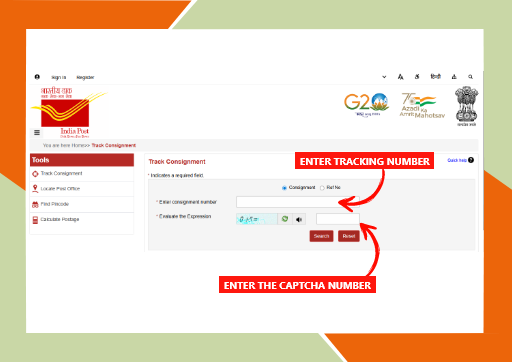
अगर आपने ब्रह्म होम्योपैथी से दवा ऑर्डर की है और आप उसकी डिलीवरी की स्थिति जानना चाहते हैं, तो आप आसानी से इंडिया पोस्ट की वेबसाइट पर जाकर अपनी दवा को ट्रैक कर सकते हैं।
- ब्रह्म होम्योपैथी अधिकतर दवाएं भारत सरकार की इंडिया पोस्ट सेवा के माध्यम से भेजता है, जिसमें हर पार्सल का एक यूनिक ट्रैकिंग नंबर होता है।
Brahm Homeopathy Medicine Tracking Details.
- ट्रैकिंग के लिए सबसे पहले India Post की वेबसाइट पर जाएं। वहां “Track Consignment” विकल्प पर क्लिक करें। इसके बाद स्क्रीन पर दिख रही जगह पर अपना ट्रैकिंग नंबर डालें जो आपको ब्रह्म होम्योपैथी से SMS या Email के माध्यम से मिला होगा। - फिर स्क्रीन पर दिखाई दे रही कैप्चा कोड को सही-सही भरें और “Search” बटन पर क्लिक करें।
- इसके बाद आपको आपकी दवा का पूरा स्टेटस दिखेगा – जैसे कि पार्सल कहां पहुंचा है, कब डिलीवर होगा आदि। यह प्रक्रिया सरल है और घर बैठे आप अपने ऑर्डर की जानकारी आसानी से प्राप्त कर सकते हैं।
इस प्रकार, ब्रह्म होम्योपैथी की ट्रैकिंग सुविधा पारदर्शिता और भरोसेमंद सेवा का परिचायक है।
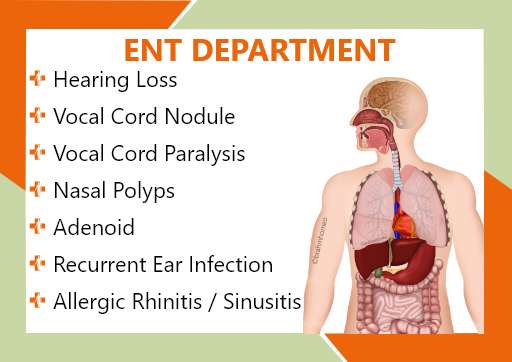
ENT DEPARTMENT
Hearing Loss, Vocal Cord Nodule, Vocal Cord Paralysis, Nasal Polip, Adenoid, Recurrent ear infection, Allergic Rhinitis/Sinusitis
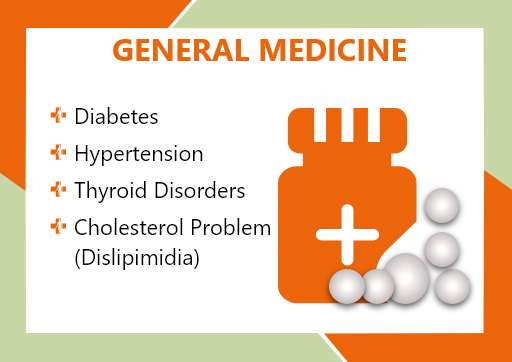
GENERAL MEDICINE
Diabetes
Hypertension
Thyroid Disorders
Cholesterol problem (Dislipimidia)
Diseases
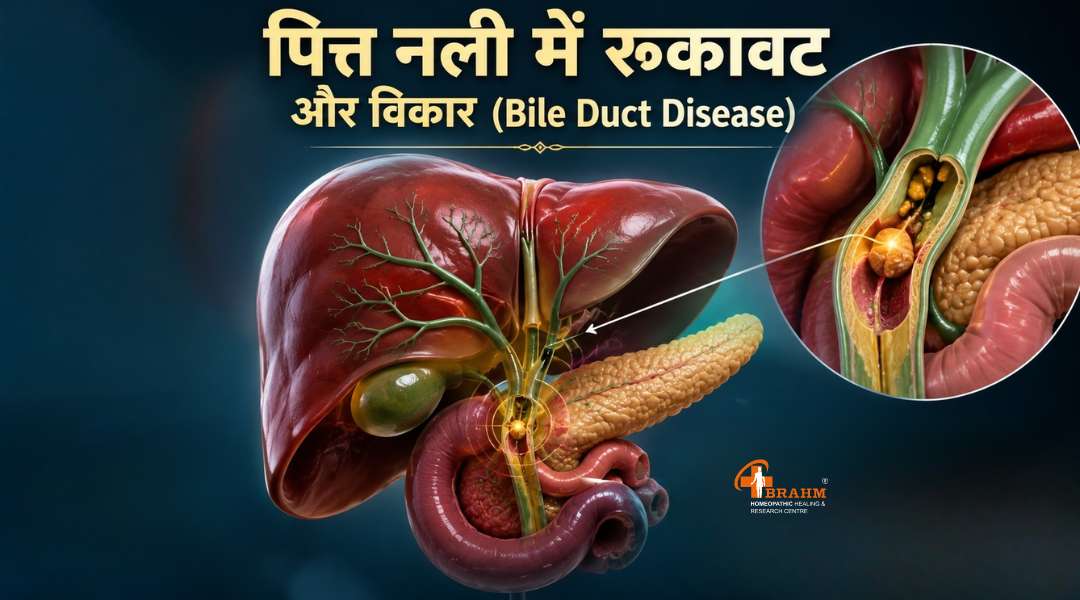
Common Bile Duct Obstruction treatment in homeopathy
पित्त नली में रुकावट और विकार पित्त नली क्या है और यह बीमारी क्यों महत्वपूर्ण है?हमारे शरीर में पाचन तंत्र कई अंगों से मिलकर बना होता है। इनमें से एक महत्वपूर्ण हिस्सा है पित्त नली, जिसे अंग्रेजी में Bile Duct कहते हैं। - यह पतली नलिका होती है, जो लीवर , पित्ताशय से पित्त रस को छोटी आंत तक पहुंचाने का कार्य करती है। पित्त रस भोजन में रहे हुए वसा को पचाने में मदद करता है।जब इस नली में किसी कारण से रुकावट आ जाती है या इसमें कोई विकार उत्पन्न होता है, तो पाचन क्रिया प्रभावित हो सकती है और शरीर में कई तरह की समस्याएं उत्पन्न हो सकती हैं। पित्त नली की बीमारी लीवर, पित्ताशय और अग्नाशय (Pancreas) तीनों को प्रभावित कर सकती है।यह समस्या किसी भी उम्र में हो सकती है, लेकिन कुछ मामलों में 40 वर्ष से अधिक उम्र के लोगों में, महिलाओं में, और जिन लोगों को पहले से पित्त की पथरी (Gallstones) की समस्या हो, उनमें इसकी संभावना अधिक देखी जा सकती है।बीमारी के प्रकार?पित्त नली से संबंधित कई प्रकार की समस्याएं हो सकती हैं:1. पित्त नली में रुकावट (Bile Duct Obstruction)यह सबसे सामान्य स्थिति है जिसमें पित्त का बहाव किसी कारण से रुक जाता है। इससे पित्त लीवर में वापस जमा होने लगता है।2. प्राथमिक स्क्लेरोजिंग कोलेंजाइटिस (PSC)यह एक दीर्घकालिक बीमारी है जिसमें पित्त नलियों में धीरे-धीरे सूजन और कठोरता आ सकती है। कुछ मामलों में यह ऑटोइम्यून कारणों से जुड़ी हो सकती है।3. कोलेंजाइटिस (Cholangitis)पित्त नली में संक्रमण के कारण होने वाली सूजन को कोलेंजाइटिस कहते हैं।4. पित्त नली का कैंसर (Cholangiocarcinoma)यह एक दुर्लभ लेकिन गंभीर स्थिति है जिसमें पित्त नली में कैंसर कोशिकाएं विकसित हो सकती हैं।5. जन्मजात विकार (Biliary Atresia)कुछ शिशुओं में जन्म से ही पित्त नलियां ठीक से विकसित नहीं होतीं, जिसे Biliary Atresia कहा जाता है।
संभावित कारण?- पित्त नली की समस्याओं के कई संभावित कारण हो सकते हैं। यह कारण सभी लोगों में समान नहीं होते।- पित्त की पथरी: कुछ मामलों में पित्ताशय की पथरी खिसककर पित्त नली में आ जाती है जिससे रुकावट की संभावना हो सकती है।- संक्रमण: कुछ बैक्टीरियल या परजीवी संक्रमण पित्त नली को प्रभावित कर सकते हैं।- ऑटोइम्यून कारण: कुछ लोगों में शरीर की रोग प्रतिरोधक प्रणाली पित्त नलियों पर ही हमला कर सकती है, जिससे सूजन हो सकती है।- आसपास के अंगों का दबाव: अग्नाशय या लीवर में किसी गांठ या सूजन से भी पित्त नली पर दबाव पड़ सकता है।- जीवनशैली कारक: अत्यधिक वसायुक्त भोजन, मोटापा, और लंबे समय तक अनियमित खानपान कुछ मामलों में पित्त से जुड़ी समस्याओं को बढ़ावा दे सकता है।- आनुवंशिक कारण: कुछ परिवारों में पित्त नली से जुड़ी समस्याएं पीढ़ी दर पीढ़ी देखी जा सकती हैं।- पुरानी सूजन: लंबे समय तक पित्त नलियों में सूजन रहने से नलियां संकरी हो सकती हैं।
लक्षण?#शुरुआती लक्षण- पेट के दाहिने हिस्से में हल्की बेचैनी या भारीपन महसूस हो सकता है।- भूख में कमी का हो जाना - खाने के बाद पेट में असहजता हो सकती है।- थकान,कमजोरी जैसा लगनासामान्य लक्षण?- त्वचा और आंखों का पीला पड़ना (पीलिया) कुछ मामलों में देखा जा सकता है।- मल का रंग सामान्य से हल्का या सफेद जैसा हो सकता है।- पेट में दर्द जो पीठ तक जा सकता है।- त्वचा में खुजली की संभावना हो सकती है।- मतली या उल्टी हो सकती है।गंभीर अवस्था में दिखाई देने वाले लक्षण?- तेज बुखार के साथ ठंड लगना कुछ मामलों में देखा जा सकता है।- भ्रम या चक्कर जैसी स्थिति हो सकती है।- वजन में अचानक कमी आ सकती है।- शरीर में अत्यधिक कमजोरी महसूस हो सकती है।- ध्यान दें: हर व्यक्ति में लक्षण अलग हो सकते हैं। यह आवश्यक नहीं कि उपरोक्त सभी लक्षण एक साथ या हर मरीज में दिखाई दें।निष्कर्षपित्त नली हमारे पाचन तंत्र की एक ऐसी महत्वपूर्ण कड़ी है जिसके बारे में अधिकांश लोग कम जानते हैं। इसीलिए जब इससे जुड़ी समस्याएं उत्पन्न होती हैं, तो लोग अक्सर इन्हें सामान्य पेट की तकलीफ समझकर अनदेखा कर देते हैं।पीलिया, गहरे रंग की पेशाब, पेट में दाहिनी ओर दर्द, या त्वचा में अकारण खुजली जैसे लक्षण यदि लंबे समय तक बने रहें, तो यह शरीर का एक संकेत हो सकता है कि पित्त नली या उससे जुड़े अंगों में कुछ असामान्य हो रहा है। ऐसी स्थिति में किसी योग्य चिकित्सक से समय पर परामर्श लेना महत्वपूर्ण हो सकता है।जितनी जल्दी इस बीमारी को पहचाना जाए, उतना ही बेहतर हो सकता है। डॉक्टर स्थिति के अनुसार मूल्यांकन करते हैं और आगे का मार्गदर्शन देते हैं।
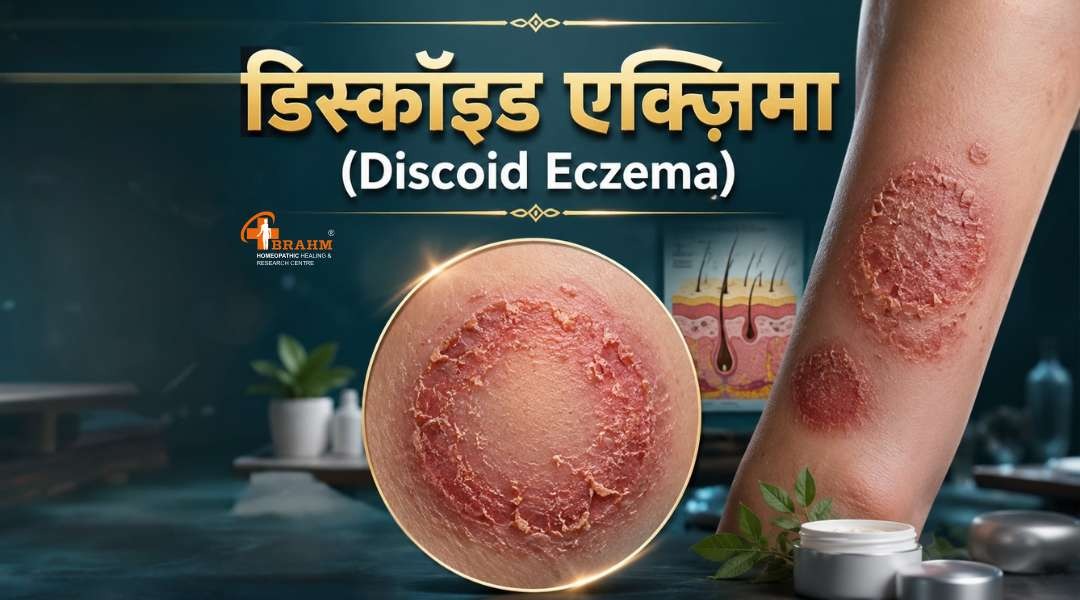
Discoid eczema kya hai?or kse hota hai?
डिस्कॉइड एक्ज़िमा क्या है?डिस्कॉइड एक्ज़िमा त्वचा से जुड़ी एक स्थिति है, जिसमें त्वचा पर गोल या सिक्के के आकार के (coin-shaped) खुजलीदार धब्बे बन जाते हैं। "डिस्कॉइड" शब्द इसी गोल आकार की वजह से इस्तेमाल होता है। इसे न्यूमुलर एक्ज़िमा (Nummular Eczema) के नाम से भी जाना जाता है।यह एक्ज़िमा (Eczema) की ही एक किस्म है, जिसमें त्वचा पर सूजन, लालिमा और खुजली होती है। यह किसी को छूने या संपर्क में आने से नहीं फैलती, यानी यह संक्रामक (contagious) नहीं है। यह शरीर के किसी भी हिस्से पर हो सकती है, लेकिन ज़्यादातर हाथों, पैरों और धड़ पर देखी जाती है।क्या डिस्कॉइड एक्ज़िमा के भी चरण होते हैं?डिस्कॉइड एक्ज़िमा में औपचारिक (official) चरण (stages) नहीं होते, जैसा कि कैंसर या किडनी की बीमारियों में देखा जाता है। हालांकि, इसे इसकी अवस्था और लक्षणों के आधार पर तीन हिस्सों में समझा जा सकता है:1. शुरुआती (एक्यूट) अवस्था इसमें त्वचा पर अचानक लाल, सूजे हुए धब्बे बनते हैं, जिनमें कभी-कभी छोटे-छोटे पानी जैसे दाने (vesicles) भी हो सकते हैं। इस दौरान खुजली और जलन तेज़ हो सकती है।2. रिसाव वाली (वीपिंग) अवस्था कुछ मामलों में धब्बों से हल्का तरल पदार्थ रिसने लगता है, और बाद में यह सूखकर पपड़ी का रूप ले लेता है।3. क्रॉनिक (लंबे समय तक चलने वाली) अवस्था इसमें त्वचा मोटी, सूखी और खुरदरी हो जाती है, और रंग में भी बदलाव आ सकता है। यह अवस्था बार-बार लौट सकती है।यह ध्यान रखना ज़रूरी है कि ये अवस्थाएं मेडिकल रूप से मान्य "स्टेजिंग सिस्टम" नहीं हैं, बल्कि सिर्फ लक्षणों को समझने का एक सरल तरीका हैं।डिस्कॉइड एक्ज़िमा शरीर को कैसे प्रभावित करता है?डिस्कॉइड एक्ज़िमा मुख्य रूप से त्वचा को प्रभावित करता है, लेकिन इसका असर व्यक्ति के जीवन के कई पहलुओं पर पड़ सकता है:त्वचा पर सीधा असर: प्रभावित जगह पर लालिमा, सूजन, खुजली और कभी-कभी दर्द भी महसूस हो सकता है।त्वचा की सुरक्षा परत कमज़ोर होना: बार-बार खुजलाने से त्वचा की ऊपरी परत टूट सकती है, जिससे बैक्टीरिया आसानी से अंदर प्रवेश कर सकते हैं।- नींद में खलल: रात के समय खुजली बढ़ने से नींद पूरी न होना एक आम समस्या है।- मानसिक और भावनात्मक असर: शरीर पर दिखाई देने वाले धब्बों की वजह से कुछ लोगों को शर्मिंदगी या आत्मविश्वास में कमी महसूस हो सकती है।लक्षण और कारण?
डिस्कॉइड एक्ज़िमा के लक्षणडिस्कॉइड एक्ज़िमा के सामान्य लक्षणों में शामिल हैं:- त्वचा पर गोल या सिक्के के आकार के लाल धब्बे- तेज़ खुजली, जो कभी-कभी बहुत परेशान करने वाली हो सकती है- धब्बों पर सूजन और जलन- धब्बों से हल्का तरल पदार्थ रिसना (कुछ मामलों में)- सूखकर पपड़ी बनना-प्रभावित जगह के आसपास की त्वचा का रूखा होना- धब्बों की संख्या एक से लेकर कई तक हो सकती है
डिस्कॉइड एक्ज़िमा किस कारण होता है?डिस्कॉइड एक्ज़िमा का सटीक कारण अभी तक पूरी तरह स्पष्ट नहीं है, लेकिन विशेषज्ञों के अनुसार निम्नलिखित कारक इसमें भूमिका निभा सकते हैं:- रूखी त्वचा (Dry Skin): बहुत ज़्यादा रूखी त्वचा वाले लोगों में यह समस्या अधिक देखी जाती है।- त्वचा में चोट या जलन: कीड़े के काटने, जलने, या किसी छोटी सी चोट के बाद उस जगह पर डिस्कॉइड एक्ज़िमा शुरू हो सकता है।- मौसम में बदलाव: ठंडा और शुष्क मौसम त्वचा को और रूखा बना सकता है, जिससे लक्षण बढ़ सकते हैं।-कुछ रसायनों या पदार्थों के संपर्क में आना: साबुन, डिटर्जेंट, या कठोर केमिकल्स त्वचा को परेशान कर सकते हैं।-इम्यून सिस्टम की प्रतिक्रिया: कुछ मामलों में शरीर की इम्यून सिस्टम त्वचा पर अत्यधिक प्रतिक्रिया देती है, जिससे सूजन होती है।-तनाव (Stress): मानसिक तनाव भी इसे ट्रिगर या बदतर कर सकता है।जोखिम (Risk Factors)?निम्नलिखित कारक डिस्कॉइड एक्ज़िमा होने की संभावना को बढ़ा सकते हैं:- पहले से रूखी या संवेदनशील त्वचा होना- एक्ज़िमा या अन्य त्वचा समस्याओं का पारिवारिक इतिहास- ठंडा, शुष्क वातावरण में रहना- त्वचा पर बार-बार चोट लगना या जलन होना- कुछ दवाइयों का इस्तेमाल जो त्वचा को प्रभावित करती हैं- अत्यधिक तनाव या मानसिक थकान- कठोर साबुन या केमिकल युक्त उत्पादों का नियमित इस्तेमालडिस्कॉइड एक्ज़िमा की जटिलताएं?आमतौर पर डिस्कॉइड एक्ज़िमा गंभीर या जानलेवा नहीं होता, लेकिन अगर इसकी सही देखभाल न की जाए, तो निम्नलिखित समस्याएं हो सकती हैं:- बैक्टीरियल संक्रमण: लगातार खुजलाने से त्वचा छिल सकती है, जिससे संक्रमण होने का खतरा बढ़ जाता है।- त्वचा के रंग में स्थायी बदलाव: कुछ मामलों में ठीक होने के बाद भी त्वचा का रंग स्थायी रूप से बदल सकता है।- नींद और दैनिक जीवन पर असर: लगातार खुजली के कारण नींद और रोज़मर्रा के कामों में परेशानी हो सकती है।
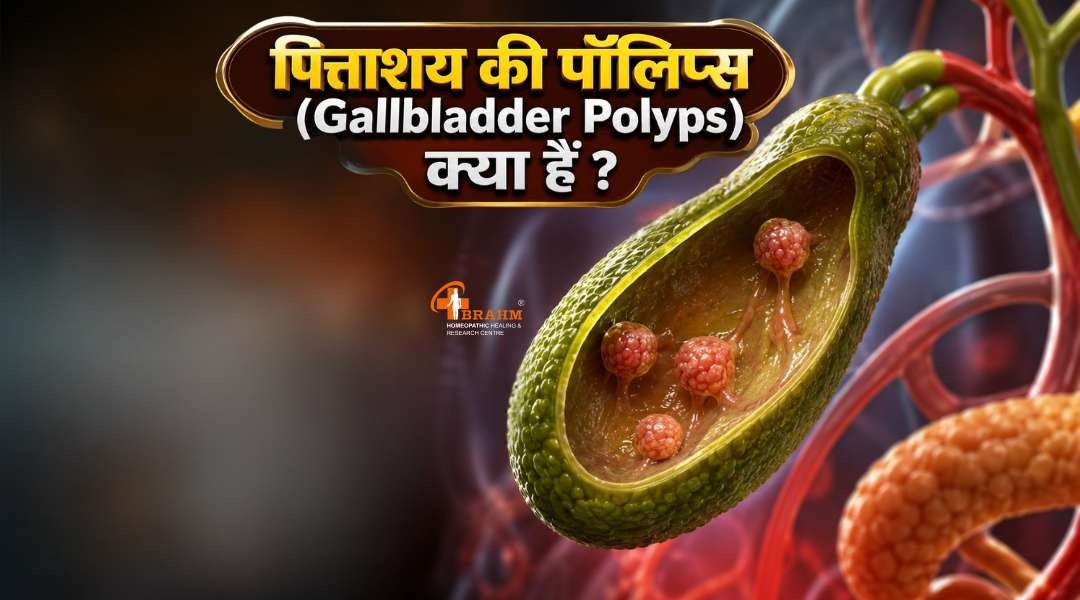
Gallbladder Polyps kya hai? aur uske kitne stage hote hai?
पित्ताशय की पॉलिप्स (Gallbladder Polyps) क्या हैं?पित्ताशय की पॉलिप्स (Gallbladder Polyps) पित्ताशय (Gallbladder) की अंदरूनी सतह पर बनने वाली छोटी-छोटी उभरी हुई गांठें या वृद्धि होती हैं। पित्ताशय एक छोटा अंग है जो यकृत (Liver) के नीचे स्थित होता है और पित्त (Bile) को संग्रहित करके भोजन, विशेषकर वसा (Fat), के पाचन में सहायता करता है।अधिकांश पित्ताशय की पॉलिप्स गैर-कैंसरयुक्त (Benign) होती हैं और किसी प्रकार की गंभीर समस्या उत्पन्न नहीं करतीं। कई लोगों को इनके बारे में तब पता चलता है जब किसी अन्य कारण से पेट का अल्ट्रासाउंड (Ultrasound) कराया जाता है। हालांकि कुछ मामलों में, विशेष रूप से बड़ी पॉलिप्स, भविष्य में पित्ताशय के कैंसर (Gallbladder Cancer) का जोखिम बढ़ा सकती हैं। इसलिए इनका सही समय पर मूल्यांकन और आवश्यकतानुसार निगरानी या उपचार महत्वपूर्ण होता है।क्या पित्ताशय की पॉलिप्स के भी चरण (Stages) होते हैं?नहीं। पित्ताशय की पॉलिप्स के लिए कोई आधिकारिक या चिकित्सकीय रूप से निर्धारित चरण (Stages) नहीं होते।इसके स्थान पर चिकित्सक आमतौर पर इनके आकार (Size), संख्या (Number), प्रकार (Type) और कैंसर बनने की संभावना के आधार पर उनका आकलन करते हैं।आकार के आधार पर गंभीरता- छोटी पॉलिप्सआमतौर पर 5 मिलीमीटर (mm) या उससे छोटी पॉलिप्स अधिकतर हानिरहित होती हैं और केवल समय-समय पर जांच की आवश्यकता होती है।- मध्यम आकार की पॉलिप्सलगभग 6 से 9 मिलीमीटर की पॉलिप्स में नियमित निगरानी की सलाह दी जाती है ताकि यह देखा जा सके कि उनका आकार बढ़ तो नहीं रहा है।- बड़ी पॉलिप्स10 मिलीमीटर या उससे बड़ी पॉलिप्स में कैंसर का जोखिम अपेक्षाकृत अधिक माना जाता है। ऐसे मामलों में चिकित्सक पित्ताशय को शल्य चिकित्सा (Cholecystectomy) द्वारा हटाने की सलाह दे सकते हैं। पित्ताशय की पॉलिप्स शरीर को कैसे प्रभावित करती हैं?- पित्त के सामान्य प्रवाह में बाधा उत्पन्न करना।- पित्ताशय में सूजन (Inflammation) पैदा करना।- भोजन के बाद भारीपन या असहजता महसूस होना।- मतली या उल्टी की शिकायत होना।- दुर्लभ मामलों में कैंसर का खतरा बढ़ना।पित्ताशय की पॉलिप्स कितनी आम हैं?पित्ताशय की पॉलिप्स अपेक्षाकृत सामान्य स्थिति मानी जाती हैं। कई लोगों में यह बिना किसी लक्षण के मौजूद रहती हैं और केवल अल्ट्रासाउंड जांच के दौरान संयोग से पता चलती हैं।अनुमान है कि लगभग 4% से 7% वयस्कों में किसी न किसी प्रकार की पित्ताशय की पॉलिप पाई जा सकती है। इनमें से अधिकांश को कभी भी गंभीर समस्या नहीं होती।उम्र बढ़ने के साथ इनकी संभावना कुछ बढ़ सकती है। पुरुषों और महिलाओं दोनों में यह स्थिति देखी जा सकती है।
लक्षण और कारण?#पित्ताशय की पॉलिप्स के लक्षण#अधिकांश मामलों में कोई लक्षण नहीं होते।- भोजन, विशेषकर तैलीय भोजन के बाद असहजता।- पेट फूलना।- अपच।- मतली।- उल्टी।- पेट में भारीपन महसूस होना।दुर्लभ मामलों में पीलिया (Jaundice), यदि पित्त का प्रवाह बाधित हो जाए।इन लक्षणों का कारण केवल पॉलिप ही हो, यह आवश्यक नहीं है। पित्त की पथरी (Gallstones) या अन्य पित्ताशय संबंधी रोग भी ऐसे लक्षण पैदा कर सकते हैं।पित्ताशय की पॉलिप्स किस कारण होती हैं?पित्ताशय की पॉलिप्स बनने का एक ही निश्चित कारण ज्ञात नहीं है, लेकिन कई कारण और स्थितियां इनके विकास में भूमिका निभा सकती हैं।संभावित कारणों में शामिल हैं:- कोलेस्ट्रॉल (Cholesterol) का पित्ताशय की दीवार में जमा होना।- लंबे समय तक सूजन रहना - पित्ताशय की दीवार में असामान्य वृद्धि।- कुछ दुर्लभ सौम्य या कैंसरयुक्त ट्यूमर।- आनुवंशिक (Genetic) कारण।
जोखिम (Risk Factors)?कुछ लोगों में पित्ताशय की पॉलिप्स बनने या उनके बढ़ने का जोखिम अधिक हो सकता है।#मुख्य जोखिम कारक हैं:- बढ़ती उम्र।- अधिक कोलेस्ट्रॉल।- मोटापा।- मधुमेह (Diabetes)।- लंबे समय से पित्ताशय में सूजन।- पित्त की पथरी का इतिहास।- कुछ आनुवंशिक रोग।- अस्वस्थ खान-पान।- शारीरिक गतिविधि की कमी।यदि किसी व्यक्ति में बड़ी पॉलिप हो या उसका आकार समय के साथ बढ़ रहा हो, तो चिकित्सकीय निगरानी अत्यंत आवश्यक होती है।
Videos
Chronic Gastric Ulcer ka homeopathy me ilaj?
१) क्रॉनिक गैस्ट्रिक अल्सर का इलाज?
- क्रॉनिक गैस्ट्रिक अल्सर गंभीर बीमारी है, जिस में पेट की अंदरूनी पर्त में घाव बन जाता है। - जब यह अल्सर लंबे समय तक 3 महीने से भी अधिक बना रहता है. बार-बार वापस आता है, तो इसे “क्रॉनिक” कहा जाता है। - अगर सही समय पर इसका सही इलाज नहीं किया जाए, तो यह गंभीर समस्याओं का कारण हो सकता है.
२) क्रॉनिक गैस्ट्रिक अल्सर के कारण?
- क्रॉनिक गैस्ट्रिक अल्सर कई कारण से हो सकते हैं, जैसे की, - H. pylori बैक्टीरिया के संक्रमण से - बहुत ही ज्यादा मसालेदार तैलीय भोजन करने से - मानसिक तनाव तथा अनियमित जीवनशैली - ये सब कारक पेट के पर्त को नुकसान पहुंचाते हैं, जिस से अल्सर होता है।
३) क्रॉनिक गैस्ट्रिक अल्सर के लक्षण?इस बीमारी के लक्षण इस तरह से हैं, - पेट में जलन होना
- भूख भी सही से नहीं लगना - वजन का कम होना - गंभीर परीस्थिति में खून की उल्टी यह लक्षण दिखाई दें, तो तुरंत डॉ से संपर्क करना चाहिए। ४) क्रॉनिक गैस्ट्रिक अल्सर का सही इलाज?
# 1. दवा के द्वारा इलाज - डॉ. आमतौर पर इस तरह के दवाएं देते हैं: - ओमेप्राजोल, पेट के एसिड को कम करते हैं.
- H. pylori संक्रमण को खत्म करने के लिए एंटीबायोटिक्स
# 2. आहार में परिवर्तन # किन चीजों से बचें - ज्यादा मसालेदार तला हुआ खाना।
- चाय, कोल्ड ड्रिंक्स - शराब तथा धूम्रपान #क्या खाएं - हल्का भोजन- दही , दलिया - हरी सब्जियां तथा फल #3. जीवनशैली में सुधार - धूम्रपान को पुरे तरह से छोड़ दें - शराब को नहीं पीना - नियमित ७-८ घंटे नींद लें
५) क्रॉनिक गैस्ट्रिक अल्सर से बचाव?
- संतुलित आहार को लें - तनाव को कण्ट्रोल में रखे
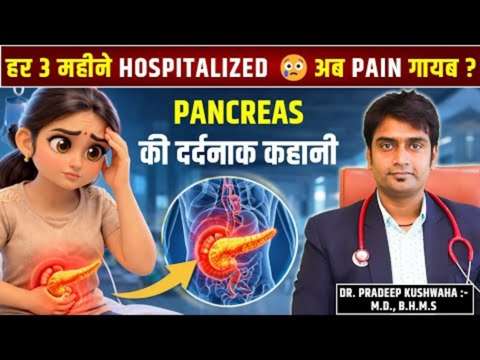
pancreatitis me sujan hone ka kya ilaj hai?
1) पैंक्रियास की सूजन का इलाज?
- पैंक्रियास (अग्नाशय) मानव शरीर का एक ज़रूरी अंग है, जो पेट के पीछे स्थित होता है। इसका काम पाचन एंजाइम और हार्मोन बनाना है। - जब इस अंग में सूजन आ जाती है, तो इस स्थिति को पैंक्रियाटाइटिस कहते हैं। - यह स्थिति अचानक (एक्यूट) हो सकती है या लंबे समय तक (क्रोनिक) बनी रह सकती है।
2) पैंक्रियास की सूजन के कारण?
- बहुत ज़्यादा शराब पीना - पित्त की पथरी (Gallstones) - ट्राइग्लिसराइड का स्तर ज़्यादा होना - कुछ दवाओं के साइड इफ़ेक्ट - इन्फेक्शन या आनुवंशिक कारण
3) पैंक्रियास की सूजन के लक्षण क्या हैं?
- दर्द भी पीठ तक फ़ैल सकते है.
- जी मिचलाना और उल्टी होना- बुखार; पेट फूलना
4) पैंक्रियास की सूजन का इलाज?
# 1. अस्पताल में भर्ती होना
- अगर सूजन गंभीर है, तो मरीज़ को अस्पताल में भर्ती करने की ज़रूरत होती है।
- नस के ज़रिए (IV) तरल पदार्थ दिए जाते हैं।
- मरीज़ को कुछ समय के लिए बिना खाना दिए रखा जाता है ताकि पैंक्रियास को आराम मिल सके और वह ठीक हो सके। # 2. दवाएँ - डॉक्टर द्वारा बताई गई दवाओं में ये शामिल हो सकती हैं: - दर्द कम करने के लिए पेनकिलर - पाचन एंजाइम सप्लीमेंट
5) घरेलू और प्राकृतिक उपाय?
# 1. हल्का और संतुलित आहार - कम वसा वाला खाना खाएँ
- उबली हुई सब्ज़ियाँ, फल और दलिया खाएँ
- बहुत ज़्यादा तले हुए, चिकनाई वाले और मसालेदार खाने से बचें# 2. खूब पानी पिएँ
# 3. शराब और धूम्रपान से दूर रहें
# 4. नारियल पानी पीने से भी पाचन बेहतर हो सकता है
6) किन चीज़ों से बचना चाहिए?
- बहुत ज़्यादा तेल या घी का सेवन न करें - जंक फ़ूड से बचें
- डॉक्टर से सलाह लिए बिना कोई भी दवा न लें
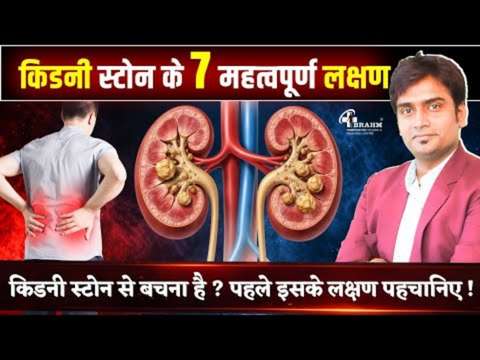
homeopathy me kidney stones ka ilaj?
१) किडनी स्टोन का इलाज?
- गुर्दे की पथरी बेहद दर्दनाक समस्या है। यह तब होता है, जब मूत्र में रहे हुए खनिज और लवण क्रिस्टल के रूप में जमा हो कर के कठोर पथरी का रूप ले लेते हैं।
- पथरी किडनी में मूत्र मार्ग के कोई भी भाग में बन सकती है। यदि समय पर सही इलाज नहीं किया गया तो यह बेहद गंभीर समस्या हो सकती है.
२) किडनी स्टोन होने के क्या कारण हो सकते है?
किडनी में स्टोन बनने के कई कारण हो सकते हैं, जैसे: की,
- कम पानी को पीने से।
- ज्यादा नमक या तो, प्रोटीन वाला भोजन
- आनुवंशिक के कारण से - कुछ दवा का ज्यादा सेवन करने से
- मूत्र में संक्रमण
३) किडनी स्टोन होने पर क्या लक्षण दिखाई देते है?
- किडनी स्टोन के लक्षण निचे बताये हैं,
- पीठ के निचले भाग में तेज दर्द का होना - पेशाब करते समय जलन का होना। - बार-बार पेशाब करने जाने की इच्छा
४) किडनी स्टोन का सही इलाज क्या है?
# 1. तरल पदार्थ का सेवन करना
- यदि छोटी पथरी है,तो उसका इलाज है ज्यादा से ज्यादा पानी को पीना। - दिन में कम से कम ५-७ गिलास जितना पानी को पीने से पथरी मूत्र के माध्यम से बाहर निकल सकती है।
# 2. दवा से इलाज
डॉ. दर्द को कम करने तथा पथरी को बाहर निकालने के लिए दवा को देते हैं, जैसे की,
- पेन किलर जो के दर्द को कण्ट्रोल करने के लिए।
- यदि संक्रमण हो तो, एंटीबायोटिक्स ५) किडनी स्टोन के लिए घरेलू उपाय?
- घरेलू उपाय से भी किडनी स्टोन को कम करने में मदद करते है,
- नींबू पानी के सेवन करने से पथरी बनने से रोकता है. - तुलसी का रस किडनी को अच्छा बनाये रखने में मदद करता है. -सेब का सिरका पथरी को घुलाने में मदद कर सकता है घरेलू उपाय को अपनाने से पहले डॉ. की सलाह को जरूर लें.
६) बचाव के लिए उपाय?
- डेली उचित पानी को पीना। - नियमित कसरत करना। - समय समय पर अपने स्वास्थ्य की जांच करवाना।
