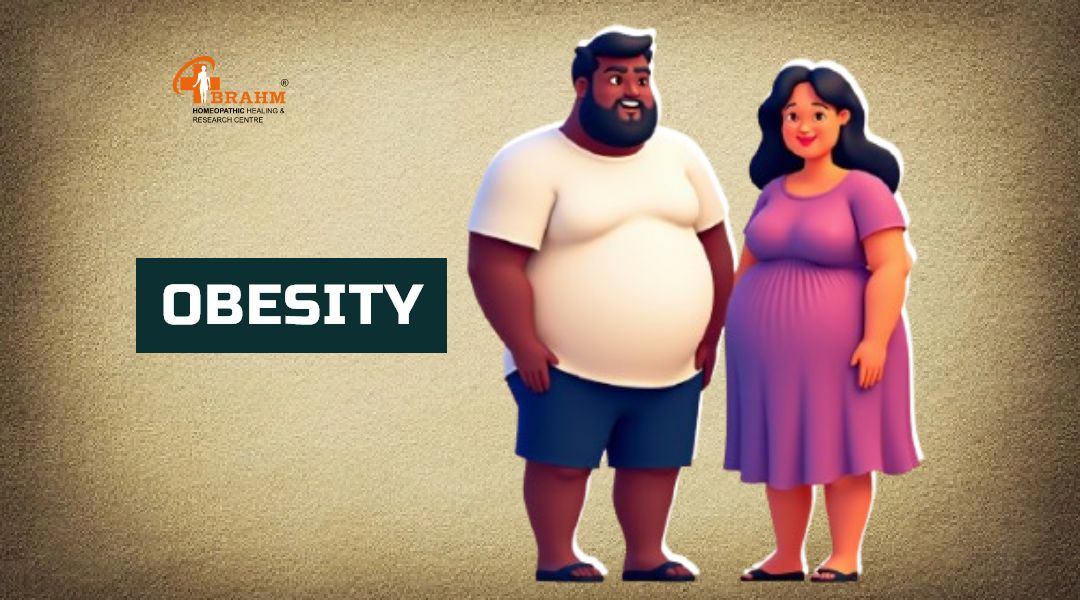
obesity treatment in homeopathy

Treating Obesity Without Medication: A Comprehensive Approach
-Obesity is a growing global concern, affecting millions of people and increasing the risk of various chronic diseases, including diabetes, heart disease, and hypertension.
-Today's article will discuss effective strategies for treating obesity without medications, focusing on lifestyle changes, behavior modification, and alternative therapies.

1. Dietary Changes
One of the ways to manage obesity is to adopt a balanced diet that promotes gradual, sustainable weight loss. Some essential dietary changes include,
- Calorie Reduction: Choosing low-calorie foods can help achieve this balance.
- Whole Foods: Including whole grains, fruits, and vegetables in the diet increases satiety and prevents excessive calorie intake.
- Reducing Sugar and Processed Foods: Sugary beverages contribute to excessive calorie intake and should be minimized.
-Hydration: Drinking enough water throughout the day can prevent overeating and improve metabolic functions.

-Hydration: Drinking enough water throughout the day can prevent overeating and improve metabolic functions.
2 Physical activity and exercise
Exercise not only helps burn calories but also boosts metabolism and overall health. Effective exercise strategies include:
-Aerobic exercise: Activities such as walking, cycling, and swimming improve heart health and help with weight loss.
-Strength training: Incorporating resistance exercise helps build muscle, which increases resting metabolic rate and aids fat loss.
-Daily activity: Simple habits such as taking the stairs instead of the elevator, walking instead of driving a car to cover short distances, and keeping busy with household chores can contribute to weight management.

3. Behavioral and psychological strategies
Weight loss requires addressing the behavioral and emotional aspects of eating. Techniques that may aid behaviour change include:
-Mindful eating: Paying attention to hunger and fullness cues, eating slowly and avoiding distractions while eating can prevent overeating.
-CBT: This therapy helps individuals identify and modify negative thought patterns related to food and body image.
-CBT: This therapy helps individuals identify and modify negative thought patterns related to food and body image.
-Stress management: Techniques such as meditation, deep breathing and yoga can help manage stress effectively.

4. Get good sleep
Sleep plays an important role in weight management.
- It is important to get 8-9 hours of sleep daily

5. Alternative treatments
Several alternative treatments can support weight loss efforts, such as:
-Acupuncture: Some studies suggest that acupuncture helps control appetite and metabolism
-Acupuncture: Some studies suggest that acupuncture helps control appetite and metabolism
-Massage therapy: May reduce stress and improve blood circulation,
6. Social support and accountability
Having a support system is important for long-term weight management. Ways to increase accountability include:
Having a support system is important for long-term weight management. Ways to increase accountability include:
-Joining a weight loss group or program.
-Seeking guidance from a fitness coach.
-Involving family and friends in healthy lifestyle changes. Using technology such as fitness apps to track progress and stay motivated.
-Involving family and friends in healthy lifestyle changes. Using technology such as fitness apps to track progress and stay motivated.
Stories
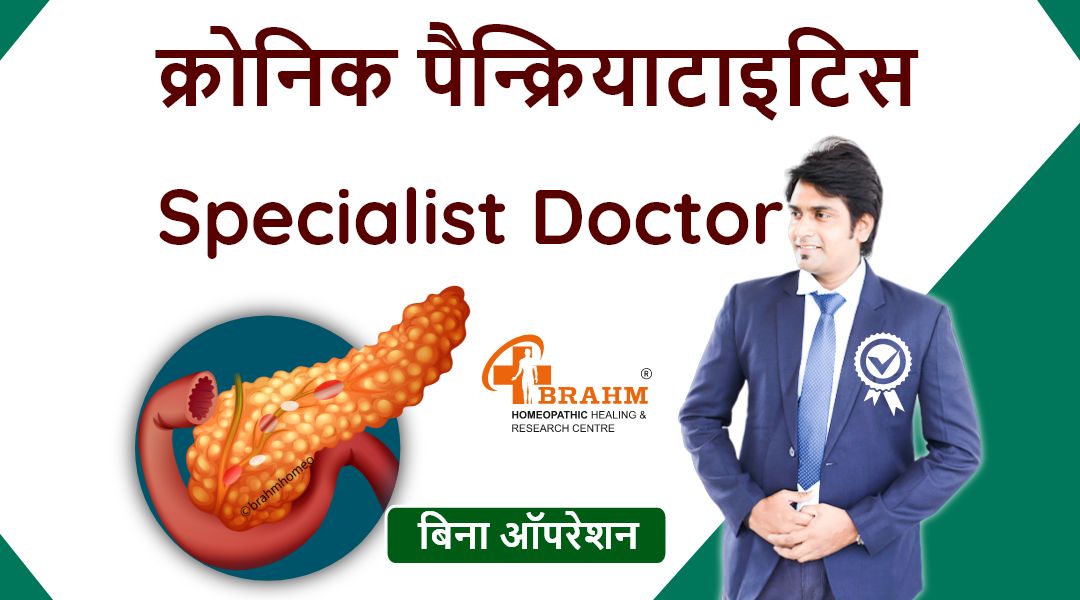
chronic pancreatitis treatment in hindi
पैंक्रियास ठीक करने के उपाय
पैंक्रियाटाइटिस एक बीमारी है जो आपके पैंक्रियास में हो सकती है। पैंक्रियास आपके पेट में एक लंबी ग्रंथि है जो भोजन को पचाने में आपकी मदद करती है। यह आपके रक्त प्रवाह में हार्मोन भी जारी करता है जो आपके शरीर को ऊर्जा के लिए भोजन का उपयोग करने में मदद करता है। यदि आपका पैंक्रियास क्षतिग्रस्त हो गया है, तो पाचन एंजाइम सामान्य रूप से आपकी छोटी आंत में नहीं जा सकते हैं और आपका शरीर ऊर्जा के लिए भोजन का उपयोग नहीं कर सकता है।
पैंक्रियास शरीर का एक महत्वपूर्ण हिस्सा है जो हार्मोन इंसुलिन का उत्पादन करके रक्त शर्करा को नियंत्रित करने में मदद करता है। यदि इस अंग को नुकसान होता है, तो इससे मानव शरीर में गंभीर समस्याएं हो सकती हैं। ऐसी ही एक समस्या है जब पैंक्रियास में सूजन हो जाती है, जिसे तीव्र पैंक्रियाटाइटिस कहा जाता है।
क्रोनिक पैंक्रियाटाइटिस पैंक्रियास की सूजन है जो लंबे समय तक रह सकती है। इससे पैंक्रियास और अन्य जटिलताओं को स्थायी नुकसान हो सकता है। इस सूजन से निशान ऊतक विकसित हो सकते हैं, जो इंसुलिन उत्पन्न करने वाली कोशिकाओं को नुकसान पहुंचा सकते हैं। यह पुरानी अग्नाशयशोथ वाले लगभग 45 प्रतिशत लोगों में मधुमेह का कारण बन सकता है। भारी शराब का सेवन भी वयस्कों में पैंक्रियाटाइटिस का कारण बन सकता है। ऑटोइम्यून और आनुवंशिक रोग, जैसे सिस्टिक फाइब्रोसिस, कुछ लोगों में पुरानी पैंक्रियाटाइटिस का कारण बन सकते हैं।
उत्तर भारत में, ऐसे बहुत से लोग हैं जिनके पास पीने के लिए बहुत अधिक है और कभी-कभी एक छोटा सा पत्थर उनके पित्ताशय में फंस सकता है और उनके अग्न्याशय के उद्घाटन को अवरुद्ध कर सकता है। इससे उन्हें अपना खाना पचाने में मुश्किल हो सकती है। 3 हाल ही में एशिया-प्रशांत क्षेत्र के विभिन्न देशों में किए गए एक सर्वेक्षण के अनुसार दक्षिण भारत में पुरानी अग्नाशयशोथ की व्यापकता प्रति 100,000 जनसंख्या पर 114-200 मामले हैं।
क्रोनिक पैंक्रियाटाइटिस के लक्षण ?
-कुछ लोगों को पेट में दर्द होता है जो पीठ तक फैल सकता है। -यह दर्द मतली और उल्टी जैसी चीजों के कारण हो सकता है। -खाने के बाद दर्द और बढ़ सकता है। -कभी-कभी किसी के पेट को छूने पर दर्द महसूस हो सकता है। -व्यक्ति को बुखार और ठंड लगना भी हो सकता है। वे बहुत कमजोर और थका हुआ भी महसूस कर सकते हैं।
क्रोनिक पैंक्रियाटाइटिस के कारण ?
-पित्ताशय की पथरी -शराब
-रक्त में उच्च ट्राइग्लिसराइड का स्तर -रक्त में उच्च कैल्शियम का स्तर
होम्योपैथी में क्रोनिक पैंक्रियाटाइटिस का इलाज कैसे किया जाता है?
होम्योपैथी में क्रोनिक पैंक्रियाटाइटिस नेक्रोसिस का उपचार उपचारात्मक है। आप कितने समय तक इस बीमारी से पीड़ित रहेंगे यह काफी हद तक आपकी उपचार योजना पर निर्भर करता है। ब्रह्म अनुसंधान पर आधारित चिकित्सकीय रूप से सिद्ध वैज्ञानिक उपचार मॉड्यूल इस बीमारी के इलाज में अत्यधिक प्रभावी हैं। हमारे पास आपके मामले का व्यवस्थित रूप से निरीक्षण और विश्लेषण करने, सभी संकेतों और लक्षणों, रोग के पाठ्यक्रम का दस्तावेजीकरण करने, रोग के चरण, पूर्वानुमान और जटिलताओं को समझने की क्षमता है, हमारे पास अत्यधिक योग्य डॉक्टरों की एक टीम है। फिर वे आपकी बीमारी के बारे में विस्तार से बताएंगे, आपको एक उचित आहार योजना (क्या खाएं और क्या नहीं खाएं), व्यायाम योजना, जीवनशैली योजना और कई अन्य कारक प्रदान करेंगे जो आपके समग्र स्वास्थ्य में सुधार कर सकते हैं। पढ़ाना। व्यवस्थित उपचार रोग ठीक होने तक होम्योपैथिक औषधियों से उपचार करें। इससे कोई फर्क नहीं पड़ता कि आप कितने समय से बीमारी से पीड़ित हैं, चाहे वह थोड़े समय के लिए हो या कई सालों से। हम सभी ठीक हो सकते हैं, लेकिन बीमारी के प्रारंभिक चरण में हम तेजी से ठीक हो जाते हैं। पुरानी या देर से आने वाली या लंबे समय तक चलने वाली बीमारियों को ठीक होने में अधिक समय लगता है। समझदार लोग इस बीमारी के लक्षण दिखते ही इलाज शुरू कर देते हैं। इसलिए, यदि आपको कोई असामान्यता नज़र आती है, तो कृपया तुरंत हमसे संपर्क करें।
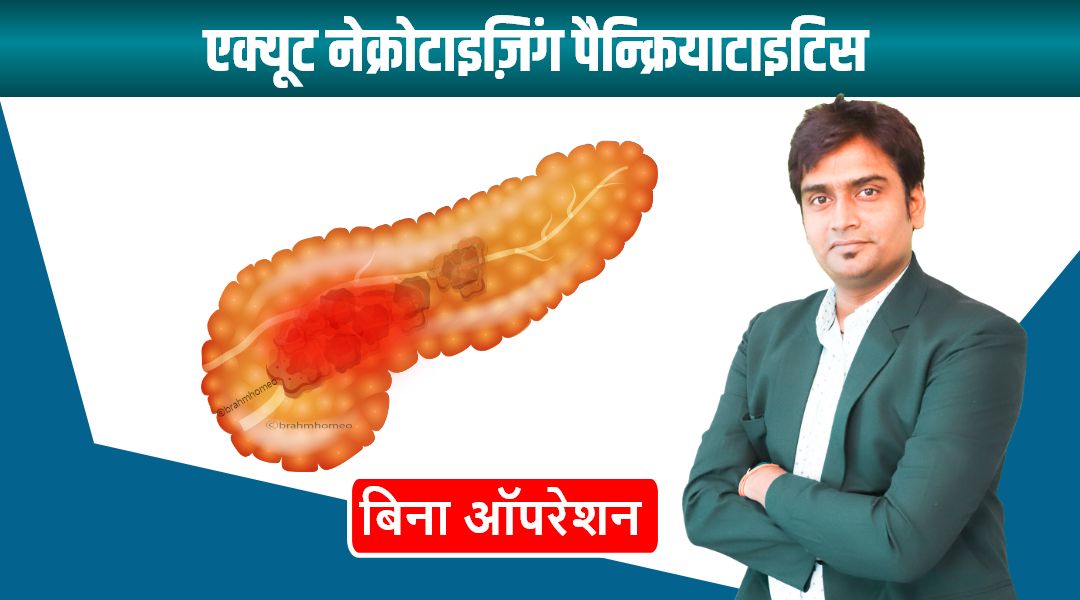
Acute Necrotizing pancreas treatment in hindi
तीव्र नेक्रोटाइज़िंग अग्नाशयशोथ ?
आक्रामक अंतःशिरा द्रव पुनर्जीवन, दर्द प्रबंधन, और आंत्र भोजन की जल्द से जल्द संभव शुरुआत उपचार के मुख्य घटक हैं। जबकि उपरोक्त सावधानियों से बाँझ परिगलन में सुधार हो सकता है, संक्रमित परिगलन के लिए अतिरिक्त उपचार की आवश्यकता होती है।
तीव्र नेक्रोटाइज़िंग अग्नाशयशोथ के लक्षण ? - बुखार - फूला हुआ पेट - मतली और दस्त तीव्र नेक्रोटाइज़िंग अग्नाशयशोथ के कारण ?
- अग्न्याशय में चोट - उच्च रक्त कैल्शियम स्तर और रक्त वसा सांद्रता
ऐसी स्थितियाँ जो अग्न्याशय को प्रभावित करती हैं और आपके परिवार में चलती रहती हैं, उनमें सिस्टिक फाइब्रोसिस और अन्य आनुवंशिक विकार शामिल हैं जिनके परिणामस्वरूप बार-बार अग्नाशयशोथ होता है|
क्या एक्यूट नेक्रोटाइज़िंग पैंक्रिएटाइटिस का इलाज होम्योपैथी से संभव है ?
हां, होम्योपैथिक उपचार चुनकर एक्यूट नेक्रोटाइज़िंग पैन्क्रियाटाइटिस का इलाज संभव है। होम्योपैथिक उपचार चुनने से आपको इन दवाओं का कोई साइड इफेक्ट नहीं होगा और यह समस्या को जड़ से खत्म कर देता है, इसीलिए आपको अपने एक्यूट नेक्रोटाइज़िंग पैन्क्रियाटाइटिस के इलाज के लिए होम्योपैथिक उपचार का ही चयन करना चाहिए।
आप तीव्र नेक्रोटाइज़िंग अग्नाशयशोथ से कैसे छुटकारा पा सकते हैं ?
शुरुआती चरण में सर्वोत्तम उपचार चुनने से आपको एक्यूट नेक्रोटाइज़िंग पैन्क्रियाटाइटिस से छुटकारा मिल जाएगा। होम्योपैथिक उपचार का चयन करके, ब्रह्म होम्योपैथी आपको एक्यूट नेक्रोटाइज़िंग पैन्क्रियाटाइटिस के लिए सबसे विश्वसनीय उपचार देना सुनिश्चित करता है। एक्यूट नेक्रोटाइज़िंग पैन्क्रियाटाइटिस के लिए होम्योपैथिक उपचार सबसे अच्छा इलाज है। जैसे ही आप एक्यूट नेक्रोटाइज़िंग पैन्क्रियाटाइटिस को ठीक करने के लिए अपना उपचार शुरू करेंगे, आपको निश्चित परिणाम मिलेंगे।
होम्योपैथिक उपचार से तीव्र नेक्रोटाइज़िंग अग्नाशयशोथ का इलाज संभव है। आप कितने समय से बीमारी से पीड़ित हैं, इसका उपचार योजना पर बहुत प्रभाव पड़ता है। इससे कोई फर्क नहीं पड़ता कि आप कब से अपनी बीमारी से पीड़ित हैं, या तो हाल ही में या कई वर्षों से - हमारे पास सब कुछ ठीक है, लेकिन बीमारी के शुरुआती चरण में, आप तेजी से ठीक हो जाएंगे। पुरानी स्थितियों के लिए या बाद के चरण में या कई वर्षों की पीड़ा के मामले में, इसे ठीक होने में अधिक समय लगेगा। बुद्धिमान व्यक्ति हमेशा इस बीमारी के किसी भी लक्षण को देखते ही तुरंत इलाज शुरू कर देते हैं, इसलिए जैसे ही आपमें कोई असामान्यता दिखे तो तुरंत हमसे संपर्क करें।
ब्रह्म होम्योपैथिक हीलिंग एवं रिसर्च सेंटर की उपचार योजना
ब्रह्म अनुसंधान आधारित, चिकित्सकीय रूप से प्रमाणित, वैज्ञानिक उपचार मॉड्यूल इस बीमारी को ठीक करने में बहुत प्रभावी है। हमारे पास सुयोग्य डॉक्टरों की एक टीम है जो आपके मामले का व्यवस्थित रूप से निरीक्षण और विश्लेषण करती है, रोग की प्रगति के साथ-साथ सभी संकेतों और लक्षणों को रिकॉर्ड करती है, इसकी प्रगति के चरणों, पूर्वानुमान और इसकी जटिलताओं को समझती है। उसके बाद वे आपको आपकी बीमारी के बारे में विस्तार से बताते हैं, आपको उचित आहार चार्ट [क्या खाएं या क्या न खाएं], व्यायाम योजना, जीवन शैली योजना प्रदान करते हैं और कई अन्य कारकों के बारे में मार्गदर्शन करते हैं जो व्यवस्थित प्रबंधन के साथ आपकी सामान्य स्वास्थ्य स्थिति में सुधार कर सकते हैं। जब तक यह ठीक न हो जाए तब तक होम्योपैथिक दवाओं से अपनी बीमारी का इलाज करें।
तीव्र नेक्रोटाइज़िंग अग्नाशयशोथ के लिए आहार ?
कुपोषण और पोषण संबंधी कमियों को रोकने के लिए, सामान्य रक्त शर्करा के स्तर को बनाए रखने और मधुमेह, गुर्दे की समस्याओं और पुरानी अग्नाशयशोथ से जुड़ी अन्य स्थितियों को रोकने या बेहतर ढंग से प्रबंधित करने के लिए, अग्नाशयशोथ की तीव्र घटना से बचना महत्वपूर्ण है।
यदि आप एक स्वस्थ आहार योजना की तलाश में हैं, तो ब्रह्म होम्योपैथी से संपर्क करें। हमारे विशेषज्ञ आपकी व्यक्तिगत आवश्यकताओं के अनुरूप एक योजना बनाने में आपकी सहायता कर सकते हैं
Pancreatitis treatment in hindi
पैंक्रियाटाइटिस ?
जब पैंक्रियाटाइटिसमें सूजन और संक्रमण हो जाता है तो इससे पैंक्रिअटिटिस नामक रोग हो जाता है। पैंक्रियास एक लंबा, चपटा अंग है जो पेट के पीछे पेट के शीर्ष पर छिपा होता है। पैंक्रिअटिटिस उत्तेजनाओं और हार्मोन का उत्पादन करके पाचन में मदद करता है जो आपके शरीर में ग्लूकोज के प्रसंस्करण को विनियमित करने में मदद करते हैं।
पैंक्रियाटाइटिस के लक्षण:
-पेट के ऊपरी भाग में दर्द होना। -बेकार वजन घटाना. -पेट का ख़राब होना.
-शरीर का असामान्य रूप से उच्च तापमान। -पेट को छूने पर दर्द होना। -तेज़ दिल की धड़कन. -हाइपरटोनिक निर्जलीकरण.
पैंक्रियाटाइटिस के कारण:
-पित्ताशय में पथरी. -भारी शराब का सेवन.
-भारी खुराक वाली दवाएँ। -हार्मोन का असंतुलन. -रक्त में वसा जो ट्राइग्लिसराइड्स का कारण बनता है। -आनुवंशिकता की स्थितियाँ. -पेट में सूजन ।
क्या होम्योपैथी पैंक्रियाटाइटिस को ठीक कर सकती है?
हाँ, होम्योपैथीपैंक्रियाटाइटिसको ठीक कर सकती है। ब्रह्म होम्योपैथी आपको पैंक्रिअटिटिस के लिए सबसे भरोसेमंद उपचार देना सुनिश्चित करती है।
पैंक्रियाटाइटिस के लिए सबसे अच्छा उपचार क्या है?
यदि पैंक्रियाज अच्छी तरह से काम नहीं कर रहा है तो होम्योपैथिक उपचार वास्तव में बेहतर होने में मदद करने का एक अच्छा तरीका है। जब आप उपचार शुरू करते हैं, तो आप जल्दी परिणाम देखेंगे। बहुत सारे लोग इस इलाज के लिए ब्रह्म होम्योपैथी जा रहे हैं और वे वास्तव में अच्छा कर रहे हैं। ब्रह्म होम्योपैथी आपके पैंक्रियाज के को बेहतर बनाने में मदद करने के लिए आपको सबसे तेज़ और सुरक्षित तरीका प्रदान करना सुनिश्चित करती है।
ब्रह्म होम्योपैथिक हीलिंग एंड रिसर्च सेंटर की उपचार योजना
बीमार होने पर लोगों को बेहतर महसूस कराने में मदद करने के लिए हमारे पास एक विशेष तरीका है। हमारे पास वास्तव में स्मार्ट डॉक्टर हैं जो ध्यान से देखते हैं और नोट करते हैं कि बीमारी व्यक्ति को कैसे प्रभावित कर रही है। फिर, वे सलाह देते हैं कि क्या खाना चाहिए, व्यायाम करना चाहिए और स्वस्थ जीवन कैसे जीना चाहिए। वे व्यक्ति को ठीक होने में मदद करने के लिए विशेष दवा भी देते हैं। यह तरीका कारगर साबित हुआ है!
Tips
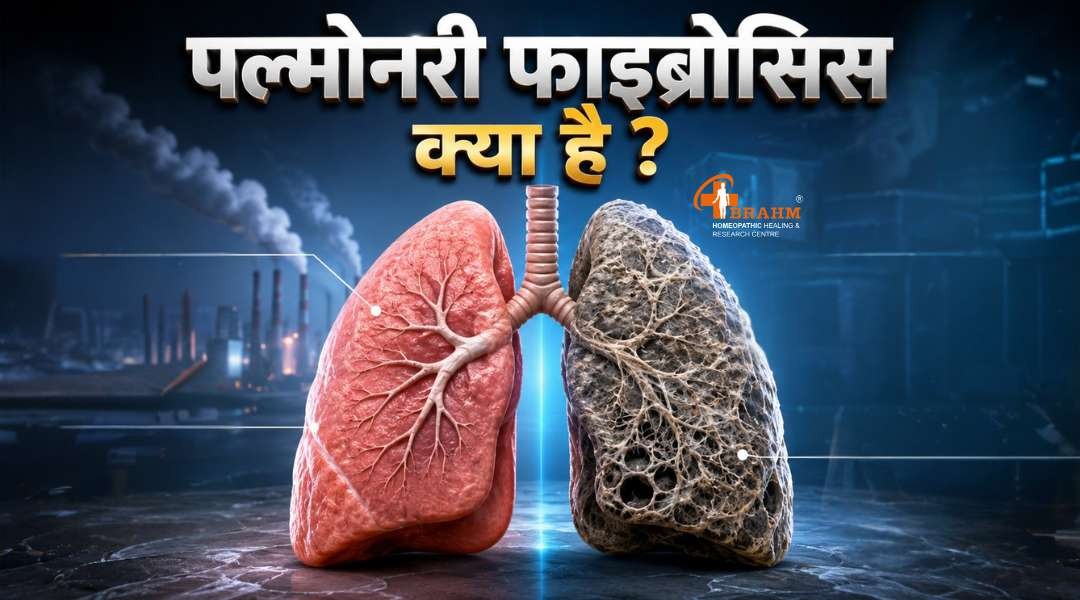
pulmonary fibrosis kya hai ?
१) पल्मोनरी फाइब्रोसिस क्या है?
पल्मोनरी फाइब्रोसिस गंभीर फेफड़ों की बीमारी है, जिसमें फेफड़ों के ऊतकों में धीरे-धीरे कठोरता आने लगती है। इस कठोरता के कारण फेफड़े ठीक से फैल नहीं पाते और शरीर को पर्याप्त ऑक्सीजन नहीं मिलती।
- यह बीमारी समय के साथ में बढ़ सकती है, इसलिए इसका समय पर पता लगाना और उचित इलाज कराना बहुत आवश्यक है।
२) पल्मोनरी फाइब्रोसिस के कारण?
पल्मोनरी फाइब्रोसिस कई कारणों से हो सकता है, जैसे: की,
- लंबे समय तक धूल, धुएँ या रसायनों के संपर्क में रहना। - धूम्रपान करना। - कुछ ऑटोइम्यून बीमारियाँ जैसे रूमेटाइड आर्थराइटिस या स्क्लेरोडर्मा।
- कुछ दवाओं के लंबे समय तक सेवन से।
- रेडिएशन थेरेपी का प्रभाव।
३) पल्मोनरी फाइब्रोसिस के लक्षण?- सांस फूलना, विशेषकर चलते या सीढ़ियाँ चढ़ते समय। - लगातार सूखी खाँसी। - जल्दी थक जाना। - सीने में जकड़न। - वजन कम होना। - कमजोरी और दैनिक कार्य करने में कठिनाई। #पल्मोनरी फाइब्रोसिस की जांच?
डॉ. बीमारी की पुष्टि के लिए निम्न जांच कर सकते हैं: - HRCT Scan (High Resolution CT Scan)
- Chest X-ray - Pulmonary Function Test (PFT) - Blood Test
- Oxygen Saturation Test -आवश्यकता होने पर Bronchoscopy या Lung Biopsy
४) पल्मोनरी फाइब्रोसिस का इलाज?
1. दवाइयाँ - डॉ. मरीज की स्थिति के अनुसार दवा देते हैं, जैसे: की, बीमारी की प्रगति धीमी करने के लिए) - खाँसी नियंत्रित करने की दवाएँ
बिना डॉक्टर की सलाह के कोई दवा शुरू या बंद न करें। 2 . ऑक्सीजन थेरेपी - यदि शरीर में ऑक्सीजन का स्तर कम हो जाए, तो डॉ. अतिरिक्त ऑक्सीजन लेने की सलाह दे सकते हैं। इससे सांस लेने में राहत मिलती है और दैनिक गतिविधियाँ करना आसान हो जाता है। 3. पल्मोनरी रिहैबिलिटेशन
- यह एक विशेष कार्यक्रम होता है जिसमें: सांस लेने की एक्सरसाइज , हल्का व्यायाम, पोषण संबंधी सलाह, मानसिक सहयोग 4. गंभीर स्थिति में लंग ट्रांसप्लांट - यदि बीमारी बहुत अधिक बढ़ चुकी हो और अन्य उपचार पर्याप्त लाभ न दे रहे हों, तो कुछ मरीजों में डॉक्टर लंग ट्रांसप्लांट पर विचार कर सकते हैं। यह सभी मरीजों के लिए उपयुक्त नहीं होता।
५) क्या पल्मोनरी फाइब्रोसिस पूरी तरह ठीक हो सकता है?
- पल्मोनरी फाइब्रोसिस का ऐसा इलाज उपलब्ध नहीं है, जो फेफड़ों में बने स्थायी स्कार को पूरी तरह समाप्त कर दे। हालांकि, समय पर निदान, सही दवाइयाँ, नियमित फॉलो-अप, ऑक्सीजन थेरेपी (जब आवश्यक हो) और जीवनशैली में सुधार से बीमारी की प्रगति को धीमा किया जा सकता है और मरीज लंबे समय तक बेहतर जीवन जी सकता है।

Atopic Dermatitis bimari kis karan se hota hai?
१) Atopic Dermatitis (Eczema) क्या है
यह त्वचा से जुड़ी सामान्य पर लंबे समय तक रहने वाली समस्या है। इस बीमारी में त्वचा सूखी, लाल, खुजलीदार और कभी-कभी फटी हुई दिखाई देती है। यह बच्चों में अधिक देखने को मिलती है, लेकिन किसी भी उम्र के व्यक्ति को हो सकती है। सही देखभाल और उपचार से इसके लक्षणों को काफी हद तक नियंत्रित किया जा सकता है।
२) Atopic Dermatitis (Eczema) के कारण
एक्जिमा होने के पीछे कई कारण हो सकते हैं, जैसे - आनुवंशिक कारण - एलर्जी की समस्या - धूल, मिट्टी, परागकण या पालतू जानवरों के बाल - अधिक तनाव (Stress) - मौसम में बदलाव - बहुत गर्म या ठंडा वातावरण
- तेज केमिकल वाले साबुन या डिटर्जेंट का उपयोग
३) Atopic Dermatitis (Eczema) के लक्षण
इस बीमारी के सामान्य लक्षण निम्नलिखित हैं - त्वचा में तेज खुजली- लाल चकत्ते
- त्वचा का सूखना और फटना
- त्वचा का मोटा होना
- छोटे-छोटे दाने या पानी वाले फफोले - खुजलाने पर खून या संक्रमण होना - बच्चों में गाल, हाथ और पैरों पर अधिक असर
४) Atopic Dermatitis (Eczema) का इलाज
एक्जिमा का स्थायी इलाज हमेशा संभव नहीं होता, लेकिन सही उपचार से इसे नियंत्रित किया जा सकता है। 1. मॉइस्चराइज़र का नियमित उपयोग - त्वचा को दिन में 2–3 बार अच्छी तरह मॉइस्चराइज़ करें। 2. डॉक्टर द्वारा दी गई क्रीम - त्वचा के डॉ आवश्यकता अनुसार अन्य दवाएं लिख सकते हैं।
3. एंटीहिस्टामिन दवाएं
4. संक्रमण का इलाज - यदि त्वचा में बैक्टीरिया या फंगल संक्रमण हो जाए तो एंटीबायोटिक या एंटीफंगल दवाओं की जरूरत पड़ सकती है। 5. गंभीर मामलों में - बहुत गंभीर एक्जिमा में डॉक्टर फोटोथेरेपी या बायोलॉजिक दवाओं की सलाह दे सकते हैं।
५) क्या खाना चाहिए- हरी सब्जियां
- ताजे फल -ओमेगा-3 युक्त खाद्य पदार्थ - दही (यदि एलर्जी न हो) - पर्याप्त पानी #किन चीजों से बचें- तेज खुशबू वाले साबुन - बहुत गर्म पानी से नहाना- धूल और धुएं का अधिक संपर्क - ऊनी या सिंथेटिक कपड़े
- बार-बार खुजलाना
- तनाव
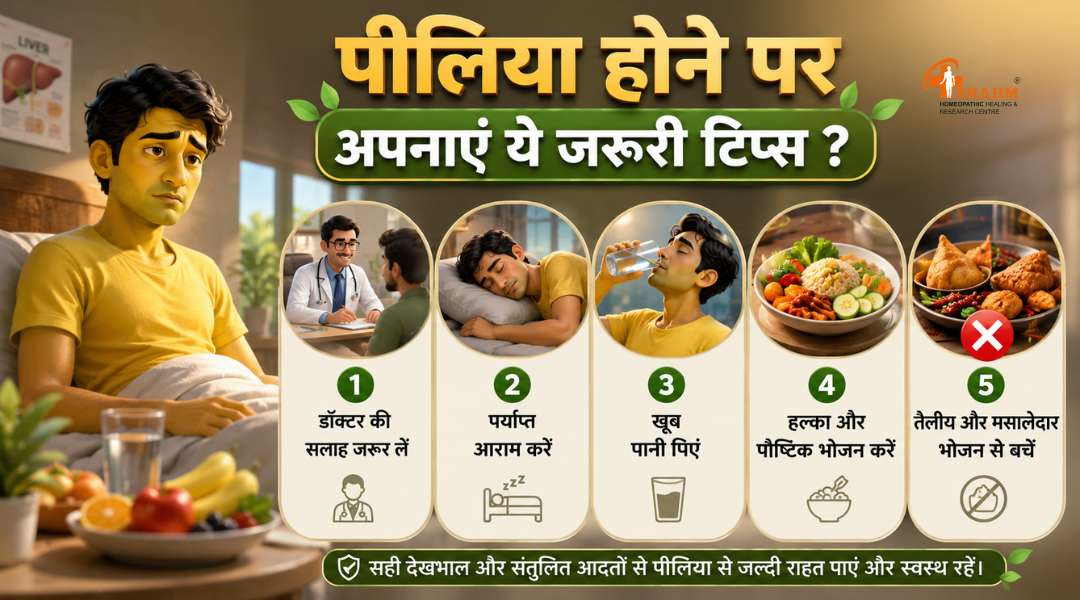
piliya ho jane par kya tips hai?
१) पीलिया क्या है?
- पीलिया कोई अलग बीमारी नहीं, यह ऐसी स्थिति है ,शरीर में बिलीरुबिन नामक पदार्थ का स्तर बढ़ जाता है। इसके कारण त्वचा, आंखों का सफेद भाग और कभी-कभी नाखून भी पीले दिखाई देने लगते हैं। यह समस्या अक्सर लिवर, पित्ताशय या पित्त नलिकाओं से जुड़ी गड़बड़ी के कारण होती है। समय पर जांच और सही उपचार से अधिकांश मामलों में पीलिया ठीक हो सकता है।
२) पीलिया होने पर दिखाई देने वाले सामान्य लक्षण?
- आंखों और त्वचा का पीला पड़ना - गहरे रंग का पेशाब
- कमजोरी और थकान - भूख कम लगना - मतली या उल्टी
- पेट में दर्द या भारीपन - हल्के रंग का मल
३) पीलिया होने पर अपनाएं ये जरूरी टिप्स?
# 1. डॉक्टर की सलाह जरूर लें - यदि आंखें या त्वचा पीली दिखने लगे तो बिना देरी किए डॉक्टर से जांच कराएं।
# 2. पर्याप्त आराम करें
- लिवर को ठीक होने के लिए शरीर को आराम की आवश्यकता होती है। पर्याप्त नींद लें और अधिक शारीरिक मेहनत से बचें। # 3. खूब पानी पिएं
शरीर को हाइड्रेट रखना बहुत जरूरी है। दिनभर पर्याप्त मात्रा में पानी पिएं।
# 4. हल्का और पौष्टिक भोजन करें -ऐसा भोजन करें जो आसानी से पच जाए, जैसे: दलिया, खिचड़ी,मूंग दाल,उबली हुई सब्जियां, ताजे फल
# 5. तैलीय और मसालेदार भोजन से बचें
४) पीलिया में क्या खाएं?
- ताजे फल (डॉ. के अनुसार) - हरी सब्जियां, दालें - ओट्स या दलिया - खिचड़ी
- नारियल पानी
५) किन चीजों से बचें?
- तला हुआ भोजन
- अधिक मसालेदार खाना - फास्ट फूड
- शराब
- बिना डॉ. की सलाह के दवाएं
Testimonials
body weakness treatment
ब्रह्म होम्योपैथी से 10 महीने में चमत्कारी इलाज: एक मरीज की कहानी
आज के समय में जब लोग तरह-तरह की बीमारियों से जूझ रहे हैं, तब होम्योपैथी चिकित्सा कई मरीजों के लिए आशा की किरण बन रही है। ऐसी ही एक प्रेरणादायक कहानी है एक मरीज की, जिसने ब्रह्म होम्योपैथी के माध्यम से 10 महीने में अपनी बीमारी से निजात पाई।
शुरुआत में थी थकान और शरीर में भारीपन
मरीज ने बताया, "मुझे कई दिनों से शरीर में थकान, भारीपन और बेचैनी महसूस हो रही थी। यह परेशानी धीरे-धीरे इतनी बढ़ गई कि रोजमर्रा के काम भी कठिन लगने लगे। मेरी माँ पहले से ही ब्रह्म होम्योपैथी क्लीनिक में इलाज करा रही थीं। उन्होंने बताया कि उन्हें वेरीकोज वेन्स की समस्या थी और यहाँ के इलाज से उन्हें बहुत लाभ हुआ था। उनकी सलाह पर मैं भी यहाँ आया।"
होम्योपैथी इलाज का असर मात्र एक सप्ताह में
मरीज के अनुसार, "जब मैंने ब्रह्म होम्योपैथी में डॉक्टर प्रदीप कुशवाहा से परामर्श लिया और उनकी सलाह के अनुसार दवाएं लेना शुरू किया, तो सिर्फ एक हफ्ते के भीतर ही मुझे सुधार महसूस होने लगा। मेरी थकान कम हो गई, शरीर की ऊर्जा बढ़ने लगी और पहले की तुलना में मैं ज्यादा सक्रिय महसूस करने लगा।"
लगातार 10 महीने तक किया उपचार, मिली पूरी राहत
मरीज ने लगातार 10 महीने तक ब्रह्म होम्योपैथी की दवाएं लीं और सभी निर्देशों का पालन किया। उन्होंने कहा, "लगभग 15 दिनों के अंदर ही मेरी स्थिति में काफी सुधार हुआ और अब 10 महीने बाद मैं पूरी तरह स्वस्थ महसूस कर रहा हूँ। यह सब डॉक्टर प्रदीप कुशवाहा और ब्रह्म होम्योपैथी की दवाओं की वजह से संभव हुआ।"
होम्योपैथी: सभी बीमारियों के लिए वरदान
मरीज ने आगे कहा, "इस क्लिनिक का माहौल बहुत अच्छा है और इलाज का तरीका बेहद प्रभावी है। यहाँ की दवाएँ बहुत असरदार हैं और मुझे इनके इस्तेमाल से कोई साइड इफेक्ट भी नहीं हुआ। यह सच में होम्योपैथी का सबसे बेहतरीन केंद्र है। मैं सभी मरीजों से अनुरोध करूंगा कि अगर वे किसी पुरानी बीमारी से परेशान हैं, तो एक बार ब्रह्म होम्योपैथी का इलाज जरूर लें। यह एक बीमार मरीजों के लिए किसी स्वर्ग से कम नहीं है।"
निष्कर्ष
इस मरीज की कहानी यह साबित करती है कि सही चिकित्सा और सही मार्गदर्शन से कोई भी बीमारी ठीक हो सकती है। ब्रह्म होम्योपैथी में न केवल आधुनिक चिकित्सा पद्धति का समावेश है, बल्कि यहाँ मरीजों की समस्याओं को गहराई से समझकर उनका संपूर्ण इलाज किया जाता है। यदि आप भी किसी स्वास्थ्य समस्या से जूझ रहे हैं, तो ब्रह्म होम्योपैथी एक बेहतरीन विकल्प हो सकता है।

acute pancreatitis ka ilaaj
ब्रह्म होम्योपैथी: एक मरीज की जीवन बदलने वाली कहानी
एक्यूट पैन्क्रियाटाइटिस: एक गंभीर समस्या
एक्यूट पैन्क्रियाटाइटिस एक ऐसी स्थिति है जिसमें अग्न्याशय में तीव्र सूजन हो जाती है। जब यह समस्या उत्पन्न होती है, तो मरीज को शुरुआत में इसकी जानकारी नहीं होती, लेकिन दर्द इतना असहनीय होता है कि उसे तुरंत अस्पताल में भर्ती होने की आवश्यकता पड़ती है। इस स्थिति का मुख्य कारण अनुचित जीवनशैली, जंक फूड, शराब का सेवन, ऑटोइम्यून बीमारियां, कुछ रसायन और विकिरण हो सकते हैं। यदि समय रहते सही इलाज नहीं किया गया, तो यह स्थिति क्रॉनिक पैन्क्रियाटाइटिस में बदल सकती है।
अमन बाजपेई की प्रेरणादायक यात्रा
मैं, अमन बाजपेई, पिछले 1.5 वर्षों से एक्यूट पैन्क्रियाटाइटिस का मरीज था। यह समय मेरे लिए बेहद कठिन था। मैं बहुत परेशान था, खाना खाने तक के लिए तरस गया था। पिछले 7-8 महीनों में मैंने रोटी तक नहीं खाई, केवल खिचड़ी और फल खाकर गुजारा कर रहा था। बार-बार मुझे इस बीमारी के हमले झेलने पड़ रहे थे। हर 5-10 दिनों में दवा लेनी पड़ती थी, लेकिन कोई लाभ नहीं हो रहा था।
इस बीमारी के इलाज में मैंने 6-7 लाख रुपये खर्च कर दिए। दिल्ली और झांसी समेत कई बड़े अस्पतालों में इलाज कराया, लेकिन कोई राहत नहीं मिली। मेरा वजन 95 किलो से घटकर 55 किलो हो गया और मैं बहुत कमजोर हो गया था। तभी मुझे सोशल मीडिया के माध्यम से ब्रह्म होम्योपैथी के बारे में पता चला।
ब्रह्म होम्योपैथी: उम्मीद की एक नई किरण
ब्रह्म होम्योपैथी वह जगह है जहां कम खर्च में उत्कृष्ट इलाज संभव है। मैंने आज तक किसी भी डॉक्टर या अस्पताल में इतना अच्छा व्यवहार नहीं देखा। डॉ. प्रदीप कुशवाहा सर ने मुझे एक नई जिंदगी दी। पहले मुझे लगा था कि मैं शायद कभी ठीक नहीं हो पाऊंगा, लेकिन आज मैं पूरी तरह स्वस्थ हूं।
मैं सभी मरीजों को यही सलाह दूंगा कि वे पैसे की बर्बादी न करें और सही इलाज के लिए ब्रह्म होम्योपैथी जाएं। यह भारत में एक्यूट पैन्क्रियाटाइटिस के लिए सबसे अच्छा अस्पताल है। मेरे लिए डॉ. प्रदीप कुशवाहा किसी देवता से कम नहीं हैं।
वैज्ञानिक रूप से प्रमाणित उपचार पद्धति
ब्रह्म होम्योपैथी के विशेषज्ञों ने शोध आधारित एक विशेष उपचार पद्धति विकसित की है, जिससे न केवल लक्षणों में सुधार होता है बल्कि बीमारी को जड़ से ठीक किया जाता है। हजारों मरीज इस उपचार का लाभ ले रहे हैं और उनकी मेडिकल रिपोर्ट में भी उल्लेखनीय सुधार देखा गया है।
यदि आप भी इस बीमारी से जूझ रहे हैं और सही इलाज की तलाश कर रहे हैं, तो ब्रह्म होम्योपैथी से संपर्क करें। यह न केवल बीमारी को बढ़ने से रोकता है बल्कि इसे जड़ से ठीक भी करता है।
urticaria ka ilaaj
रेणुका बहन श्रीमाली की प्रेरणादायक कहानी: 10 साल की तकलीफ से छुटकारारेणुका बहन श्रीमाली पिछले 10 वर्षों से एक गंभीर समस्या से जूझ रही थीं। उन्हें जब भी कुछ खाने की कोशिश करतीं, उनका शरीर फूल जाता था और अत्यधिक खुजली होने लगती थी। इस समस्या के कारण वे बहुत परेशान थीं और 10 वर्षों तक कुछ भी सही तरीके से नहीं खा पाती थीं। उन्होंने कई जगहों पर इलाज कराया, लेकिन कोई भी उपचार कारगर नहीं हुआ।
ब्रह्म होम्योपैथिक रिसर्च सेंटर से नई उम्मीदआखिरकार, 17 मई 2021 को उन्होंने ब्रह्म होम्योपैथिक रिसर्च सेंटर में अपना ट्रीटमेंट शुरू किया। पहले से निराश हो चुकीं रेणुका बहन के लिए यह एक नई उम्मीद की किरण थी।एक साल में चमत्कारी सुधारट्रीटमेंट शुरू करने के बाद, धीरे-धीरे उनके स्वास्थ्य में सुधार होने लगा। एक साल के भीतर उन्होंने अपने आहार में वे सभी चीजें फिर से शुरू कर दीं, जिन्हें वे पहले नहीं खा पाती थीं। पहले जहाँ कोई भी चीज खाने से उनका शरीर फूल जाता था और खुजली होती थी, वहीं अब वे बिना किसी परेशानी के सामान्य जीवन जी रही हैं।ब्रह्म होम्योपैथिक रिसर्च सेंटर का योगदान
रेणुका बहन का कहना है कि यह इलाज उनके लिए किसी चमत्कार से कम नहीं था। उन्होंने अपनी पुरानी जीवनशैली को फिर से अपनाया और अब वे पूरी तरह से स्वस्थ महसूस कर रही हैं। उनके अनुसार, ब्रह्म होम्योपैथिक रिसर्च सेंटर में इलाज का असर तुरंत दिखने लगता है और दवाइयाँ भी पूरी तरह से प्रभावी होती हैं।
अन्य समस्याओं के लिए भी कारगर
इस रिसर्च सेंटर में सिर्फ एलर्जी ही नहीं, बल्कि स्पॉन्डिलाइटिस, पीसीओडी जैसी कई अन्य बीमारियों का भी सफलतापूर्वक इलाज किया जाता है। रेणुका बहन जैसी कई अन्य मरीजों को भी यहाँ से सकारात्मक परिणाम मिले हैं।
रेणुका बहन का संदेश
रेणुका बहन उन सभी लोगों को धन्यवाद देती हैं जिन्होंने उनके इलाज में मदद की। वे यह संदेश देना चाहती हैं कि यदि कोई भी व्यक्ति किसी पुरानी बीमारी से परेशान है और अब तक उसे कोई समाधान नहीं मिला है, तो उन्हें ब्रह्म होम्योपैथिक रिसर्च सेंटर में एक बार अवश्य आना चाहिए।
"यहाँ इलाज प्रभावी, सुरक्षित और प्राकृतिक तरीके से किया जाता है। मैं इस सेंटर के प्रति आभार व्यक्त करती हूँ, जिसने मुझे 10 साल पुरानी तकलीफ से राहत दिलाई।"
अगर आप भी किसी स्वास्थ्य समस्या से जूझ रहे हैं और समाधान की तलाश में हैं, तो इस होम्योपैथिक उपचार को आज़मा सकते हैं।
Departments
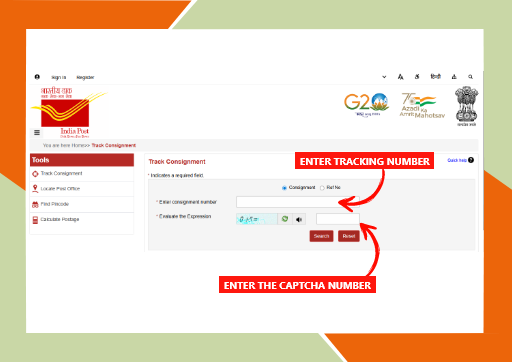
brahm homeopathy medicine tracking details
ब्रह्म होम्योपैथी मेडिसिन ट्रैकिंग कैसे करें?
अगर आपने ब्रह्म होम्योपैथी से दवा ऑर्डर की है और आप उसकी डिलीवरी की स्थिति जानना चाहते हैं, तो आप आसानी से इंडिया पोस्ट की वेबसाइट पर जाकर अपनी दवा को ट्रैक कर सकते हैं।
- ब्रह्म होम्योपैथी अधिकतर दवाएं भारत सरकार की इंडिया पोस्ट सेवा के माध्यम से भेजता है, जिसमें हर पार्सल का एक यूनिक ट्रैकिंग नंबर होता है।
Brahm Homeopathy Medicine Tracking Details.
- ट्रैकिंग के लिए सबसे पहले India Post की वेबसाइट पर जाएं। वहां “Track Consignment” विकल्प पर क्लिक करें। इसके बाद स्क्रीन पर दिख रही जगह पर अपना ट्रैकिंग नंबर डालें जो आपको ब्रह्म होम्योपैथी से SMS या Email के माध्यम से मिला होगा। - फिर स्क्रीन पर दिखाई दे रही कैप्चा कोड को सही-सही भरें और “Search” बटन पर क्लिक करें।
- इसके बाद आपको आपकी दवा का पूरा स्टेटस दिखेगा – जैसे कि पार्सल कहां पहुंचा है, कब डिलीवर होगा आदि। यह प्रक्रिया सरल है और घर बैठे आप अपने ऑर्डर की जानकारी आसानी से प्राप्त कर सकते हैं।
इस प्रकार, ब्रह्म होम्योपैथी की ट्रैकिंग सुविधा पारदर्शिता और भरोसेमंद सेवा का परिचायक है।
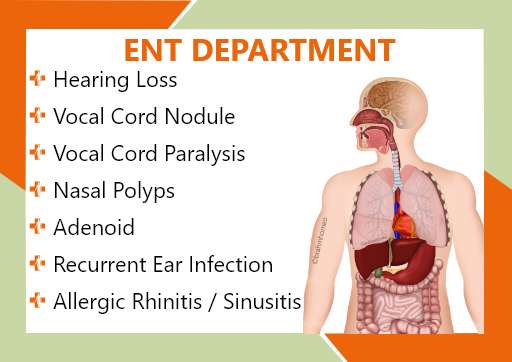
ENT DEPARTMENT
Hearing Loss, Vocal Cord Nodule, Vocal Cord Paralysis, Nasal Polip, Adenoid, Recurrent ear infection, Allergic Rhinitis/Sinusitis
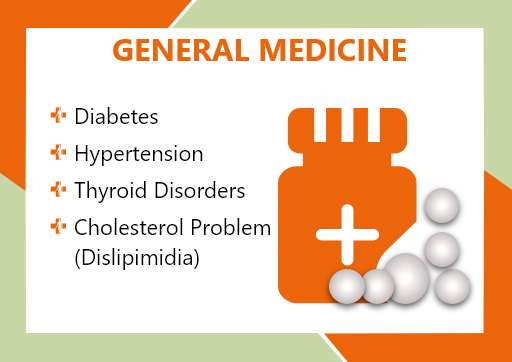
GENERAL MEDICINE
Diabetes
Hypertension
Thyroid Disorders
Cholesterol problem (Dislipimidia)
Diseases
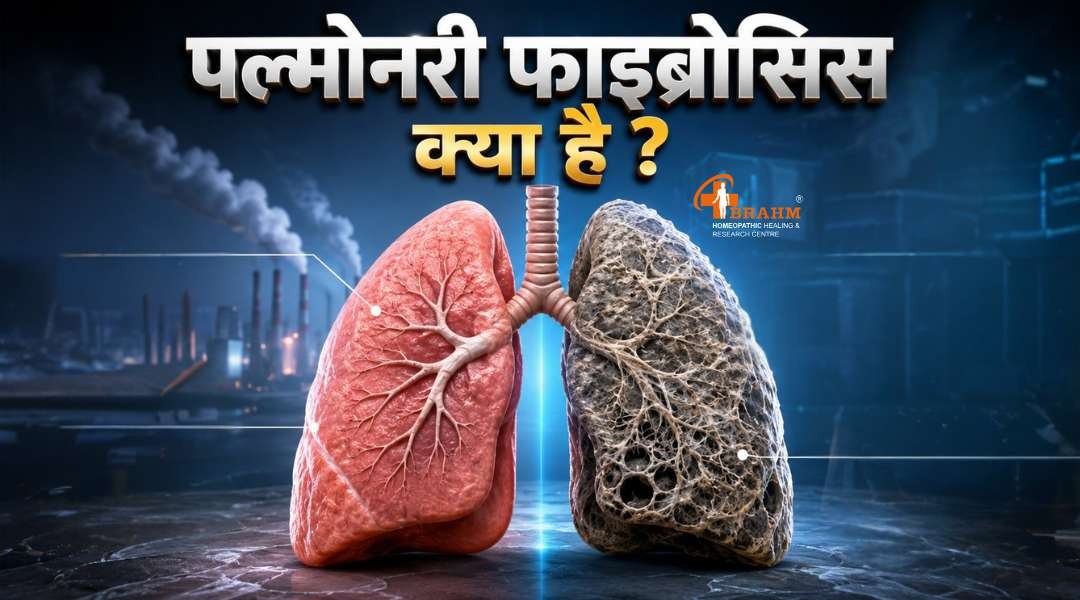
pulmonary fibrosis bimari kya hai?
पल्मोनरी फाइब्रोसिस (Pulmonary Fibrosis)?सांस लेना जीवन की सबसे बुनियादी क्रिया है और इसके लिए हमारे फेफड़े हर पल काम करते रहते हैं। स्वस्थ फेफड़ों में लाखों छोटी-छोटी वायु थैलियां होती हैं जिन्हें एल्वियोली (Alveoli) कहते हैं। ये थैलियां लचीली होती हैं और सांस लेते समय ऑक्सीजन को रक्त में पहुंचाने का काम करती हैं।लेकिन पल्मोनरी फाइब्रोसिस (Pulmonary Fibrosis) में इन्हीं फेफड़ों के ऊतकों में धीरे-धीरे घाव बनने लगते हैं और वे कठोर एवं मोटे हो जाते हैं। यह कठोरता फेफड़ों की स्वाभाविक लचक को कम करती है जिससे सांस लेना कठिन हो सकता है और शरीर को पर्याप्त ऑक्सीजन नहीं मिल पाती। इस निशान पड़ने की प्रक्रिया को Fibrosis कहते हैं।यह एक दीर्घकालिक और धीरे-धीरे बढ़ने वाली बीमारी है। एक बार फेफड़ों में जो निशान बन जाते हैं वे ठीक नहीं होते, इसीलिए इसे समय पर समझना और चिकित्सक की निगरानी में रहना महत्वपूर्ण हो सकता है।यह बीमारी आमतौर पर 50 से 70 वर्ष की आयु के लोगों में अधिक देखी जा सकती है। पुरुषों में इसकी संभावना कुछ अधिक हो सकती है। जो लोग लंबे समय से धूल, रसायन, या धुएं के संपर्क में रहे हों, धूम्रपान करते हों, या जिनके परिवार में यह बीमारी रही हो — उनमें इसकी संभावना अधिक हो सकती है।बीमारी के प्रकार?पल्मोनरी फाइब्रोसिस कई प्रकार का हो सकता है।1. इडियोपैथिक पल्मोनरी फाइब्रोसिस (IPF)यह सबसे सामान्य और सबसे अधिक अध्ययन किया जाने वाला प्रकार है। "इडियोपैथिक" का अर्थ है कि इसका कोई स्पष्ट कारण नहीं मिलता। यह मुख्यतः बुजुर्गों में देखा जा सकता है और धीरे-धीरे बढ़ता है।2. कारण-आधारित पल्मोनरी फाइब्रोसिसइस प्रकार में फाइब्रोसिस किसी ज्ञात कारण से होती है जैसे लंबे समय तक धूल या रसायन के संपर्क में रहना, कोई ऑटोइम्यून बीमारी, या कुछ अन्य स्थितियां।3. फैमिलियल पल्मोनरी फाइब्रोसिसकुछ परिवारों में यह बीमारी पीढ़ी दर पीढ़ी देखी जा सकती है जो आनुवंशिक कारणों से जुड़ी हो सकती है।
संभावित कारण?पल्मोनरी फाइब्रोसिस के कारण हर व्यक्ति में अलग हो सकते हैं। यह कारण सभी लोगों में समान नहीं होते।-पर्यावरणीय और व्यावसायिक कारण: जो लोग लंबे समय तक सिलिका धूल, एस्बेस्टस, कोयले की धूल, या अनाज की धूल के संपर्क में रहे हों, उनमें फेफड़ों को नुकसान पहुंचने की संभावना हो सकती है। खेतों, खानों, या निर्माण स्थलों पर काम करने वाले लोगों में यह जोखिम अधिक हो सकता है।-धूम्रपान: लंबे समय तक धूम्रपान करने वाले लोगों में फेफड़ों की कोशिकाओं को नुकसान पहुंचने की संभावना हो सकती है जो फाइब्रोसिस से जुड़ी हो सकती है।-ऑटोइम्यून कारण: रुमेटाइड आर्थराइटिस, स्क्लेरोडर्मा, या लूपस जैसी ऑटोइम्यून बीमारियों में कुछ मामलों में फेफड़े भी प्रभावित हो सकते हैं।-आनुवंशिक कारण: कुछ परिवारों में जीन से जुड़े कारणों की वजह से यह बीमारी होने की संभावना हो सकती है।-वायरल संक्रमण: कुछ शोधों में यह संभावना जताई गई है कि कुछ वायरल संक्रमण फेफड़ों की कोशिकाओं को प्रभावित कर सकते हैं जो आगे चलकर फाइब्रोसिस से जुड़ सकता है।- गैस्ट्रोइसोफेजियल रिफ्लक्स (GERD): कुछ मामलों में लंबे समय तक एसिड रिफ्लक्स की समस्या फेफड़ों को प्रभावित कर सकती है, हालांकि यह संबंध अभी पूरी तरह स्पष्ट नहीं है।- अज्ञात कारण: IPF के मामले में अधिकांश बार कोई स्पष्ट कारण नहीं मिलता।
लक्षण?हर व्यक्ति में लक्षण अलग हो सकते हैं। यह बीमारी अक्सर बहुत धीरे-धीरे बढ़ती है और शुरुआती लक्षण हल्के हो सकते हैं।#शुरुआती लक्षण- थोड़ा परिश्रम करने पर सांस फूलने की संभावना हो सकती है जो पहले केवल सीढ़ियां चढ़ने या तेज चलने पर महसूस हो।- सूखी खांसी जो लंबे समय से बनी हो और कफ न आए।- थकान जो सामान्य आराम के बाद भी न जाए।-काम करने की क्षमता में धीरे-धीरे कमी आ सकती है।#सामान्य लक्षण- सांस लेने में कठिनाई जो धीरे-धीरे बढ़ती जाए।-सांस लेते समय फेफड़ों से "क्रेकलिंग" जैसी आवाज कुछ मामलों में सुनी जा सकती है।-वजन में कमी आ सकती है।-जोड़ों और मांसपेशियों में दर्द कुछ लोगों में देखा जा सकता है।-उंगलियों के सिरे मोटे और गोलाकार हो सकते हैं जिसे Clubbing कहते हैं — यह -फेफड़ों की लंबे समय की बीमारी का संकेत हो सकता है।#गंभीर अवस्था में दिखाई देने वाले लक्षण- आराम करते समय भी सांस लेने में कठिनाई हो सकती है।-होंठ या नाखूनों पर नीलापन दिखाई दे सकता है जो रक्त में ऑक्सीजन की कमी का संकेत हो सकता है।- हृदय पर दबाव बढ़ने की संभावना हो सकती है क्योंकि फेफड़े पर्याप्त ऑक्सीजन नहीं दे पाते।-बार-बार फेफड़ों में संक्रमण होने की संभावना हो सकती है।ध्यान दें: हर व्यक्ति में लक्षण अलग हो सकते हैं और उनकी गति भी भिन्न हो सकती है। डॉक्टर स्थिति के अनुसार मूल्यांकन करते हैं।निष्कर्षपल्मोनरी फाइब्रोसिस एक ऐसी बीमारी है जो फेफड़ों को धीरे-धीरे प्रभावित करती है और इसके शुरुआती लक्षण इतने हल्के होते हैं कि अक्सर लोग इन्हें उम्र का असर या सामान्य थकान समझ लेते हैं। यही देरी इसे और जटिल बना सकती है।सांस हमारे जीवन का आधार है। यदि सांस फूलना, सूखी खांसी, या थकान लंबे समय से बनी हो — विशेष रूप से यदि आप किसी ऐसे वातावरण में काम करते हों या करते रहे हों जहां धूल और रसायन का संपर्क रहा हो — तो इन संकेतों को नजरअंदाज करना उचित नहीं। किसी योग्य पल्मोनोलॉजिस्ट से समय पर परामर्श लेना इस बीमारी की सही पहचान में सहायक हो सकता है। जितनी जल्दी इसे पहचाना जाए उतना ही बेहतर हो सकता है।
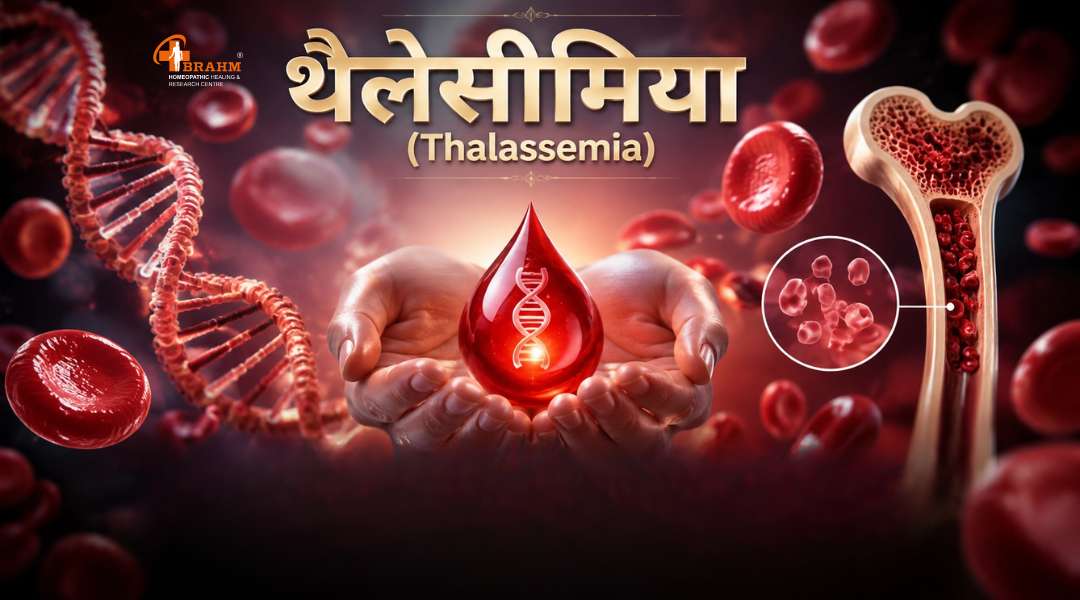
Thalassemia bimari kya hai? or kyu hoti hai?
थैलेसीमिया (Thalassemia) बीमारी क्या है?हमारे रक्त में लाल रक्त कोशिकाएं होती हैं जो पूरे शरीर में ऑक्सीजन पहुंचाने का काम करती हैं। इन कोशिकाओं में हीमोग्लोबिन नामक एक प्रोटीन होता है जो ऑक्सीजन को अपने साथ बांधकर चलता है। स्वस्थ व्यक्ति में हीमोग्लोबिन सही मात्रा और सही बनावट में बनता है।थैलेसीमिया एक आनुवंशिक रक्त विकार है जिसमें शरीर पर्याप्त मात्रा में या सही प्रकार का हीमोग्लोबिन नहीं बना पाता। इसके कारण लाल रक्त कोशिकाएं सामान्य से कम और कमजोर होती हैं तथा जल्दी नष्ट हो जाती हैं। परिणामस्वरूप शरीर में खून की लगातार कमी बनी रह सकती है जिसे एनीमिया कहते हैं।यह बीमारी मुख्य रूप से रक्त और अस्थि मज्जा (Bone Marrow) को प्रभावित करती है। गंभीर अवस्था में लीवर, प्लीहा (Spleen), हृदय, और हड्डियां भी प्रभावित हो सकती हैं।थैलेसीमिया एक जन्मजात बीमारी है जो माता-पिता से बच्चे में जीन के माध्यम से आती है। यह बीमारी भूमध्यसागरीय, मध्य पूर्व, दक्षिण एशियाई और अफ्रीकी मूल के लोगों में अधिक देखी जा सकती है। भारत में भी थैलेसीमिया के मामले बड़ी संख्या में पाए जाते हैं। यह बच्चों में जन्म से या शैशवावस्था में ही पहचानी जा सकती है।बीमारी के प्रकार?थैलेसीमिया मुख्यतः दो प्रकार का होता है:1. अल्फा थैलेसीमिया (Alpha Thalassemia):इसमें हीमोग्लोबिन बनाने के लिए जरूरी अल्फा चेन प्रोटीन कम या अनुपस्थित हो सकता है। इसकी गंभीरता इस बात पर निर्भर हो सकती है कि कितने जीन प्रभावित हैं। हल्के प्रकार में कोई लक्षण नहीं हो सकते जबकि गंभीर प्रकार जानलेवा हो सकता है।2. बीटा थैलेसीमिया (Beta Thalassemia):इस प्रकार भारत में अधिक सामान्य रूप से देखा जा सकता है। इसमें बीटा चेन प्रोटीन प्रभावित होता है। इसके तीन उपप्रकार हो सकते हैं:थैलेसीमिया माइनर (Thalassemia Minor / Trait): व्यक्ति इस बीमारी का वाहक होता है। आमतौर पर कोई गंभीर लक्षण नहीं होते लेकिन हल्की खून की कमी हो सकती है।थैलेसीमिया इंटरमीडिया: मध्यम गंभीरता का प्रकार जिसमें कुछ लक्षण हो सकते हैं।थैलेसीमिया मेजर (Thalassemia Major): यह सबसे गंभीर प्रकार है। इसमें गंभीर एनीमिया हो सकता है और नियमित चिकित्सीय देखरेख आवश्यक होती है।
संभावित कारण?थैलेसीमिया पूरी तरह एक आनुवंशिक बीमारी है। यह जीवनशैली या पर्यावरण से नहीं होती:- आनुवंशिक कारण: यह बीमारी हीमोग्लोबिन बनाने वाले जीन में दोष के कारण होती है। यह दोष माता-पिता से बच्चे में जाता है। यदि माता-पिता दोनों थैलेसीमिया के वाहक हों तो बच्चे में गंभीर थैलेसीमिया होने की संभावना हो सकती है।- वाहक माता-पिता: यदि माता या पिता में से केवल एक थैलेसीमिया माइनर हो तो बच्चे में भी वाहक होने की संभावना हो सकती है। यदि दोनों वाहक हों तो हर गर्भावस्था में थैलेसीमिया मेजर की 25% संभावना हो सकती है।- पारिवारिक इतिहास: जिन परिवारों में थैलेसीमिया का इतिहास हो उनमें अगली पीढ़ी में यह बीमारी आने की संभावना हो सकती है।- भौगोलिक और जातीय कारण: कुछ क्षेत्रों और जातीय समूहों में इस जीन दोष की प्रवृत्ति अधिक पाई जा सकती है जिससे इन समुदायों में थैलेसीमिया अधिक देखा जा सकता है।ध्यान दें: यह बीमारी छुआछूत से नहीं फैलती, किसी कमजोरी या लापरवाही से नहीं होती — यह पूरी तरह जीन से जुड़ी स्थिति है।
लक्षण?थैलेसीमिया के लक्षण उसके प्रकार और गंभीरता पर निर्भर करते हैं। हर व्यक्ति में लक्षण अलग हो सकते हैं।#शुरुआती लक्षण- शिशु या छोटे बच्चे में अत्यधिक पीलापन और थकान दिखाई दे सकती है- बच्चे का विकास सामान्य से धीमा हो सकता है- दूध पीने में या खाने में अरुचि हो सकती है- बच्चा सामान्य से अधिक चिड़चिड़ा या कमजोर दिखाई दे सकता है- त्वचा और आंखों में हल्का पीलापन कुछ मामलों में हो सकता है#सामान्य लक्षण- गंभीर थकान और कमजोरी जो सामान्य आराम से ठीक न हो-त्वचा का पीला या पीलापन लिए हुए रंग होना-प्लीहा (Spleen) और लीवर का आकार बढ़ सकता है जिससे पेट बड़ा दिखाई दे सकता है-हड्डियों में दर्द कुछ लोगों में देखा जा सकता है-बच्चों में चेहरे की हड्डियों में बदलाव हो सकता है — विशेष रूप से माथा और गाल की -हड्डियां उभरी हुई दिख सकती हैं-सांस फूलने की संभावना हो सकती है-बार-बार संक्रमण होने की प्रवृत्ति हो सकती है#गंभीर अवस्था में दिखाई देने वाले लक्षण-गंभीर एनीमिया के कारण हृदय पर अतिरिक्त दबाव पड़ सकता है-हड्डियां कमजोर और भंगुर हो सकती हैं जिससे फ्रैक्चर की संभावना बढ़ सकती है-बच्चे की सामान्य शारीरिक और मानसिक वृद्धि प्रभावित हो सकती है-लीवर और प्लीहा में अत्यधिक वृद्धि के कारण पेट में दर्द और भारीपन हो सकता है-त्वचा का रंग गहरा पड़ सकता है-यौवन में देरी हो सकती हैध्यान दें: थैलेसीमिया माइनर में कोई स्पष्ट लक्षण नहीं होते और व्यक्ति सामान्य जीवन जी सकता है। डॉक्टर स्थिति के अनुसार मूल्यांकन करते हैं। निष्कर्षथैलेसीमिया एक ऐसी बीमारी है जिसके बारे में जागरूकता न केवल प्रभावित बच्चों के लिए बल्कि पूरे परिवार और समाज के लिए महत्वपूर्ण है। इसकी सबसे जरूरी बात यह है कि यदि माता-पिता दोनों थैलेसीमिया के वाहक हों तो विवाह से पहले या गर्भावस्था की योजना बनाते समय आनुवंशिक परामर्श लेना उचित हो सकता है।यदि परिवार में किसी को थैलेसीमिया हो या बच्चे में असामान्य थकान, पीलापन, या विकास में देरी दिखाई दे तो बिना देर किए किसी योग्य बाल रोग विशेषज्ञ या रक्त रोग विशेषज्ञ (Hematologist) से परामर्श लेना महत्वपूर्ण हो सकता है। समय पर पहचान इस बीमारी को बेहतर ढंग से समझने में और जीवन की गुणवत्ता बनाए रखने में सहायक हो सकती है।
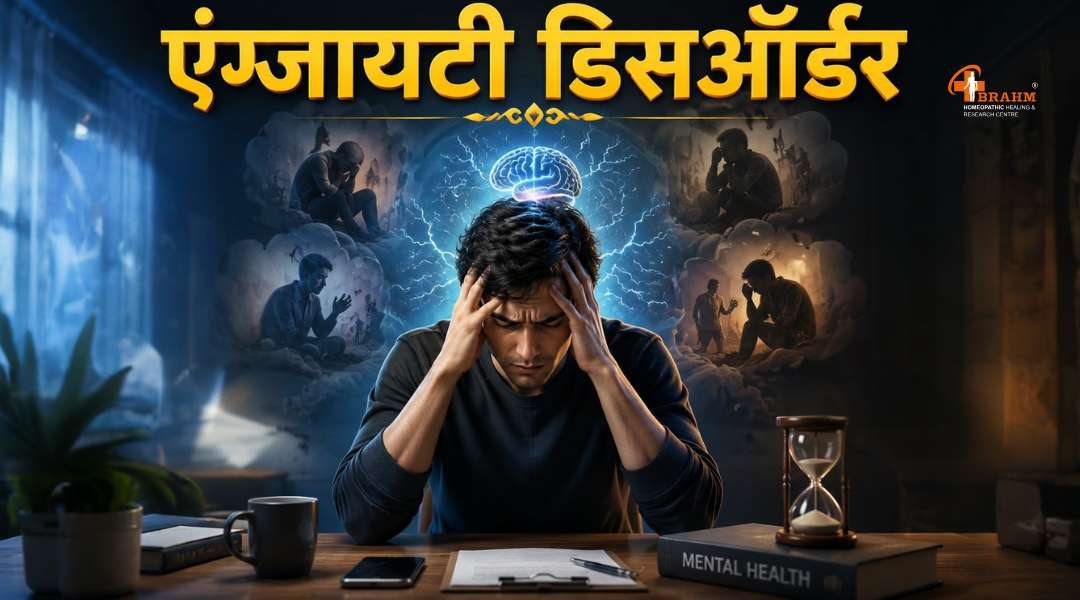
anxiety disorder bimari kya hai?
एंग्जायटी डिसऑर्डर बीमारी क्या है?जीवन में कभी-कभी घबराहट या चिंता होना बिल्कुल स्वाभाविक है। परीक्षा से पहले नर्वस होना, किसी नई जगह जाने पर बेचैनी महसूस करना — ये सामान्य भावनाएं हैं जो हर इंसान अनुभव करता है। - जब यही चिंता और घबराहट अधिक और बार बार होने लगे कि डेली की जिंदगी को असर होने लगे, नींद भी न आए, काम पर भी सही से ध्यान न लग सके, और कोई स्पष्ट कारण न हो — तब इसे एंग्जायटी डिसऑर्डर यानी चिंता विकार कहा जाता है।यह एक मानसिक स्वास्थ्य स्थिति है जो मस्तिष्क और तंत्रिका तंत्र को प्रभावित करती है। लेकिन इसका असर केवल मन तक सीमित नहीं रहता — शरीर पर भी इसके स्पष्ट लक्षण दिखाई दे सकते हैं। दिल की धड़कन बढ़ना, पसीना आना, सांस फूलना — ये सब शारीरिक संकेत हो सकते हैं जो एंग्जायटी के दौरान महसूस हो सकते हैं।यह बीमारी दुनियाभर में बहुत सामान्य है और भारत में भी बड़ी संख्या में लोग इससे प्रभावित हो सकते हैं। किशोरों और युवाओं में, महिलाओं में, और जो लोग अत्यधिक तनावपूर्ण जीवन जीते हों — उनमें इसकी संभावना अधिक देखी जा सकती है। यह किसी भी उम्र में हो सकती है।बीमारी के प्रकार?एंग्जायटी डिसऑर्डर कई प्रकार का हो सकता है। हर प्रकार की अपनी विशेषताएं होती हैं।1. सामान्यीकृत चिंता विकार (Generalized Anxiety Disorder — GAD)इसमें व्यक्ति लगभग हर छोटी-बड़ी बात को लेकर अत्यधिक चिंता करता रहता है — स्वास्थ्य, पैसे, परिवार, काम — बिना किसी ठोस कारण के। यह चिंता महीनों तक बनी रह सकती है।2. पैनिक डिसऑर्डर (Panic Disorder)इसमें अचानक बहुत तेज घबराहट का दौरा पड़ सकता है जिसे पैनिक अटैक कहते हैं। इस दौरान दिल तेज धड़कना, सांस रुकती हुई लगना, या ऐसा लगना कि कुछ बहुत बुरा होने वाला है — ये अनुभव हो सकते हैं।3. सोशल एंग्जायटी डिसऑर्डर (Social Anxiety Disorder)इसमें सामाजिक परिस्थितियों में — जैसे सबके सामने बोलना, भीड़ में जाना, या नए लोगों से मिलना — बहुत अधिक डर और घबराहट हो सकती है।4. फोबिया (Specific Phobia)किसी विशेष चीज या परिस्थिति से असामान्य रूप से अत्यधिक डर लगना — जैसे ऊंचाई, अंधेरा, या किसी जानवर से — इसे फोबिया कहते हैं।5. सेपरेशन एंग्जायटी (Separation Anxiety)यह मुख्यतः बच्चों में देखी जा सकती है जब वे किसी करीबी से अलग होने पर अत्यधिक डर और बेचैनी महसूस करते हैं।
संभावित कारण?एंग्जायटी डिसऑर्डर के कोई एक निश्चित कारण नहीं होते। यह कारण सभी लोगों में समान नहीं होते।- आनुवंशिक कारण: कुछ परिवारों में चिंता और मानसिक स्वास्थ्य से जुड़ी समस्याओं की प्रवृत्ति हो सकती है। यदि माता-पिता में यह समस्या हो तो संतान में भी इसकी संभावना हो सकती है।- मस्तिष्क की रसायनिक असंतुलन: मस्तिष्क में कुछ विशेष रसायनों जैसे सेरोटोनिन और डोपामीन का असंतुलन कुछ मामलों में चिंता विकार से जुड़ा हो सकता है।- जीवन के कठिन अनुभव: बचपन में कोई दर्दनाक घटना, दुर्घटना, हिंसा, या लंबे समय तक तनाव में रहना कुछ लोगों में एंग्जायटी का कारण बन सकता है।- लंबे समय का तनाव: काम का अत्यधिक दबाव, रिश्तों में परेशानी, या आर्थिक समस्याएं लंबे समय तक बनी रहें तो मानसिक स्वास्थ्य प्रभावित हो सकता है।- हार्मोनल बदलाव: महिलाओं में गर्भावस्था, प्रसव के बाद, या मेनोपॉज के दौरान हार्मोन में बदलाव के कारण एंग्जायटी की संभावना हो सकती है।- शारीरिक बीमारियां: थायरॉइड की समस्या, हृदय रोग, या कुछ अन्य शारीरिक स्थितियां कुछ मामलों में एंग्जायटी के लक्षणों से जुड़ी हो सकती हैं।- नींद की कमी और अनियमित दिनचर्या: लंबे समय तक अपर्याप्त नींद और अनियमित जीवनशैली मानसिक स्वास्थ्य को प्रभावित कर सकती है।- अत्यधिक कैफीन या अन्य पदार्थों का सेवन: कुछ मामलों में अत्यधिक चाय, कॉफी, या अन्य उत्तेजक पदार्थों का सेवन घबराहट बढ़ा सकता है।
लक्षण?हर व्यक्ति में लक्षण अलग हो सकते हैं। कुछ लोगों में मानसिक लक्षण अधिक होते हैं जबकि कुछ में शारीरिक लक्षण अधिक दिखाई दे सकते हैं।शुरुआती लक्षण- बिना किसी स्पष्ट कारण के बेचैनी और घबराहट महसूस हो सकती है।-नींद आने में कठिनाई या बीच रात में नींद टूट सकती है।- मन में बार-बार नकारात्मक विचार आने की संभावना हो सकती है।- एकाग्रता में कमी महसूस हो सकती है।- सामान्य से अधिक चिड़चिड़ापन दिखाई दे सकता है।#सामान्य लक्षण- दिल की धड़कन तेज होना कुछ लोगों में देखा जा सकता है।- पसीना आना, विशेष रूप से हथेलियों और माथे पर।- मांसपेशियों में तनाव या दर्द हो सकता है।- पेट में गड़बड़ी जैसे मतली या दस्त कुछ मामलों में हो सकते हैं।- सांस लेने में हल्की कठिनाई या सांस भारी लगना।- सिरदर्द की संभावना हो सकती है।-सामाजिक स्थितियों से दूर रहने की इच्छा हो सकती है।#गंभीर अवस्था में दिखाई देने वाले लक्षण- पैनिक अटैक जिसमें अचानक बहुत तेज घबराहट, दिल तेज धड़कना, और ऐसा लगना कि अभी कुछ बुरा होगा — यह कुछ लोगों में देखा जा सकता है।- रोजमर्रा के सामान्य काम करना कठिन हो सकता है।- घर से बाहर निकलने में अत्यधिक डर हो सकता है।- लंबे समय तक अवसाद के लक्षणों के साथ एंग्जायटी हो सकती है।- शरीर में कंपन या सुन्नपन कुछ मामलों में महसूस हो सकता है।- खुद को दूसरों से पूरी तरह अलग कर लेने की प्रवृत्ति हो सकती है।ध्यान दें: उपरोक्त सभी लक्षण हर व्यक्ति में एक साथ नहीं होते। डॉक्टर स्थिति के अनुसार मूल्यांकन करते हैं।निष्कर्षएंग्जायटी डिसऑर्डर एक वास्तविक और मान्यता प्राप्त मानसिक स्वास्थ्य स्थिति है — यह केवल "मन का वहम" या "कमजोरी" नहीं है। दुर्भाग्यवश हमारे समाज में मानसिक स्वास्थ्य को लेकर अभी भी संकोच बना रहता है जिसके कारण लोग इस समस्या को छुपाते हैं और समय पर मदद नहीं लेते।
Videos
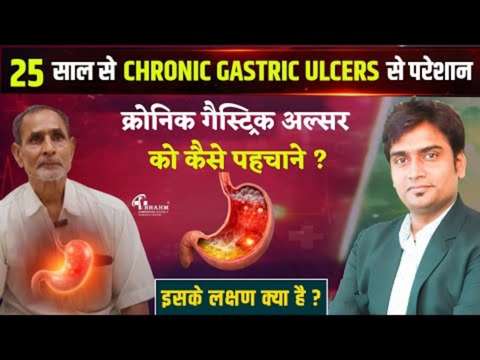
Chronic Gastric Ulcer ka homeopathy me ilaj?
१) क्रॉनिक गैस्ट्रिक अल्सर का इलाज?
- क्रॉनिक गैस्ट्रिक अल्सर गंभीर बीमारी है, जिस में पेट की अंदरूनी पर्त में घाव बन जाता है। - जब यह अल्सर लंबे समय तक 3 महीने से भी अधिक बना रहता है. बार-बार वापस आता है, तो इसे “क्रॉनिक” कहा जाता है। - अगर सही समय पर इसका सही इलाज नहीं किया जाए, तो यह गंभीर समस्याओं का कारण हो सकता है.
२) क्रॉनिक गैस्ट्रिक अल्सर के कारण?
- क्रॉनिक गैस्ट्रिक अल्सर कई कारण से हो सकते हैं, जैसे की, - H. pylori बैक्टीरिया के संक्रमण से - बहुत ही ज्यादा मसालेदार तैलीय भोजन करने से - मानसिक तनाव तथा अनियमित जीवनशैली - ये सब कारक पेट के पर्त को नुकसान पहुंचाते हैं, जिस से अल्सर होता है।
३) क्रॉनिक गैस्ट्रिक अल्सर के लक्षण?इस बीमारी के लक्षण इस तरह से हैं, - पेट में जलन होना
- भूख भी सही से नहीं लगना - वजन का कम होना - गंभीर परीस्थिति में खून की उल्टी यह लक्षण दिखाई दें, तो तुरंत डॉ से संपर्क करना चाहिए। ४) क्रॉनिक गैस्ट्रिक अल्सर का सही इलाज?
# 1. दवा के द्वारा इलाज - डॉ. आमतौर पर इस तरह के दवाएं देते हैं: - ओमेप्राजोल, पेट के एसिड को कम करते हैं.
- H. pylori संक्रमण को खत्म करने के लिए एंटीबायोटिक्स
# 2. आहार में परिवर्तन # किन चीजों से बचें - ज्यादा मसालेदार तला हुआ खाना।
- चाय, कोल्ड ड्रिंक्स - शराब तथा धूम्रपान #क्या खाएं - हल्का भोजन- दही , दलिया - हरी सब्जियां तथा फल #3. जीवनशैली में सुधार - धूम्रपान को पुरे तरह से छोड़ दें - शराब को नहीं पीना - नियमित ७-८ घंटे नींद लें
५) क्रॉनिक गैस्ट्रिक अल्सर से बचाव?
- संतुलित आहार को लें - तनाव को कण्ट्रोल में रखे
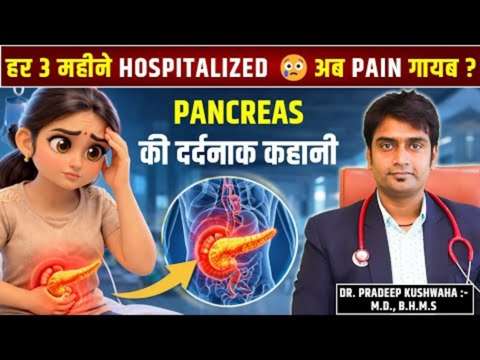
pancreatitis me sujan hone ka kya ilaj hai?
1) पैंक्रियास की सूजन का इलाज?
- पैंक्रियास (अग्नाशय) मानव शरीर का एक ज़रूरी अंग है, जो पेट के पीछे स्थित होता है। इसका काम पाचन एंजाइम और हार्मोन बनाना है। - जब इस अंग में सूजन आ जाती है, तो इस स्थिति को पैंक्रियाटाइटिस कहते हैं। - यह स्थिति अचानक (एक्यूट) हो सकती है या लंबे समय तक (क्रोनिक) बनी रह सकती है।
2) पैंक्रियास की सूजन के कारण?
- बहुत ज़्यादा शराब पीना - पित्त की पथरी (Gallstones) - ट्राइग्लिसराइड का स्तर ज़्यादा होना - कुछ दवाओं के साइड इफ़ेक्ट - इन्फेक्शन या आनुवंशिक कारण
3) पैंक्रियास की सूजन के लक्षण क्या हैं?
- दर्द भी पीठ तक फ़ैल सकते है.
- जी मिचलाना और उल्टी होना- बुखार; पेट फूलना
4) पैंक्रियास की सूजन का इलाज?
# 1. अस्पताल में भर्ती होना
- अगर सूजन गंभीर है, तो मरीज़ को अस्पताल में भर्ती करने की ज़रूरत होती है।
- नस के ज़रिए (IV) तरल पदार्थ दिए जाते हैं।
- मरीज़ को कुछ समय के लिए बिना खाना दिए रखा जाता है ताकि पैंक्रियास को आराम मिल सके और वह ठीक हो सके। # 2. दवाएँ - डॉक्टर द्वारा बताई गई दवाओं में ये शामिल हो सकती हैं: - दर्द कम करने के लिए पेनकिलर - पाचन एंजाइम सप्लीमेंट
5) घरेलू और प्राकृतिक उपाय?
# 1. हल्का और संतुलित आहार - कम वसा वाला खाना खाएँ
- उबली हुई सब्ज़ियाँ, फल और दलिया खाएँ
- बहुत ज़्यादा तले हुए, चिकनाई वाले और मसालेदार खाने से बचें# 2. खूब पानी पिएँ
# 3. शराब और धूम्रपान से दूर रहें
# 4. नारियल पानी पीने से भी पाचन बेहतर हो सकता है
6) किन चीज़ों से बचना चाहिए?
- बहुत ज़्यादा तेल या घी का सेवन न करें - जंक फ़ूड से बचें
- डॉक्टर से सलाह लिए बिना कोई भी दवा न लें
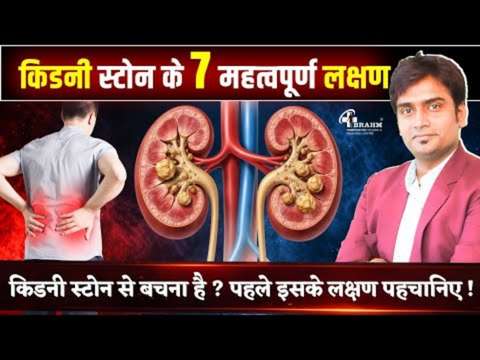
homeopathy me kidney stones ka ilaj?
१) किडनी स्टोन का इलाज?
- गुर्दे की पथरी बेहद दर्दनाक समस्या है। यह तब होता है, जब मूत्र में रहे हुए खनिज और लवण क्रिस्टल के रूप में जमा हो कर के कठोर पथरी का रूप ले लेते हैं।
- पथरी किडनी में मूत्र मार्ग के कोई भी भाग में बन सकती है। यदि समय पर सही इलाज नहीं किया गया तो यह बेहद गंभीर समस्या हो सकती है.
२) किडनी स्टोन होने के क्या कारण हो सकते है?
किडनी में स्टोन बनने के कई कारण हो सकते हैं, जैसे: की,
- कम पानी को पीने से।
- ज्यादा नमक या तो, प्रोटीन वाला भोजन
- आनुवंशिक के कारण से - कुछ दवा का ज्यादा सेवन करने से
- मूत्र में संक्रमण
३) किडनी स्टोन होने पर क्या लक्षण दिखाई देते है?
- किडनी स्टोन के लक्षण निचे बताये हैं,
- पीठ के निचले भाग में तेज दर्द का होना - पेशाब करते समय जलन का होना। - बार-बार पेशाब करने जाने की इच्छा
४) किडनी स्टोन का सही इलाज क्या है?
# 1. तरल पदार्थ का सेवन करना
- यदि छोटी पथरी है,तो उसका इलाज है ज्यादा से ज्यादा पानी को पीना। - दिन में कम से कम ५-७ गिलास जितना पानी को पीने से पथरी मूत्र के माध्यम से बाहर निकल सकती है।
# 2. दवा से इलाज
डॉ. दर्द को कम करने तथा पथरी को बाहर निकालने के लिए दवा को देते हैं, जैसे की,
- पेन किलर जो के दर्द को कण्ट्रोल करने के लिए।
- यदि संक्रमण हो तो, एंटीबायोटिक्स ५) किडनी स्टोन के लिए घरेलू उपाय?
- घरेलू उपाय से भी किडनी स्टोन को कम करने में मदद करते है,
- नींबू पानी के सेवन करने से पथरी बनने से रोकता है. - तुलसी का रस किडनी को अच्छा बनाये रखने में मदद करता है. -सेब का सिरका पथरी को घुलाने में मदद कर सकता है घरेलू उपाय को अपनाने से पहले डॉ. की सलाह को जरूर लें.
६) बचाव के लिए उपाय?
- डेली उचित पानी को पीना। - नियमित कसरत करना। - समय समय पर अपने स्वास्थ्य की जांच करवाना।
