CAPTCHA  

Already register click here to Login

Dont have account click here for Register

CAPTCHA  
Thank You
Ok

Diseases

Avatar
migraine treatment
What is Migraine? Migraine is a severe, recurring headache disorder characterized by intense, throbbing pain, often localized to one side of the head. It is a neurological condition that involves abnormal brain activity and dysfunction in certain neurotransmitters and blood vessels. Migraine attacks can be debilitating and can last for several hours or even days. Causes of Migraine • Genetics: Strong genetic component, family history of migraines increases risk. •Hormonal changes: Fluctuations in estrogen levels, especially during menstrual cycles, trigger migraines.• Environmental factors: Stress, lack of sleep, weather changes, exposure to bright lights or strong smells contribute to migraine attacks. • Dietary triggers: Aged cheeses, chocolate, alcohol, and processed meats linked to migraine attacks.  Symptoms of Migraine • Severe, throbbing headache: Localized to one side of the head, intensified by physical activity. • Nausea and vomiting: Common during an attack. • Sensitivity to light, sound, and smell: Bright lights, loud noises, strong smells can exacerbate pain. • Visual disturbances: Some experience auras before an attack. • Fatigue and mood changes: Migraines can cause fatigue, irritability, and mood changes. Diagnosis of Migraine • Comprehensive evaluation including medical history, physical examination, and neurological tests. • Exams to rule out underlying conditions. • Use of CT or MRI scans to assess brain function. Types of Migraine • Migraine without aura: Common, headache attacks without visual or sensory disturbances.• Migraine with aura: Involves visual, sensory, or speech disturbances preceding the headache. • Chronic migraine: Migraine attacks on 15+ days per month for at least three months. • Menstrual migraine: Migraines related to a woman's menstrual cycle, often due to hormonal fluctuations. Adverse Effects of Migraine • Reduced productivity and absenteeism due to migraine attacks. • Increased risk of depression and anxiety due to chronic migraines. • Medication overuse headache, worsening migraine attacks frequency and severity. • Disruption of personal and social relationships due to unpredictable nature of migraines. Diet in Migraine Migraine Management Tips • Identify and avoid trigger foods: Aged cheeses, chocolate, processed meats, and preservatives/acid sweeteners. • Stay hydrated: Drinking plenty of water can prevent or worsen migraine attacks. • Limit caffeine intake: Moderate amounts can relieve migraine pain. • Increase magnesium-rich foods: Leafy greens, nuts, and whole grains can help with magnesium deficiency. • Consult a healthcare professional before starting any supplement regimen. • Develop a comprehensive migraine management plan with medication, lifestyle modifications, and preventive strategies.
Avatar
best gout treatment
What is Gout? Gout is a type of inflammatory arthritis caused by the buildup of uric acid crystals in the joints and surrounding tissues. Uric acid is a waste product that is naturally present in the body, but when levels become too high, it can crystallize and accumulate in the joints, leading to sudden and severe attacks of pain, swelling, and inflammation. Causes of Gout Gout Development Factors • Diet: High purine diet in red meat, seafood, and alcohol can increase uric acid levels. • Genetics: Certain individuals may have a genetic predisposition to produce or excrete uric acid, increasing gout risk. • Medications: Certain medications like diuretics and aspirin can interfere with efficient uric acid elimination. • Medical Conditions: Obesity, diabetes, high blood pressure, and kidney disease can increase gout risk. Symptoms of Gout Gout Attack Symptoms: • Sudden, severe joint pain. • Joint swelling and redness. • Warmth around the affected joint. • Limited range of motion in the affected joint. Diagnosis of Gout Gout Diagnosis Process • Physical examination: Checks for inflammation, swelling, and tenderness in affected joint. • Blood tests: Measures uric acid levels to confirm gout diagnosis. • Joint fluid analysis: Detects presence of uric acid crystals in affected joint fluid. Types of Gout Types of Gout: • Acute gout: Severe, sudden joint pain, swelling, inflammation lasting days/weeks. • Chronic gout: Consistently high uric acid levels leading to tophi formation in joints and tissues. Adverse Effects of Gout Gout Adverse Effects • Permanent joint damage due to recurrent attacks. • Increased risk of kidney stones due to high uric acid levels. • Formation of tophi, hard, chalky uric acid crystal deposits causing joint deformity and tissue damage. • Increased risk of other health conditions like heart disease, diabetes, and metabolic syndrome. Diet in Gout • Limit purine-rich foods: Avoid high-purine foods like red meat, organ meats, seafood, and alcohol. • Increase low-purine foods: Focus on fruits, vegetables, whole grains, and low-fat dairy products. • Stay hydrated: Drink plenty of water to flush out excess uric acid and reduce gout attacks. • Limit sugary beverages and foods: Consume excessive amounts to reduce gout risk. • Maintain a healthy weight: Balance diet and regular exercise can help manage gout. • Consult with a healthcare professional for a comprehensive treatment plan.
Avatar
kidney failure treatment in homeopathic
What is Kidney Failure? Kidney failure, also known as end-stage renal disease (ESRD), is a condition in which the kidneys are unable to filter waste products and excess water from the blood effectively. This can lead to a buildup of waste and fluid in the body, causing various health complications. Causes of Kidney Failure: -Causes of Kidney Failure • Diabetes: Uncontrolled high blood sugar levels can damage kidneys over time. • High Blood Pressure: Hypertension can damage kidney's tiny blood vessels, leading to kidney failure. • Glomerulonephritis: Inflammation of kidney's filtering units, caused by autoimmune disorders or infections. • Polycystic Kidney Disease: An inherited condition characterized by the growth of cysts in the kidneys, leading to kidney damage. • Urinary Tract Obstruction: Conditions like kidney stones, tumors, or enlarged prostate can block urine flow, causing kidney damage. Symptoms of Kidney Failure: • Fatigue and weakness. • Nausea and vomiting. • Loss of appetite. • Swollen legs, ankles, feet. • Difficulty concentrating. • Foamy or bloody urine. Diagnosis of Kidney Failure: • Blood tests: Measure creatinine and urea levels to indicate kidney function. • Urine tests: Analyze protein or blood in urine to detect kidney damage. • Imaging tests: Ultrasound, CT scans, or MRI provide detailed images of kidneys and urinary tract. • Kidney biopsy: Take a small sample of kidney tissue for examination under a microscope. Types of Kidney Failure: • Acute kidney failure: sudden loss of kidney function due to injury, infection, or urinary tract blockage. • Chronic kidney disease (CKD): gradual, progressive loss of kidney function over months or years. Adverse Effects of Kidney Failure: • Fluid retention and swelling. • High blood pressure. • Anemia. • Bone disease and fractures. • Nerve damage. • Heart disease. • Seizures and coma in severe cases. Diet in Kidney Failure: • Limit protein intake to prevent overwork and waste buildup. • Restrict sodium and fluids to control fluid retention and swelling. • Limit potassium and phosphorus to prevent blood complications. • Increase high-calorie foods intake to prevent malnutrition. • Consider dialysis or kidney transplant for improved quality of life.
Avatar
thyroid treatment in homeopathy
What is the Thyroid? The thyroid is a small, butterfly-shaped gland located in the front of the neck, just below the Adam's apple. This gland plays a crucial role in regulating metabolism, growth, and development by producing two main hormones: thyroxine (T4) and triiodothyronine (T3). These hormones influence various bodily functions, including heart rate, body temperature, and energy levels. Causes of Thyroid Disorders Thyroid disorders can arise from various factors, including: 1. Autoimmune disorders: Conditions like Hashimoto's thyroiditis and Graves' disease, where the body's immune system attacks the thyroid gland, are common causes of thyroid dysfunction. 2. Iodine deficiency or excess: Iodine is essential for thyroid hormone production, and both deficiency and excess can lead to thyroid problems. 3. Radiation exposure: Exposure to radiation, particularly in the neck area, can increase the risk of developing thyroid disorders. 4. Hereditary factors: Certain genetic conditions can predispose individuals to thyroid issues. 5. Medications: Some medications, such as lithium and certain cancer treatments, can interfere with thyroid function. Symptoms of Thyroid Disorders • Hyperthyroidism: Weight loss despite appetite. • Hypothyroidism: Rapid heartbeat, palpitations. • Hyperthyroidism: Anxiety, irritability. • Hypothyroidism: Excessive sweating, fatigue, muscle weakness. Hypothyroidism symptoms: Weight Gain and Loss • Fatigue and lethargy. • Cold sensitivity. • Dry skin and hair loss. • Constipation. • Muscle cramps and joint pain. Diagnosis of Thyroid Disorders Thyroid Disorder Diagnosis Process • Blood tests: Measure levels of thyroid hormones (TSH, T4, T3). • Physical examination: Check neck for thyroid gland swelling or abnormalities. • Imaging tests: Use ultrasound, CT scans, or radioactive iodine scans to evaluate thyroid gland structure and function. Types of Thyroid Disorders Common Thyroid Disorders • Hypothyroidism: Underactive thyroid gland causing hormone deficiency. • Hyperthyroidism: Overactive thyroid gland causing excessive hormone production. • Goiter: Abnormal gland enlargement caused by iodine deficiency or thyroid nodules. • Thyroid nodules: Growths or lumps within thyroid gland, benign or cancerous. • Thyroid cancer: Rare but can develop in thyroid gland cells. Adverse Effects of Thyroid Disorders Untreated Thyroid Disorders: • Cardiovascular problems: Hyperthyroidism leads to heart palpitations, high blood pressure, and increased heart failure risk. • Fertility and pregnancy complications: Thyroid disorders can affect fertility, increasing preterm birth and miscarriage risks. • Cognitive and emotional issues: Thyroid imbalances can cause memory problems, concentration issues, and mood disorders. • Osteoporosis: Untreated hypothyroidism can contribute to osteoporosis, increasing fracture risk. Diet in Thyroid Disorders Thyroid Health Supportive Foods and Nutrients  • Iodine-rich foods: Seaweed, dairy products, eggs, and iodized salt are essential for thyroid function. • Selenium-rich foods: Brazil nuts, tuna, sardines, and eggs are good sources of selenium. • Antioxidant-rich foods: Berries, leafy greens, nuts protect the thyroid from oxidative stress. • Gluten-free diet: It may alleviate symptoms and reduce inflammation in individuals with autoimmune thyroid disorders. • Balanced diets should be accompanied by medical treatment and monitoring.
Avatar
hiv treatment in homeopathic
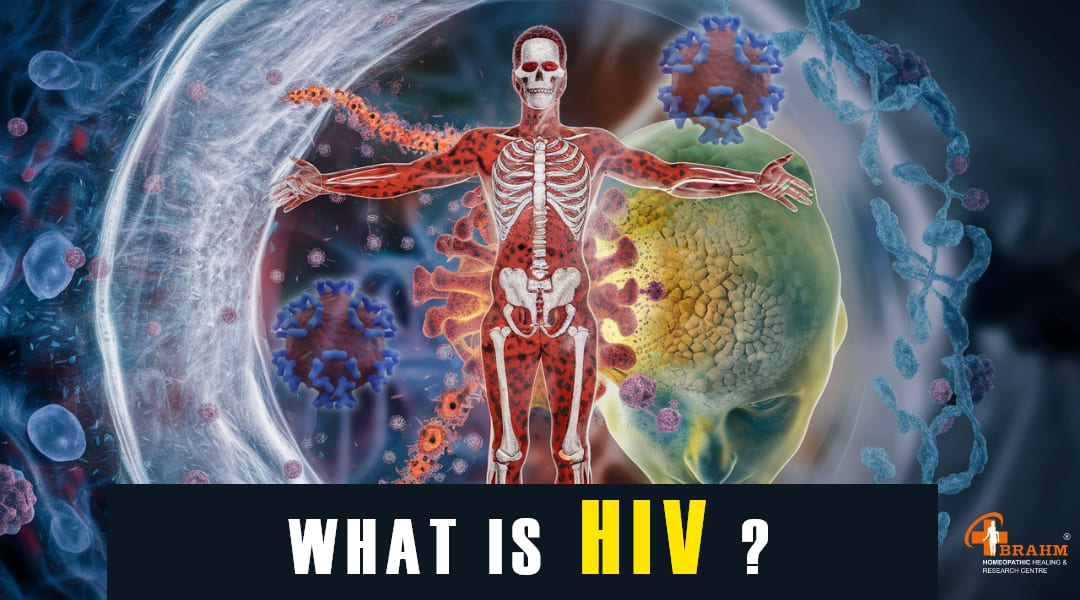
What is HIV? HIV (Human Immunodeficiency Virus) is a virus that attacks the body's immune system, specifically the CD4 cells (T-cells), which are crucial in fighting infections. If left untreated, HIV can lead to the development of Acquired Immunodeficiency Syndrome (AIDS), a condition characterized by a severely weakened immune system. Causes of HIV: • Sexual contact: Unprotected intercourse with infected person. • Blood-to-blood contact: Sharing needles, receiving contaminated blood transfusions, or exposure to infected blood. • Mother-to-child transmission: HIV transmission during pregnancy, childbirth, or breastfeeding.  Symptoms of HIV: • Variable based on infection stage. • Early stages may show flu-like symptoms: fever, sore throat, fatigue, muscle aches, rash, swollen lymph nodes. HIV Symptoms and Progression • Asymptomatic stage: Often not experienced for years. • Severe symptoms: Rapid weight loss, night sweats, frequent infections, persistent diarrhea, pneumonia, certain cancers. Diagnosis of HIV: HIV Diagnosis Process • ELISA: Detects presence of HIV antibodies. • Western blot: Identifies virus. • NATs: Analyzes nucleic acid content.  • Viral load tests: Assesses viral load. Types of HIV: There are two main types of HIV: 1. HIV-1: The most common and pathogenic strain, responsible for the majority of HIV infections globally. 2. HIV-2: A less virulent and less transmittable strain, primarily found in West Africa. Adverse Effects of HIV: • Opportunistic infections: Weakened immune system increases susceptibility to infections like pneumonia, tuberculosis, and certain cancers. • Neurological disorders: HIV affects brain and nervous system, leading to conditions like HIV-associated dementia and neuropathy. • Wasting syndrome: Rapid, severe weight loss, fatigue, diarrhea, and fever. • Increased risk of other conditions: Increased risk of cardiovascular disease, kidney disease, and certain cancers. Diet in HIV: HIV Diet Recommendations • Consume nutrient-rich foods like fruits, vegetables, whole grains, lean proteins, and healthy fats. • Increase caloric intake to prevent weight loss. • Ensure adequate intake of vitamins and minerals, especially those supporting immune function. • Stay hydrated and avoid alcohol and tobacco use. • Consult with a healthcare professional or nutritionist for personalized dietary advice. • With proper treatment and management, individuals can lead long, productive lives.
Avatar
best vitiligo treatment
What is Vitiligo? Vitiligo is a chronic autoimmune skin disorder characterized by the loss of pigmentation, resulting in irregular white patches on the skin. It occurs when the melanocytes, the cells responsible for producing melanin (the pigment that gives color to the skin, hair, and eyes), are destroyed or become inactive. Causes of Vitiligo: • Autoimmune Disorder: The immune system mistakenly attacks and destroys melanocytes, causing pigmentation loss. • Genetics: Individuals with a family history of vitiligo have a higher risk. • Oxidative Stress: Increased levels of oxidative stress may contribute to melanocyte destruction. • Triggers: Events like sunburn, skin injuries, or emotional stress can trigger vitiligo onset or progression. Symptoms of Vitiligo: • Development of white skin patches on face, hands, arms, legs, and mucous membranes. • Premature greying of hair in infected areas. • Loss of eye pigmentation (vitiligo of the iris). • Itching or discomfort in affected areas. Diagnosis of Vitiligo: • Physical examination by dermatologist. • Gathering medical history including family history, triggers, and symptoms. • Wood's lamp examination using ultraviolet light to highlight depigmented areas. Types of Vitiligo: • Non-segmental vitiligo: Common form with symmetrical white patches on both body sides. • Segmental vitiligo: White patches on specific body segments following nerve distribution. • Focal vitiligo: Small, isolated white patch. • Mucosal vitiligo: Loss of pigmentation in mucous membranes. Adverse Effects of Vitiligo: Vitiligo Impacts • Low self-esteem and social stigma. • Emotional distress, anxiety, depression. • Increased risk of sunburn and skin damage. • Potential vision problems if the iris is affected. Diet in Vitiligo: • Increase intake of antioxidant-rich foods: Consume fruits, vegetables, and berries to reduce oxidative stress. • Include foods rich in copper: Consume nuts, seeds, whole grains, and legumes for melanin production. • Stay hydrated: Drink plenty of water to develop skin health. • Consider supplements: Consider vitamin B12, folate, and vitamin C supplements, but consult a healthcare professional. • Diet alone cannot cure vitiligo but can complement medical treatment.
Avatar
slip disc treatment in homeopathy
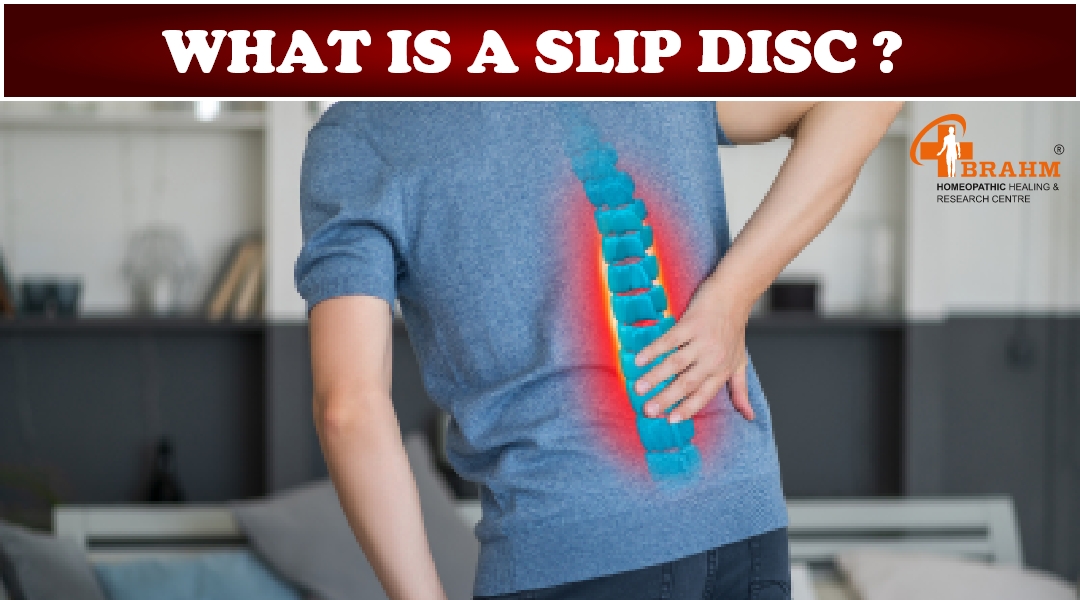
What is a Slip Disc? A slip disc, also known as a herniated or prolapsed disc, is a condition where one of the rubbery cushions (discs) between the vertebrae in the spine bulges or ruptures, causing the soft inner material to protrude out. Causes of Slip Disc: • Age-related degeneration: Loss of flexibility in spine discs increases herniation risk. • Injury or trauma: Sudden physical stress or trauma can cause disc herniation. • Repetitive movements: Activities involving repetitive bending, twisting, or lifting increase risk. • Obesity: Excess weight strains discs, increasing herniation risk. • Genetics: Predisposition to weaker discs or spinal conditions increases risk. Symptoms of Slip Disc: • Back pain: Sharp, shooting, or radiating pain in the lower back or neck. • Leg or arm pain: Pain, numbness, or tingling that radiates down the affected extremity. • Muscle weakness: Compression of the nerve root can lead to muscle weakness or movement difficulty. • Numbness or tingling: Nerve compression can cause sensations in the extremities. Diagnosis of Slip Disc: • Medical history and physical examination: Assessing symptoms, neurological tests, and checking for movement or muscle weakness. • Imaging tests: MRI or CT scans for detailed spine images and identification of herniated discs or nerve compression. • Nerve conduction studies or EMG: Assessing extent of nerve damage or compression caused by the herniated disc. Types of Slip Disc: • Protrusion: Bulging disc material within outer layer (annulus fibrosus). • Extrusion: Rippling disc material into spinal canal. • Sequestration: Fragment breaks off and separates from main disc. Adverse Effects of Slip Disc: • Chronic pain due to persistent nerve root compression. • Muscle weakness and atrophy due to prolonged nerve compression. • Bladder or bowel dysfunction in rare cases due to severe nerve compression. • Permanent nerve damage and disability if not treated promptly. Diet in Slip Disc: • Maintain a healthy weight to prevent disc herniation and pain. • Increase consumption of anti-inflammatory foods like omega-3 fatty acids. • Stay hydrated to maintain proper disc hydration and nutrient delivery. • Limit inflammatory foods like processed foods, sugary drinks, and saturated fats. • Consider supplements like glucosamine, chondroitin, or turmeric. • Effective management involves pain management, physical therapy, exercise, and surgery. Balanced diet, healthy weight, and spine-minimizing lifestyle aid recovery.
Avatar
best psoriasis in homeopathy
What is Psoriasis? Psoriasis is a chronic autoimmune skin condition characterized by the rapid buildup of rough, dry, red patches covered with silvery scales. It occurs when the life cycle of skin cells accelerates, causing an overproduction of new cells that accumulate on the skin's surface. Causes of Psoriasis: • Genetics: Strong genetic component, family history increases risk. • Immune System Dysfunction: In autoimmune disorders, the body's immune system attacks healthy skin cells. • Environmental Triggers: Stress, infections, skin injuries, medications, and lifestyle habits can trigger or worsen flare-ups. Symptoms of Psoriasis: • Red, raised inflamed skin patches with silvery-white scales.• Itching or burning sensation in infected areas.• Dry, cracked skin that may bleed. • Thickened nails with ridges or discolouration. • Joint pain or swelling (in psoriatic arthritis cases). Diagnosis of Psoriasis: • Physical examination by dermatologist. • Gathering medical history including family history, triggers, and symptoms. • Skin biopsy for microscopic confirmation of diagnosis. Types of Psoriasis: • Plaque Psoriasis: Common, raised, red patches covered with silvery scales.• Guttate Psoriasis: Small, drop-like lesions scattered across the body, often triggered by infection. • Inverse Psoriasis: Smooth, red lesions in body folds. • Pustular Psoriasis: Pus-filled blisters on the skin, often localized or widespread. • Erythrodermic Psoriasis: Severe, red, and inflamed skin. Adverse Effects of Psoriasis: • Causes emotional distress, anxiety, and depression. • Leads to low self-esteem and social isolation. • Increases risk of cardiovascular disease, diabetes, psoriatic arthritis. • Causes skin infections due to cracked or bleeding lesions. Diet in Psoriasis: • Increase intake of anti-inflammatory foods: Omega-3 fatty acids, fatty fish, nuts, seeds, and antioxidant-rich fruits and vegetables. • Limit pro-inflammatory foods: Reduce processed foods, refined carbohydrates, saturated fats, and sugary drinks. • Stay hydrated: Drink plenty of water to keep skin hydrated and promote cell shedding. • Consider supplements: Consult a healthcare professional before taking fish oil, vitamin D, or curcumin. • Diet alone may not cure psoriasis but can complement treatment.
Avatar
Ovarian Cysts
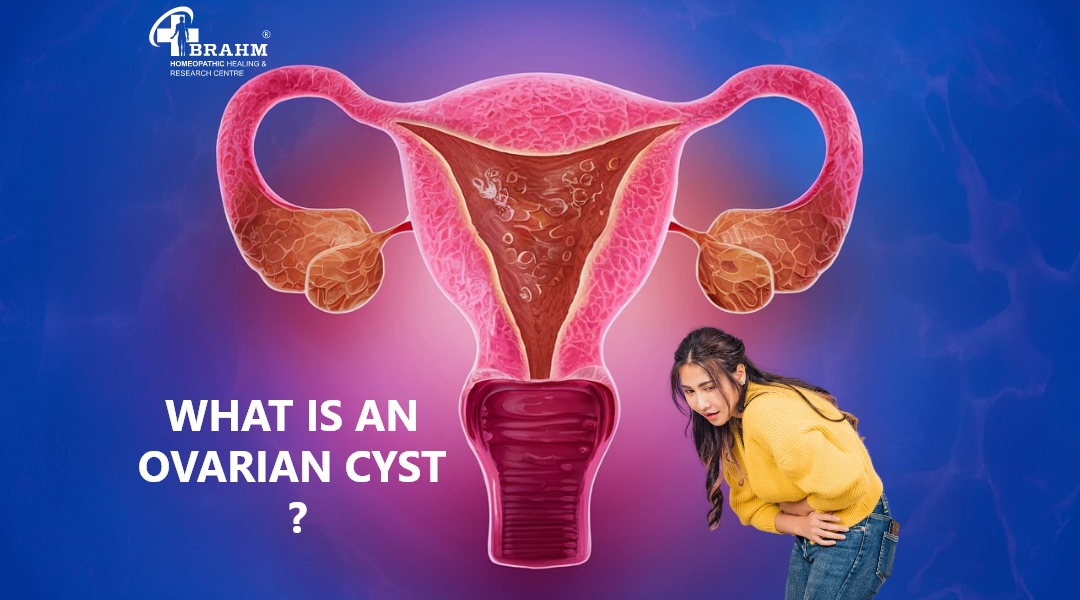
What is an Ovarian Cyst? An ovarian cyst is a fluid-filled sac that develops on or within an ovary. Ovaries are the female reproductive organs that produce eggs (ova) and hormones like estrogen and progesterone. Causes of Ovarian Cysts: • Hormonal imbalances: Fluctuations in hormone levels during menstruation can lead to cyst formation. • Polycystic ovary syndrome (PCOS): A hormonal disorder can result in multiple small cysts. • Endometriosis: A condition where endometrial tissue grows outside the uterus, potentially leading to cyst formation. • Pregnancy: Hormonal changes during pregnancy can cause cyst development. • Certain fertility drugs and medications can increase cyst risk. Symptoms of Ovarian Cysts: • Pelvic discomfort. • Abdominal bloating or swelling. • Painful intercourse. • Painful periods. • Severe nausea or vomiting. • Breast tenderness. Diagnosis of Ovarian Cysts: • Pelvic examination: Healthcare provider may detect cyst during physical exam. • Ultrasound: Primary imaging tool for detecting and evaluating cysts. • Blood tests: Hormonal or tumor marker tests may be ordered to determine cyst type or rule out ovarian cancer. Types of Ovarian Cysts: • Functional cysts: Develop during menstrual cycle and resolve independently. • Dermoid cysts: Contain various tissue types like hair, teeth, or skin. • Cystadenomas: Fluid-filled cysts, benign or malignant. • Endometriomas: Ovarian cysts associated with endometriosis, filled with old blood. Adverse Effects of Ovarian Cysts: • Ovarian torsion: Large or twisting cysts can cut off blood supply to the ovary. • Rupture: Severe abdominal pain and internal bleeding can occur. • Infertility: Some cysts can contribute to fertility issues during pregnancy. • Ovarian cancer: Some types may increase the risk of ovarian cancer. Diet in Ovarian Cysts: • Reduce refined carbohydrates and sugars to prevent hormonal imbalances. • Increase fiber-rich foods like fruits, vegetables, and whole grains for regular bowel movements and reduced estrogen levels. • Include omega-3 fatty acids like fatty fish and nuts to reduce inflammation. • Stay hydrated to reduce bloating and discomfort. • Manage stress, maintain a healthy weight, and avoid smoking to reduce risk of ovarian cyst development.
Avatar
best Fatty Liver treatment in homeopathy
What is Fatty Liver?Fatty liver, otherwise called hepatic steatosis, is a condition where excess fat gathers in the liver cells. It can advance to additional serious liver infections whenever left untreated. Causes of Fatty Liver: • Obesity and metabolic syndrome: Excess body weight, especially abdominal fat accumulation. • Diabetes: Insulin resistance and high blood sugar levels linked to fatty liver disease. • Alcohol consumption: Heavy, prolonged alcohol consumption can cause fatty liver disease. • Certain medications: Corticosteroids, cancer drugs, and certain antibiotics can contribute to fatty liver. • Rapid weight loss: Crash diets or weight-loss surgery can lead to fatty liver. Symptoms of Fatty Liver: • Initial symptoms: Fatigue, weakness. • Abdominal discomfort or pain. • Enlarged liver (hepatomegaly). • Jaundice (yellowing of skin and eyes). • Nausea and loss of appetite. Diagnosis of Fatty Liver: • Blood tests: Detect elevated liver enzymes indicating liver damage. • Imaging tests: Ultrasound, CT scan, or MRI visualize fat accumulation. • Liver biopsy: Confirm diagnosis and assess condition severity with a small liver tissue sample.  Types of Fatty Liver: • Non-alcoholic Fatty Liver Disease (NAFLD): Uncaused by alcohol, linked to obesity, diabetes, metabolic syndrome. • Alcoholic Fatty Liver Disease (AFLD): Caused by prolonged excessive alcohol consumption. Adverse Effects of Fatty Liver: • Non-alcoholic steatohepatitis (NASH): Inflammation and liver cell damage, leading to scarring and cirrhosis. • Cirrhosis: Advanced scarring impairs liver function, increasing risk of liver failure and cancer. • Liver cancer: Individuals with cirrhosis have higher risk of hepatocellular carcinoma. fatty liver treatment?  Diet in Fatty Liver: • Weight loss: A balanced, calorie-controlled diet can reduce liver fat accumulation. • Limiting refined carbohydrates and sugars: Reducing processed foods and added sugars improves insulin sensitivity and reduces liver fat deposition. • Increasing fiber intake: High-fiber foods like fruits, vegetables, whole grains, and legumes aid in weight management and liver health. • Choosing healthy fats: Focus on monounsaturated and polyunsaturated fats from sources like olive oil, avocados, nuts, and fatty fish. • Avoiding alcohol: Regular physical activity and maintaining a healthy weight are crucial. In severe cases, medication or treatments may be necessary. non-alcoholic fatty liver disease treatments?  Homeopathy and Disease Cure • Homeopathy is curable, regardless of the duration of illness. • Early treatment is faster for chronic conditions and later stages. • Intelligent individuals start treatment as soon as they observe any symptoms. Brahm Homeopathic Healing & Research Centre Treatment Plan • Brahm's research-based, scientific treatment module is effective in curing diseases. • A team of qualified doctors systematically observes and analyzes cases. • They record signs, symptoms, disease progression, prognosis, and complications. • They provide detailed disease information, diet charts, exercise plans, and lifestyle plans. • They guide individuals on improving general health conditions through systematic management of homeopathic medicines.
Avatar
ocd treatment in homeopathic
What is OCD? Over the top Impulsive Problem (OCD) is an emotional well-being condition portrayed by meddling contemplations, fixations, and dull ways of behaving or impulses. It is an uneasiness problem that can altogether upset day to day existence and cause critical misery. Reasons for OCD: The specific reason for OCD isn't completely perceived, yet a few variables are accepted to add to its turn of events: 1. Hereditary elements: OCD will in general disagreement families, recommending a hereditary part. 2. Cerebrum science: Irregular characteristics in the degrees of serotonin and different synapses in the mind might assume a part in OCD. 3. Natural elements: Distressing life altering situations, injury, or diseases during youth might expand the gamble of creating OCD. 4. Mind structure: Anomalies in specific region of the cerebrum associated with navigation, propensity arrangement, and close to home handling have been connected to OCD. Side effects of OCD: -The essential side effects of OCD include:  1. Fixations: Persevering, meddling considerations, pictures, or urges that cause tension or pain. 2. Impulses: Dull ways of behaving or mental demonstrations performed to mitigate the uneasiness brought about by fixations. 3. Tedious ceremonies: Investing over the top energy performing enthusiastic customs or staying away from circumstances that trigger fixations. 4. Nervousness and pain: Extreme sensations of uneasiness or trouble when incapable to do impulses or when fixations continue. Finding of OCD: OCD is commonly analyzed through an extensive assessment by an emotional wellness proficient, which might include: 1. Clinical meeting: The emotional well-being proficient will assemble data about the singular's side effects, fixations, impulses, and their effect on day to day existence. 2. Mental evaluation: Normalized surveys and rating scales might be utilized to survey the seriousness of OCD side effects. 3. Clinical assessment: Actual assessments and tests might be led to preclude any basic ailments. Sorts of OCD: OCD can appear in changed structures, and the fixations and impulses can differ from one individual to another. A few normal sorts of OCD include: 1. Pollution OCD: Fanatical apprehension about microbes, soil, or tainting, prompting unnecessary cleaning or washing ceremonies. 2. Really taking a look at OCD: Determined questions and the need to more than once actually look at things, like locks, machines, or security insurances. 3. Balance OCD: Over the top requirement for request, evenness, or orchestrating objects with a particular goal in mind. 4. Storing OCD: Trouble disposing of or relinquishing assets, prompting inordinate accumulating. Unfavorable Impacts of OCD: Untreated OCD can altogether affect a singular's personal satisfaction and prosperity, prompting: 1. Interruption of everyday exercises: Fixations and impulses can consume a lot of time, obstructing work, school, or social exercises. 2. Relationship strain: OCD can strain associations with loved ones because of the significant investment consumed by fixations and impulses. 3. Expanded hazard of sorrow and tension: OCD frequently co-happens with other emotional well-being conditions, for example, gloom and nervousness problems. 4. Actual medical conditions: Inordinate hand-washing or different impulses can prompt skin bothering, wounds, or other actual medical problems. medicines for ocd -Fanatical Urgent Issue Medicines  • Mental Conduct Treatment (CBT): ERP, Openness and Reaction Anticipation, distinguishes and change contorted speculation examples and convictions adding to OCD side effects. • Medicine: Specific Serotonin Reuptake Inhibitors (SSRIs) assist with controlling serotonin levels in the mind, decreasing OCD side effects. • Consolidated Treatment (CBT and Drug): A mix of CBT and prescription is prescribed for moderate to serious OCD. • Family Treatment/Backing: Family schooling and support can give a strong climate and assist relatives with answering properly to OCD side effects. • Care based Treatments: Acknowledgment and Responsibility Treatment (ACT) and Care Based Mental Treatment (MBCT) can be useful assistants to CBT and drug. • Profound Cerebrum Excitement (DBS): A neurosurgical strategy embedding cathodes in unambiguous mind regions is considered for serious, treatment-safe instances of OCD. • The best treatment plan frequently includes a blend of approaches custom fitted to the singular's particular necessities and inclinations. Diet in OCD: While there is no particular eating regimen suggested for OCD, a decent and nutritious eating regimen can uphold generally mental and actual prosperity. A few dietary proposals might include: 1. Expanding admission of food sources wealthy in omega-3 unsaturated fats, like greasy fish, nuts, and seeds, as they might assist with diminishing aggravation and backing cerebrum wellbeing. 2. Consuming various products of the soil, which give fundamental nutrients, minerals, and cancer prevention agents that help generally speaking wellbeing. 3. Restricting caffeine and liquor, as they can compound nervousness and obstruct treatment. 4. Remaining hydrated by drinking a lot of water, as parchedness can deteriorate nervousness side effects. While diet alone can't fix OCD, a fair and sound eating routine can uphold in general prosperity and may assist with overseeing side effects when joined with other treatment draws near, like mental conduct treatment (CBT) and drug. ocd treatment? While Brahm homeopathy, a part of customary homeopathic medication, has demonstrated powerful in treating different illnesses, the administration of Fanatical Urgent Issue (OCD) stays a test inside its ongoing degree. The complex idea of OCD, described by tenacious and nosy considerations, impulses, and ceremonial ways of behaving, frequently requires a diverse methodology that might reach out past the capacities of Brahm homeopathy alone. Notwithstanding, it is generally recognized that early mediation is vital in the administration of OCD, and Brahm homeopathy might offer potential advantages when people look for treatment at the underlying phases of the problem. By addressing the fundamental lopsided characteristics and triggers adding to the advancement of fixations and impulses, homeopathic cures, joined with way of life changes and directing, can some of the time reduce gentle to direct side effects and forestall further movement of the condition.
Avatar
Photodermatitis treatment in homeopathy
What is Photodermatitis? Photodermatitis, otherwise called sun harming or photosensitivity, is a skin condition portrayed by a rash or other incendiary response brought about by openness to daylight or different wellsprings of bright (UV) radiation. It is a sort of photosensitive problem where the skin turns out to be unusually delicate to light. Causes of Photodermatitis: • Certain meds: Anti-infection agents, calming medications, and chemotherapy medications can increment skin aversion to daylight. • Plant synthetics: Openness to specific plants like limes, celery, and parsley can set off photodermatitis response. • Hereditary problems: Inborn circumstances like porphyria and xeroderma pigmentosum can increment photosensitivity. • Skin conditions: Lupus and dermatitis can increment skin aversion to daylight. Symptoms of Photodermatitis: • Rash or rankles: Red, irritated, consuming rash or rankles on uncovered skin. • Enlarging: Side effects might become enlarged or puffy. • Torment or delicacy: Rash or rankles might be agonizing or delicate. • Stripping or scaling: Skin might begin stripping or scaling following a couple of days. Diagnosis of Photodermatitis: • Clinical history: Analyzes openness to prescriptions, enhancements, or plants. • Actual assessment: Analyzes rash or rankle conveyance. • Phototesting: Affirms photosensitivity determination by uncovering a fix of skin to UV radiation. Photodermatitis Types: • Phytophotodermatitis: Brought about by openness to establish synthetics and daylight. • Drug-incited photosensitivity: Brought about by meds expanding skin's daylight responsiveness. • Idiopathic photodermatitis: Happens without known cause.  Photodermatitis Adverse Effects: • Skin staining: Brief or extremely durable staining or hyperpigmentation. • Scarring: Serious cases can prompt extremely durable skin harm. • Expanded skin malignant growth risk: Photosensitivity builds UV openness incited skin disease risk. Photodermatitis Management Guidelines: • Keeping away from phytophotodermatitis-causing plants: Keep away from limes, celery, and parsley. • Expanding cancer prevention agent admission: Consume products of the soil wealthy in cell reinforcements to safeguard skin from UV harm. • Remaining hydrated: Drink a lot of water to keep up with skin wellbeing and forestall drying out. • Staying away from sun openness during top hours: Limit openness to forestall eruptions. • Appropriate sun security: Wear defensive dress and utilize expansive range sunscreen.
Avatar
Phobia treatment
What is Phobia? A phobia is an intense, irrational fear or anxiety triggered by a specific object, situation, or activity that poses little or no actual danger. It is a type of anxiety disorder characterized by excessive and persistent fear that can significantly impair daily functioning. Causes of Phobia • Genetic predisposition: Phobias may have a hereditary component. • Traumatic experiences: Negative experiences, especially in childhood, can lead to phobia development. • Brain chemistry: Imbalances in neurotransmitters like serotonin and dopamine may contribute to phobia development. • Environmental factors: Phobias can develop through observational learning. Symptoms of Phobia • Intense, overwhelming fear or anxiety triggered by the presence or anticipation of a specific object or situation. • Panic attacks: Intense physical symptoms like rapid heartbeat, shortness of breath, trembling, and sweating. • Avoidance behavior: Going to great lengths to avoid the feared object or situation, even if it disrupts daily life. • Anticipatory anxiety: Experiencing distress by thinking about the feared object or situation. • Physical symptoms: Nausea, dizziness, headaches, or stomach problems. Diagnosis of Phobia Phobia Diagnosis Process • Clinical interview: Gathers information about symptoms, fears, and daily impact. • Psychological assessment: Uses questionnaires and rating scales to assess phobia severity. • Medical evaluation: Conducts physical examinations and tests to rule out underlying medical conditions. Types of Phobia Phobias are classified into different types based on the specific object or situation that triggers the fear. Some common types include: 1. Specific phobias: Fears related to specific objects or situations, such as heights (acrophobia), animals (zoophobia), or enclosed spaces (claustrophobia). 2. Social phobia: Intense fear of social situations, such as public speaking or meeting new people. 3. Agoraphobia: Fear of being in situations where escape might be difficult or embarrassing, such as crowded places or public transportation. Adverse Effects of Phobia Untreated Phobias Impact on Quality of Life • Limits opportunities and personal growth. • Leads to social isolation and strained relationships. • Increases risk of developing mental health conditions like depression or substance abuse. • Causes physical health problems like headaches, digestive issues, and chronic stress-related illnesses. Diet in Phobia Dietary Recommendations for Phobias  • Increase intake of omega-3 fatty acids like fatty fish, nuts, and seeds. • Consume a variety of fruits and vegetables for essential vitamins, minerals, and antioxidants. • Limit caffeine and alcohol to prevent exacerbated anxiety and interference with treatment. • Stay hydrated to prevent worsening of anxiety symptoms. • Diet alone cannot cure phobias, but can support overall well-being and manage symptoms when combined with other treatment approaches. phobia treatment Homeopathy and Disease Cure  • Homeopathy is curable, regardless of the duration of illness. • Early treatment is faster for chronic conditions and later stages. • Intelligent individuals start treatment as soon as they observe any symptoms. Brahm Homeopathic Healing & Research Centre Treatment Plan  • Brahm's research-based, scientific treatment module is effective in curing diseases. • A team of qualified doctors systematically observes and analyzes cases. • They record signs, symptoms, disease progression, prognosis, and complications. • They provide detailed disease information, diet charts, exercise plans, and lifestyle plans. • They guide individuals on improving general health conditions through systematic management of homeopathic medicines.
Avatar
Tinnitus treatment in homeopathy
What is Tinnitus? Tinnitus is the clinical term for the impression of sound in the ears or head when no outside strong source is available. It is much of the time portrayed as a ringing, humming, murmuring, whistling, or murmuring commotion. Causes for Tinnitus? - Clamor prompted hearing loss (openness to uproarious commotions) - Age-related hearing loss - Earwax blockage - Changes in bone and muscle structure around the ear - Temporomandibular joint (TMJ) messes - Head or neck wounds - Certain prescriptions - Cardiovascular issues (e.g., hypertension) - Acoustic neuroma (a non-c@ncer0us cancer on the primary nerve from the ear to the mind) Symptoms of Tinnitus? The fundamental side effect of tinnitus is the impression of sound in the ears or head without a trace of outside commotion. This sound can be discontinuous or consistent and may shift in pitch and uproar. Diagnosis of Tinnitus? - Clinical history and actual assessment - Hearing tests (audiometry) - Imaging tests (CT examine, X-ray) to preclude hidden conditions Types of Tinnitus? There are two fundamental sorts of tinnitus:  1. Abstract tinnitus: Just the patient can hear the sound. 2. Objective tinnitus: The sound can be heard by an eyewitness, typically brought about by muscle constrictions or blood stream. Adverse Effects of Tinnitus? Albeit not a hazardous condition, tinnitus can essentially influence personal satisfaction, causing: - Rest unsettling influences - Stress and nervousness - Fixation hardships - Misery - Hearing misfortune (at times) Diet in Tinnitus? While there is no particular eating regimen for tinnitus, a few people might track down help by restricting their admission of salt, caffeine, and liquor, which can disturb tinnitus side effects. Everything Would Say to You About Tinnitus? may not necessarily in every case underline the likely effect of tinnitus on emotional well-being and the significance of overseeing pressure and nervousness. They may likewise not talk about the expected symptoms of long haul prescription use or the job of elective treatments like sound treatment or mental social treatment (CBT). Convectional Treatment: Tinnitus Treatment Choices • Listening devices for hearing misfortune. • Sound treatment to veil or smother tinnitus sound. • Mental conduct treatment (CBT) for stress and nervousness the executives. • Tinnitus retraining treatment (TRT) to adjust to the sound. • Prescription (antidepressants, anticonvulsants) for serious cases. Treatment Guide: • Distinguish and address basic ailments. • Utilize sound treatment or listening devices. • Integrate CBT or TRT for adapting. • Think about drug for extreme cases. • Embrace way of life changes like pressure the executives, exercise, and commotion aversion.
Avatar
Gastritis treatment
What is Gastritis? Gastritis is the general term used to describe inflammation or irritation of the stomach lining (gastric mucosa). This inflammation can occur acutely or chronically and can be caused by various factors, including bacterial infections, excessive alcohol consumption, prolonged use of certain medications, and autoimmune disorders. Causes of Gastritis: -Gastritis Causes and Risk Factors • Helicobacter pylori infection: Causes chronic gastritis and increases risk of stomach ulcers and cancer. • Excessive alcohol consumption: Irritates stomach lining, leading to gastritis. • Nonsteroidal anti-inflammatory drugs (NSAIDs): Damages stomach lining and causes gastritis. • Bile reflux: Inflammation and irritation from small intestine bile back into stomach. • Autoimmune disorders: Immune system attacks stomach lining. • Stress and diet: Prolonged stress and spicy, acidic, or processed foods contribute to gastritis. Symptoms of Gastritis: Gastritis Symptoms: • Abdominal pain or discomfort. • Nausea, vomiting. • Bloating. • Loss of appetite. • Burning sensation in upper abdomen/chest. • Belching, hiccups, indigestion. Diagnosis of Gastritis: To diagnose gastritis, your doctor may perform the following tests: • Physical examination and medical history review • Blood tests to check for H. pylori infection or other underlying conditions • Endoscopy (a procedure that uses a tiny camera to examine the stomach lining) • Biopsy (taking a small tissue sample from the stomach lining for analysis) Types of Gastritis: Gastritis Types Overview • Acute gastritis: Caused by food poisoning, excessive alcohol, or certain medications. • Chronic gastritis: Long-lasting, caused by H. pylori infection, autoimmune disorders, or prolonged exposure to irritants. • Erosive gastritis: Stomach lining eroded or ulcers develop due to excessive alcohol or NSAID use. • Atrophic gastritis: Thinning and deterioration of stomach lining, reduced stomach acid production, increased risk of stomach cancer. Medicine for Gastritis: -Homeopathy and Disease Cure • Homeopathy is curable, regardless of the duration of illness. • Early treatment is faster for chronic conditions and later stages. • Intelligent individuals start treatment as soon as they observe any symptoms. Brahm Homeopathic Healing & Research Centre Treatment Plan  • Brahm's research-based, scientific treatment module is effective in curing diseases. • A team of qualified doctors systematically observes and analyzes cases. • They record signs, symptoms, disease progression, prognosis, and complications. • They provide detailed disease information, diet charts, exercise plans, and lifestyle plans. • They guide individuals on improving general health conditions through systematic management of homeopathic medicines. Adverse Effects of Gastritis: • Stomach ulcers. • Gastrointestinal bleeding. • Increased risk of stomach cancer. • Malnutrition and vitamin deficiencies. Diet in Gastritis: Dietary modifications can help manage gastritis symptoms and promote healing. A gastritis diet typically involves: • Avoiding spicy, acidic, and fried foods • Limiting alcohol and caffeine consumption • Eating smaller, more frequent meals • Increasing intake of fruits, vegetables, whole grains, and lean proteins • Staying hydrated by drinking plenty of fluids What Doctors Won't Tell You About Gastritis: Gastritis Management Tips • Stress management: Chronic stress can exacerbate symptoms and hinder healing. Techniques like meditation, yoga, or counseling can be beneficial. • Probiotics: They restore gut health and reduce inflammation. • Lifestyle changes: Address smoking, excessive alcohol, and unhealthy diets for long-term management. Conventional Treatment and Treatment Guide for Gastritis: Gastritis Treatment Approach • Antibiotics: Prescribed for H. pylori infection, often combined with acid-reducing medications. • Antacids: Temporary relief from gastritis symptoms by neutralizing stomach acid. • Lifestyle modifications: Adopting a healthy diet, reducing stress, quitting smoking, and limiting alcohol consumption. • Collaboration with healthcare provider for personalized treatment plan.
Avatar
best ibs treatment
What is IBS? Bad tempered Gut Condition (IBS) is an ongoing practical gastrointestinal problem described by stomach torment or inconvenience, bulging, and changed gut propensities. A typical condition influences the digestive organ (colon) and can fundamentally influence personal satisfaction. Reasons for IBS: The specific reason for IBS isn't surely known, yet a few elements are accepted to assume a part: • Strange stomach motility: Sporadic withdrawals in the digestion tracts can cause stomach torment. • Instinctive extreme touchiness: Expanded aversion to typical stomach boosts can cause inconvenience. • Stress and mental variables: Stress, tension, and wretchedness can intensify side effects. • Dietary factors: Certain food sources might set off side effects. • Stomach microorganisms irregularity: Dysbiosis in the stomach microbiome may add to IBS improvement. Side effects of IBS: • Stomach torment or squeezing: Repeating uneasiness or agony in the midsection, frequently feeling better by a defecation. • Swelling: A sensation of over the top gas or completion in the midsection. • Modified inside propensities: Loose bowels, clogging, or a mix of both. • Different side effects: Bodily fluid in stools, fragmented solid discharges, and desperation to have a defecation. Analysis of IBS: IBS is analyzed in view of a mix of side effects and precluding other ailments. • Clinical history and actual assessment • Blood tests to check for different problems • Stool tests to preclude diseases or incendiary circumstances • Colonoscopy or endoscopy to look at the intestinal system Sorts of IBS: IBS is arranged into three principal types in view of the prevalent entrails propensity:  • IBS-D (IBS with loose bowels) • IBS-C (IBS with obstruction) • IBS-M (IBS with blended gut propensities) Antagonistic Impacts of IBS: While not dangerous, IBS can fundamentally influence personal satisfaction and lead to inconveniences, for example, • Supplement lacks because of unfortunate retention • Hemorrhoids or butt-centric crevices from stressing during solid discharges • Tension, misery, and social seclusion • Missed work or school because of incessant side effects   Diet in IBS: IBS Side effect The executives Approaches: • Low-FODMAP diet: Briefly dispose of fermentable starches to decrease gas, swelling, and stomach torment. • Slow expansion in fiber consumption: Dissolvable and insoluble strands direct solid discharges. • Stay away from trigger food sources: Stay away from dairy, caffeine, liquor, greasy/broiled food varieties, and fake sugars. • Remain hydrated: Hydrate and liquids to forestall obstruction. While there is no remedy for IBS, a blend of dietary changes, stress the board, and meds (if necessary) can assist with overseeing side effects and work on personal satisfaction. Medication for IBS: Homeopathy and Illness Fix • Homeopathy is reparable, no matter what the length of ailment. • Early therapy is quicker for persistent circumstances and later stages. • Shrewd people start treatment when they notice any side effects.   Brahm Homeopathic Recuperating and Exploration Center Treatment Plan  • Brahm's exploration based, logical treatment module is viable in relieving sicknesses. • A group of qualified deliberately notices and breaks down cases. • They record signs, side effects, sickness movement, visualization, and confusions. • They give definite illness data, diet outlines, practice plans, and way of life plans. • They guide people on further developing general ailments through methodical administration of homeopathic medications.
Avatar
Ganglion cyst treatment
What is Ganglion cyst? Ganglion sores are little, liquid filled bumps that develop close to joints or ligaments in the wrists, hands, feet, or lower legs. They are noncancerous, harmless protuberances loaded up with a thick, tacky, clear, dry, or gel-like liquid. Normal areas incorporate the wrist (63%), hand (18%), foot (9%), and knee (1%). They are most normal in individuals matured 20-40 and can cause torment, shivering, deadness, or muscle shortcoming in the event that they push on adjacent nerves. Treatment relies upon the reason. What are the symptoms of a ganglion cyst? • Lump or Swollen Area: Visible lump under the skin, usually around the wrist, hand, ankle, or foot near a joint or tendon. • Pain and Discomfort: Larger cysts can cause dull pain or aching sensations if they press on a nerve or restrict joint movement. • Limited Range of Motion: If the cyst presses on a joint or tendon, it can restrict movements and flexibility. • Tingling or Numbness: When the cyst compresses a nerve, it can cause pins and needles sensations, tingling, or numbness. • Visible Lump Changes: The lump may appear more prominent or "stick out" with repeated movements and can change size over time. • Seeking medical evaluation is recommended for larger cysts causing symptoms. What causes a ganglion cyst? • Joint or tendon injury/trauma: Minor injuries or trauma can cause synovial fluid leakage, forming a cyst under the skin. • Joint or tendon overuse: Repetitive stress or overuse of a joint or tendon can lead to synovial fluid leakage and cyst formation. • Osteoarthritis: Wear-and-tear changes in joints can allow synovial fluid to leak out and form a cyst. • Genetic predisposition: Certain individuals may have inherited tendencies or structural issues that increase their susceptibility to ganglion cysts. • Joint deformities: Conditions like arthritis or injury can increase the risk of a ganglion cyst forming. • Common locations: Wrist and hand due to increased joint motion and higher risk of injuries or overuse.  what is home treatment for ganglion cyst on hand? • Immobilization: Rest and immobilize the affected hand and wrist to reduce movements causing the cyst to enlarge. • Ice application: Apply an ice pack or cold compress to the cyst for 10-15 minutes daily to reduce inflammation and pain. • Over-the-counter medications: Take anti-inflammatory like ibuprofen or naproxen to alleviate pain and swelling. • Hand exercises: Gentle stretching and range-of-motion exercises can encourage fluid drainage from the cyst. • Ganglion cyst massage: Massage the cyst in a firm, circular motion several times a day to break up fluid and allow resorption. • Avoiding aggravating activities: Avoid activities that put excessive stress on the affected hand and wrist. • Monitoring for changes: Observe the cyst for changes in size, pain levels, or movement limitation and seek medical attention if it worsens. Ganglion cyst hand treatment? -Homeopathy and Disease Cure • Homeopathy is curable, regardless of the duration of illness. • Early treatment is faster for chronic conditions and later stages. • Intelligent individuals start treatment as soon as they observe any symptoms. Brahm Homeopathic Healing & Research Centre Treatment Plan  • Brahm's research-based, scientific treatment module is effective in curing diseases. • A team of qualified doctors systematically observes and analyzes cases. • They record signs, symptoms, disease progression, prognosis, and complications. • They provide detailed disease information, diet charts, exercise plans, and lifestyle plans. • They guide individuals on improving general health conditions through systematic management of homeopathic medicines.
Avatar
7 Ways to Overcome Depression Without Medication | Depression se bahar kese nikale
What is Depression? Depression is a typical yet risky state of mind sickness. It is frequently alluded to as significant despondency, significant burdensome problem, or clinical sadness. Extreme side effects result, which affect an individual's state of mind, considerations, and capacity to go about ordinary undertakings including eating, dozing, and working.The side effects of melancholy should be available for at least fourteen days to be recognized.Sorrow arrives in different structures, some of which are welcomed on by specific circumstances. What are the signs and symptoms of Depression? Assuming you have been encountering a portion of the accompanying signs and side effects, the greater part of the day, virtually consistently, for something like fourteen days, you might have gloom: Constant miserable, restless, or "void" temperamentSensations of sadness or negativitySensations of peevishness, disappointment, or fretfulnessSensations of culpability, uselessness, or vulnerabilityLoss of interest or delight in leisure activities and exercisesWeariness, absence of energy, or feeling dialed backTrouble thinking, recalling, or simply decidingTrouble resting, waking too soon toward the beginning of the day, or sleeping lateChanges in craving or impromptu weight changesActual throbs or torments, migraines, spasms, or stomach related issues without an unmistakable actual reason that don't disappear with treatmentContemplations of death or self destruction or self destruction endeavors What are the Causes of Depression? • Depression: An Intricate Interchange of Social, Mental, and Natural Variables• Depression originates from an intricate interchange of social, mental, and natural variables. • Ominous life altering situations like joblessness, misfortune, and mishaps can prompt gloom.• Awfulness can grow into more pressure, brokenness, and demolish the singular's life circumstance.• Sadness is firmly connected to genuine medical problems, with many elements influencing melancholy additionally connected to gamble with factors for illnesses like cardiovascular sickness, malignant growth, diabetes, and respiratory infections. What are the Diagnosis of Depression? Depression Analysis Cycle • Side effects should be available for something like 2 weeks, described by a discouraged state of mind or loss of interest in exercises.• Youngsters and teenagers might display peevishness rather than misery.• Side effect seriousness, recurrence, and term shift per person.• Discussion with a medical services supplier is prescribed to figure out the side effects, their length, recurrence, and effect on everyday exercises.• Notes about side effects can be useful before the visit. Does depression look the same in everyone? Age-Specific Impact of Depression • Children may exhibit restlessness, reluctance, and stress.• Established children and teenagers may cause issues at school, causing frustration, anxiety, and low confidence.• They may experience issues like anxiety, dietary problems, depression/hyperactivity confusion, or substance use issues.• Older children and adolescents may experience hypersomnia and increased craving.• Young adults may be negative, complain of weight gain, hypersomnia, and have a negative outlook on life.• Moderately aged adults may experience more burdensome episodes, reduced charisma, sleep deprivation, and stomach issues.• Older adults may experience trouble, sadness, or other subtle side effects.• They may also have other ailments or pain that can cause or add to sadness. Medicine for Depression: Homeopathy and Disease Cure • Homeopathy is curable, regardless of the duration of illness.• Early treatment is faster for chronic conditions and later stages.• Intelligent individuals start treatment as soon as they observe any symptoms. Brahm Homeopathic Healing & Research Centre Treatment Plan • Brahm's research-based, scientific treatment module is effective in curing diseases.• A team of qualified doctors systematically observes and analyzes cases.• They record signs, symptoms, disease progression, prognosis, and complications.• They provide detailed disease information, diet charts, exercise plans, and lifestyle plans.• They guide individuals on improving general health conditions through systematic management of homeopathic medicines.
Avatar
how to cure Sciatica problem | Sciatica ko kese thik kare | Sciatica ke liye yoga
What is Sciatica? Sciatica is a condition portrayed by torment, deadness, or shivering sensations along the sciatic nerve, which runs from the lower back, through the bottom, and down the legs. It is brought about by pressure or bothering of the sciatic nerve. Causes of Sciatica? The most well-known reasons for sciatica include: • Herniated or swelling plate in the spine (circle herniation)• Degenerative circle sickness• Spinal stenosis (restricting of the spinal trench)• Piriformis disorder (disturbance of the sciatic nerve by the piriformis muscle)• Pregnancy• Cancers or different developments pushing on the sciatic nerve Symptoms of Sciatica? The primary side effects of sciatica include: • Sharp, shooting torment in the lower back, posterior, and down one or the two legs• Deadness or shivering sensations in the impacted leg• Shortcoming or trouble moving the impacted leg• Torment that deteriorates with hacking, sniffling, or sitting for delayed periods Diagnosis of Sciatica? Diagnosis regularly includes: - Clinical history and actual assessment- Straight leg raise test- Imaging tests (X-beams, X-ray, CT check) to distinguish the basic reason Medicine for Sciatica: Homeopathy and Disease Cure • Homeopathy is curable, regardless of the duration of illness.• Early treatment is faster for chronic conditions and later stages.• Intelligent individuals start treatment as soon as they observe any symptoms. Brahm Homeopathic Healing & Research Centre Treatment Plan • Brahm's research-based, scientific treatment module is effective in curing diseases.• A team of qualified doctors systematically observes and analyzes cases.• They record signs, symptoms, disease progression, prognosis, and complications.• They provide detailed disease information, diet charts, exercise plans, and lifestyle plans.• They guide individuals on improving general health conditions through systematic management of homeopathic medicines. Types of Sciatica? There are two principal kinds of sciatica: 1. Intense sciatica: Unexpected beginning of side effects, frequently because of a plate herniation or injury.2. Persistent sciatica: Dependable or intermittent side effects, frequently connected with degenerative circumstances. Unfavorable Impacts of Sciatica? Whenever left untreated, sciatica can prompt different intricacies, including: • Super durable nerve harm• Muscle shortcoming or decay• Trouble strolling or standing• Persistent torment and incapacity Diet in Sciatica: While there is no particular eating routine for sciatica, keeping a solid weight and devouring mitigating food sources (e.g., organic products, vegetables, omega-3 unsaturated fats) may assist with decreasing irritation and torment. What Doctors Won't Tell You About Sciatica? may not necessarily underscore the significance of way of life alterations, like ordinary activity, legitimate stance, and stress the executives, in overseeing sciatica. They may likewise not examine the possible results of long haul prescription use or the job of corresponding treatments like needle therapy or chiropractic care. Customary Treatment: Regular treatment choices for sciatica include: • Over-the-counter or solution torment meds (e.g., NSAIDs, muscle relaxants)• Active recuperation and activities• Epidural steroid infusions• Medical procedure (in serious or relentless cases, for example, discectomy or laminectomy) Treatment Guide: The treatment for sciatica ordinarily includes a blend of approaches: 1. Rest and movement adjustment to decrease strain on the sciatic nerve.2. Over-the-counter torment meds or physician endorsed prescriptions for help with discomfort and irritation decrease.3. Active recuperation and activities to further develop adaptability, fortify center muscles, and advance recuperation. It's fundamental for work intimately with a medical services proficient to foster a suitable therapy plan and screen progress.
Avatar
chronic Constipation treatment in hoomeopathy | how to cure costipation permanently | apach ko kese thik kare
What is Constipation? Constipation is a condition described by rare defecations or trouble in passing stools. It is by and large characterized as having less than three solid discharges each week or stressing exorbitantly to pass hard, dry stools. Causes of Constipation? Common causes of constipation include: - Absence of fiber in the eating regimen- Lack of hydration or deficient liquid admission- Absence of active work or stationary way of life- Certain meds (e.g., iron enhancements, antidepressants, narcotics)- Bad tempered gut condition (IBS)- Pregnancy- Maturing- Neurological problems (e.g., Parkinson's illness, numerous sclerosis) Symptoms of Constipation? The primary elements of Constipation include: - Inconsistent defecations (less than three every week)- Stressing during defecations- Passing hard, dry, or uneven stools- Sensation of fragmented exhausting after a defecation- Stomach uneasiness, bulging, or torment Diagnosis of Constipation? Constipation is ordinarily analyzed in light of the patient's side effects and clinical history. Now and again, the accompanying tests might be performed: - Actual assessment- Blood tests (to preclude fundamental circumstances)- Colonoscopy or sigmoidoscopy (to check for underlying anomalies) Medicine for Constipation: Homeopathy and Disease Cure • Homeopathy is curable, regardless of the duration of illness.• Early treatment is faster for chronic conditions and later stages.• Intelligent individuals start treatment as soon as they observe any symptoms. Brahm Homeopathic Healing & Research Centre Treatment Plan • Brahm's research-based, scientific treatment module is effective in curing diseases.• A team of qualified doctors systematically observes and analyzes cases.• They record signs, symptoms, disease progression, prognosis, and complications.• They provide detailed disease information, diet charts, exercise plans, and lifestyle plans.• They guide individuals on improving general health conditions through systematic management of homeopathic medicines. Types of Constipation? Constipation can be characterized into two fundamental sorts: 1. Chronic constipation: Tenacious or intermittent clogging over an extensive stretch.2. Acute constipation: A brief or unexpected beginning of Constipation, frequently because of dietary changes, prescription, or different elements. Adverse Effects of Constipation? Whenever left untreated, stoppage can prompt different complexities, including: - Hemorrhoids- Butt-centric gaps- Waste impaction- Rectal prolapse- Stomach agony and distress- Queasiness and regurgitating Diet in Constipation? An eating regimen high in fiber and sufficient liquid admission can help ease and forestall Constipation. Great wellsprings of fiber incorporate organic products, vegetables, entire grains, and vegetables. Drinking a lot of water and keeping away from unnecessary utilization of caffeine and liquor is likewise suggested. What Doctors Won't Tell You About Constipation?  may not necessarily in all cases underscore the significance of way of life alterations, like expanding actual work and overseeing pressure, in treating stoppage. They may likewise not talk about the expected results of long haul purgative use or the job of probiotics and elective treatments in overseeing Constipation. Conventional Treatment? Customary treatment choices for Constipation include: - Over-the-counter intestinal medicines (energizer, osmotic, or building- Physician recommended meds.- Purifications or suppositories- Biofeedback treatment- Medical procedure (in serious or persistent cases)
Avatar
What is Ulcerative Colitis? |symptoms of ulcerative colitis | Ulcerative colitis ko ke thik kare
What is Ulcerative Colitis? Ulcerative colitis is a constant provocative gut illness (IBD) that causes irritation and ulcers in the covering of the digestive organ (colon) and rectum. It is an immune system problem, where the body's invulnerable framework goes after its own gastrointestinal tissues. Causes of Ulcerative Colitis? The specific reason for ulcerative colitis is unknown, however it is accepted to result from a mix of hereditary and ecological elements. Potential causes include: • Immune system dysfunction• Hereditary qualities (family ancestry)• Natural triggers (diet, stress, contaminations) Symptoms of Ulcerative Colitis? Normal side effects of ulcerative colitis include: • Stomach torment and squeezing• Ridiculous loose bowels• Desperation to have a defecation• Weakness and weight reduction• Fever and queasiness (in serious cases) Diagnosis of Ulcerative Colitis? Determination includes a blend of: • Clinical history and actual assessment• Blood tests (to check for irritation and frailty)• Stool tests (to check for blood, contamination, or different anomalies)• Colonoscopy (to inspect the colon and take biopsies outwardly) What are the types of Ulcerative Colitis? Ulcerative colitis can be arranged in light of the degree of aggravation: • Ulcerative proctitis (irritation in the rectum)• Proctosigmoiditis (irritation in the rectum and sigmoid colon)• Left-sided colitis (irritation in the rectum, sigmoid, and diving colon)• Pancolitis (irritation all through the whole colon) Adverse effects of Ulcerative Colitis? Expected difficulties of ulcerative colitis include: • Serious dying• Crack of the colon (hole) • Harmful megacolon (uncommon, hazardous difficulty)• Expanded hazard of colon disease• Lack of healthy sustenance and drying out Diet in Ulcerative Colitis During eruptions, a low-fiber, low-buildup diet might be prescribed to lessen digestive disturbance. At the point when disappearing, a decent eating regimen with sufficient nourishment is significant. What doctors won't tell you about Ulcerative Colitis?  may not necessarily underscore the likely effect on personal satisfaction, the significance of stress the executives, or the job of corresponding and elective treatments. Traditional Treatment Ulcerative Colitis treatment in homeopathy • Homeopathy is curable, regardless of the duration of illness.• Early treatment is faster for chronic conditions and later stages.• Intelligent individuals start treatment as soon as they observe any symptoms. Brahm Homeopathic Healing & Research Center Treatment Plan • Brahm's research-based, scientific treatment module is effective in curing diseases.• A team of qualified doctors systematically observes and analyzes cases.• They record signs, symptoms, disease progression, prognosis, and complications.• They provide detailed disease information, diet charts, exercise plans, and lifestyle plans.• They guide individuals on improving general health conditions through systematic management of homeopathic medicines. Conventional treatment & Treatment guide of Ulcerative Colitis: The treatment approach for ulcerative colitis includes: • Actuating abatement during eruptions utilizing meds and dietary changes.• Keeping up with abatement through long haul drug and way of life changes.• Checking for inconveniences and taking into account a medical procedure if important. A multidisciplinary approach including gastroenterologists, dietitians, and psychological wellness experts is frequently prescribed to successfully oversee ulcerative colitis.
Brahm homeo Logo
Brahm Homeopathy
Typically replies within an hour
Brahm homeo
Hi there 👋

How can we help you?
NOW
×
Chat with Us