CAPTCHA  

Already register click here to Login

Dont have account click here for Register

CAPTCHA  
Thank You
Ok

Diseases

Avatar
vitiligo best treatment
What is the main cause of vitiligo? The primary cause of vitiligo is a condition where the skin's pigmentation is damaged or damaged. Autoimmune and genetic causes of vitiligo Here there are some latest vitiligo causes by adopting to raise awareness about the disease • According to the autoimmune theory, vitiligo may be an autoimmune condition. • A lot of people with vitiligo also have other autoimmune diseases. • People who have vitiligo or other autoimmune diseases in their family are more likely to develop it. Neurogenic factors suggest that melanocytes may be harmed by biochemical substances released by skin nerve endings Vitiligo Triggers and Hormonal Changes:- vitiligo is improved with the following conditions and the position of our human body. Ecological Triggers: Sunburn, exposure to certain chemicals, extreme pressure, and skin injury can trigger vitiligo in defenseless individuals. Viral Diseases:- Some experts suggest viral infections could accelerate vitiligo in hereditarily predisposed individuals. Viral diseases may activate the immune system against melanocytes. Homoeopathy give natural remedies for vitiligo as par body temperature. Hormonal Changes: Changes in chemical levels during puberty, pregnancy, or thyroid issues can affect vitiligo progression. Hormonal changes can influence resistant reactions and oxidative stress, potentially affecting melanocyte function. TYPES OF VITILIGO:- vitiligo may be triggered by particular events, such as Stress, skin damage, hormonal changes, liver/kidney problems, exposure to chemicals. Non-segmental vitiligo:- The most common form, is characterized by symmetrical depigmentation across the body, affecting areas like the face, hands, arms, feet, elbows, knees, and genitalia. Common form with symmetrical white patches on both body sides. It is often linked to autoimmune disorders like thyroid diseases and type 1 diabetes. Genetic predisposition and family history increase susceptibility. vitiligo cure was stable with homoeopathy treatment. Treatment options include topical corticosteroids, phototherapy, excimer laser treatment, depigmentation therapy, and surgical options like skin grafting. The condition can significantly impact an individual's psychological well-being, and supportive interventions like counselling and support groups can help manage emotional aspects. Segmental vitiligo:- One kind of vitiligo that is distinct from others is segmental vitiligo, which is typified by unilateral, isolated areas of skin depigmentation. Unlike non-segmental vitiligo, it exclusively affects one side of the body and does not extend over the midline. Typically, it first appears in childhood or adolescence, earlier in life. Unlike non-segmental vitiligo, segmental vitiligo progresses steadily. Although the precise origin is unknown, autoimmune processes resembling those of other autoimmune illnesses are thought to be involved. Since segmental vitiligo is less frequently linked to other autoimmune diseases, it may be due to distinct immunological and genetic causes. Topical medications, phototherapy, and surgical techniques such as melanocyte transplantation are available as forms of treatment. Segmental vitiligo may have less of an effect on general body image because it is localized. FOCAL VITILIGO:-Its beginning stage, FOCAL (central) vitiligo commonly shows up as little, separated patches of depigmented skin. These patches are limited to explicit regions of the body and are described by a deficiency of melanin, bringing about lighter patches contrasted with the encompassing skin. The depigmented regions may at first be unpretentious (unaffected)and little, frequently showing up as disconnected spots or fixes. This early show recognizes central vitiligo from additional far and wide types of the condition, where the depigmentation will in general be greater and even across bigger regions of the body. Early discovery and observation are essential to evaluate the movement of central vitiligo and decide suitable treatment systems to oversee and possibly switch depigmentation. Mucosal vitiligo :- Refers to the condition where areas of the body's moist linings, like the lips, inside the mouth, or genital area, lose their natural pigment, resulting in lighter patches. This happens because the cells that produce pigment (melanocytes) are damaged or destroyed, leading to a noticeable contrast in color on these surfaces. Treating mucosal vitiligo can be challenging due to the sensitive nature of these areas and the potential for treatments to cause irritation. Some individuals may respond well to therapies like topical creams, light treatments, or even surgery to restore pigment. However, because mucosal vitiligo affects sensitive and visible areas, managing its impact on appearance and quality of life is an important part of treatment. SYMPTOMS OF VITILIGO DIEASEASE:-Vitiligo: A Comprehensive Overview To reduce the level of vitiligo, apply suggestions and tips, and visit the treatment page for more information:-https://www.brahmhomeo.com/disease-details/best-vitiligo-treatment/195 . • Vitiligo is a condition characterized by depigmented patches on the skin, varying in size, shape, and distribution. • These patches can appear anywhere on the body and can be localized to specific areas or spread widely. • The patches often have a symmetrical pattern, appearing bilaterally on corresponding body parts. • It affects people of any skin tone but is more noticeable in darker individuals. • It can also cause changes in hair color in affected areas. • The psychological impact of vitiligo can lead to emotional distress, reduced self-esteem, and anxiety. • Comprehensive care often involves counseling, support groups, and education about the condition. Vitiligo Diagnosis Process • Physical examination: Dermatologists inspect the skin for depigmented patches, typically lighter than surrounding skin due to lack of melanin. • Wood's lamp examination: The affected skin is viewed under ultraviolet light, making patches more distinct. • Skin biopsy: A small sample of skin is taken from the affected area, examined under a microscope to confirm absence of melanocytes and rule out other conditions causing depigmentation.  RECOMMENDED DIET FOR VITILIGO:- • Increase intake of antioxidant-rich foods: Consume fruits, vegetables, and berries to reduce oxidative stress. • Include foods rich in copper: Consume nuts, seeds, whole grains, and legumes for melanin production. • Stay hydrated: Drink plenty of water to develop skin health. • Consider supplements: Consider vitamin B12, folate, and vitamin C supplements, but consult a healthcare professional. • Diet alone cannot cure vitiligo but can complement medical treatment. White patches on the skin due to vitiligo:- White patches on the skin are a characteristic point of vitiligo, a condition where melanocytes, the cells responsible for producing skin color( melanin), are destroyed or inactive. These depigmented patches appear as areas of skin that warrant the usual achromatism, performing in patches that are lighter or white compared to the girding skin. The appearance of white patches in vitiligo can vary extensively in size, shape, and position. They may originally start small and also enlarge over time, or they may remain stable without significant change. For more information you can follow the given link which describe the main cause and treatment of vitiligo .https://www.brahmhomeo.com/tip-details/vitiligo-treatment/240.  The patches can go anywhere on the body but are generally set up on sun-exposed areas similar as the face, hands, arms, bases, elbows, knees, and genital area. They may also appear on lower exposed areas like the armpits, groin, or around body openings( eyes, nostrils, and mouth). The distribution of white patches in vitiligo can be symmetrical, meaning they frequently appear on both sides of the body in corresponding locales. This symmetrical pattern is particularly conspicuous in non-segmental vitiligo, the most common form of the condition. While vitiligo itself isn't physically painful or dangerous, the visible changes in skin saturation can have significant emotional and cerebral impacts on individualities. numerous people with vitiligo experience reduced tone- regard, anxiety, and enterprises about their appearance due to the discrepancy between the depigmented patches and the girding skin. you may adopt the latest vitiligo treatment from the Brahmhomoeo research and healing centre.. Why does vitiligo spread? Vitiligo may flare or spread due to Stress. Sunburn, cuts, or other skin damage. Chemical exposure.It's not a form of skin cancer. It's not an infection like MRSA. And it's surely not contagious, so you can not catch it from someone differently. In fact, almost of the people who have vitiligo are every bit as healthy as everyone else. Yes, vitiligo can be considered heritable. Indeed though vitiligo isn't rigorously associated with family genetics, it can run in families. roughly 30 of people with the condition will have a family history of vitiligo. thus, children won't get vitiligo rigorously because a parent hasit.Vitiligo is not painful, but it can spread fleetly, significantly changing your appearance overtime.However, you may witness adverse symptoms similar as tone- knowledge, anxiety, If you are not comfortable with the changes in your skin.  PROGNOSIS IN HOMEOPATHY  It is curable with homeopathic treatment. Since how long you are suffering from disease, has to do a lot with treatment plan. No matter, since when are you suffering from your disease either from recent time or since many years -everything is curable with us but in early stage of disease, you will be cured faster. For chronic conditions or in later stage or in case of many years of suffering, it will take longer time to be cured. Intelligent person always start treatment as early as observe any sign and symptom of this disease, so immediately contact us as soon as you observe any abnormality in you. Prognosis in homeopathy Vitiligo is curable with homeopathic treatment. Since how long you are suffering from disease, has to do a lot with treatment plan. No matter, since when are you suffering from your disease either from recent time or since many years -everything is curable with us but in early stage of disease, you will be cured faster. For chronic conditions or in later stage or in case of many years of suffering, it will take longer time to be cured. Intelligent person always start treatment as early as observe any sign and symptom of this disease, so immediately contact us as soon as you observe any abnormality in you. TREATMENT PLAN OF BRAHM HOMEOPATHIC HEALING & RESEARCH CENTRE Brahm research based, clinically proved, scientific treatment module is very effective in curing this disease. We have a team of well qualified doctors who observe and analysis your case systematically, record all the signs and symptoms along with progress of disease, understand its stages of progression, prognosis and its complications. After that they clear you about your disease in details, provide you proper diet chart [what to eat or what not to eat], exercise plan, life style plan and guide you about many more factors that can improve your general health condition with systematic management of your disease with homeopathic medicines till it get cured.
Avatar
eczema treatment
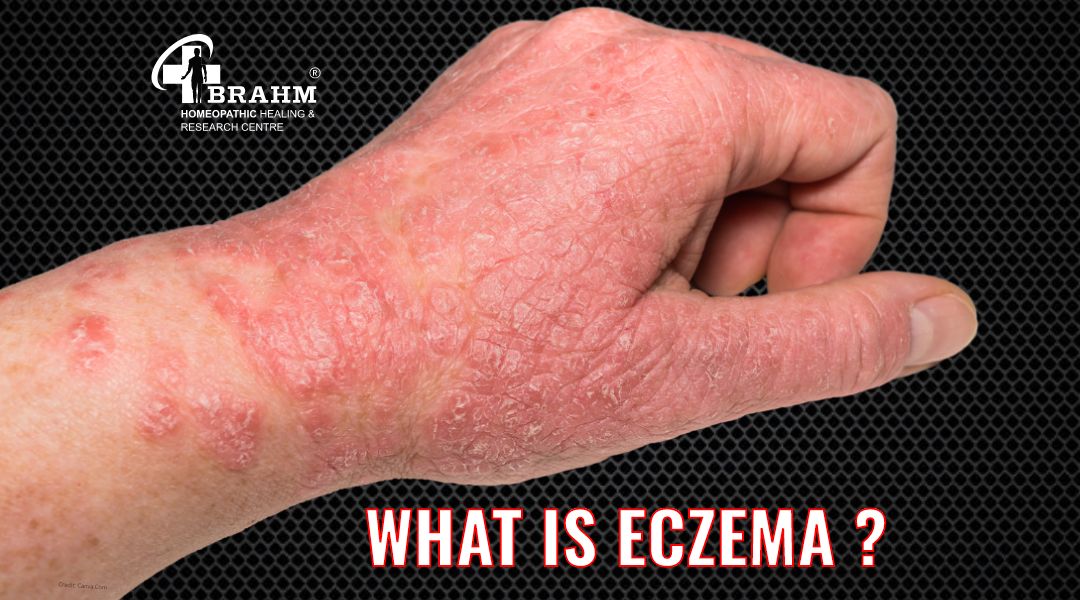
What is Eczema? Eczema, also known as atopic dermatitis, is a chronic inflammatory skin condition characterized by dry, itchy, and inflamed skin. It's a common disorder affecting millions of people worldwide, from infants to adults. Eczema is not contagious but can significantly impact an individual's quality of life due to its persistent and often distressing symptoms. Causes of Eczema The exact cause of eczema remains unclear, but it's believed to result from a combination of genetic and environmental factors. Key contributors include: 1. Genetic predisposition: A family history of eczema, asthma, or allergies increases the risk. 2. Immune system dysfunction: An overactive immune response can lead to inflammation in the skin. 3. Environmental triggers: These may include: - Irritants (soaps, detergents, fragrances) - Allergens (dust mites, pollen, pet dander) - Climate conditions (extreme heat or cold, dry air) - Stress - Hormonal changes - Certain foods (in some cases) 4. Skin barrier defects: Some individuals with eczema have mutations in genes responsible for maintaining the skin barrier.  Symptoms of Eczema Eczema symptoms can vary in severity and location but typically include: 1. Dry, sensitive skin 2. Intense itching, especially at night 3. Red to brownish-gray patches, particularly on hands, feet, ankles, wrists, neck, upper chest, eyelids, and inside the bends of elbows and knees 4. Small, raised bumps that may leak fluid and crust over when scratched 5. Thickened, cracked, or scaly skin 6. Raw, sensitive, and swollen skin from scratching  Symptoms may flare periodically and then subside for a time.  Diagnosis of Eczema -Diagnosing eczema typically involves: 1. Medical history: The doctor will inquire about symptoms, family history, and potential triggers. 2. Physical examination: A thorough skin examination to assess the affected areas. 3. Patch testing: To identify potential allergens if allergic contact dermatitis is suspected. 4. Skin biopsy: In rare cases, to rule out other skin conditions. 5. Blood tests: Sometimes used to check for allergies or rule out other conditions. No specific test can definitively diagnose eczema, so diagnosis is often based on the characteristic appearance of the skin and the individual's history.  Types of Eczema There are several types of eczema, each with distinct characteristics: 1. Atopic Dermatitis: The most common form, often beginning in childhood. 2. Contact Dermatitis: Caused by contact with irritants or allergens. 3. Dyshidrotic Eczema: Characterized by small blisters on hands and feet. 4. Nummular Eczema: Presents as coin-shaped patches on the skin. 5. Seborrheic Dermatitis: Affects areas with many oil-producing glands, like the scalp. 6. Stasis Dermatitis: Occurs in the lower legs due to poor circulation. 7. Neurodermatitis: Characterized by thick, scaly patches caused by chronic scratching. Adverse Effects of Eczema -Eczema can lead to several complications: 1. Skin infections: Bacterial or viral infections due to broken skin from scratching. 2. Sleep disturbances: Intense itching can disrupt sleep patterns. 3. Psychological impact: Stress, anxiety, and depression related to the chronic nature of the condition and its visible symptoms. 4. Social and occupational challenges: Visible symptoms may affect social interactions and work performance. 5. Asthma and hay fever: Individuals with eczema are at higher risk for these conditions. 6. Allergic contact dermatitis: Increased susceptibility to skin reactions from various substances. 7. Neurodermatitis: Persistent scratching can lead to permanently thickened, discolored skin. Diet in Eczema While diet isn't a primary cause of eczema for most people, certain foods may trigger flare-ups in some individuals. Dietary considerations for eczema management include: 1. Identification of food triggers: Common culprits include dairy, eggs, nuts, soy, and wheat. An elimination diet under medical supervision can help identify triggers. 2. Anti-inflammatory foods: Incorporating foods rich in omega-3 fatty acids (like fatty fish), probiotics, and antioxidants may help reduce inflammation. 3. Hydration: Adequate water intake helps maintain skin hydration. 4. Vitamin D: Some studies suggest a link between vitamin D deficiency and eczema severity. 5. Avoiding processed foods: These often contain preservatives and artificial ingredients that may exacerbate symptoms in some individuals. 6. Balanced diet: A well-rounded diet supporting overall health and immune function is beneficial. It's important to note that dietary changes should be made under the guidance of a healthcare professional, as overly restrictive diets can lead to nutritional deficiencies, especially in children. In conclusion, eczema is a complex, chronic skin condition that requires a multifaceted approach to management. While there's no cure, symptoms can often be effectively controlled through proper skin care, trigger avoidance, and appropriate treatments prescribed by healthcare providers. Ongoing research continues to enhance our understanding of eczema and develop new therapeutic strategies.
Avatar
gbs treatment in homeopathy
Guillain-Barre Syndrome (GBS): Guillain-Barre syndrome (GBS) is a rare but serious autoimmune disorder affecting the peripheral nervous system. It occurs when the body's immune system mistakenly attacks its own nerves, leading to rapid-onset muscle weakness and, in some cases, paralysis. This article will explore the various aspects of GBS, including its causes, symptoms, diagnosis, types, adverse effects, and dietary considerations.  What is Guillain-Barre Syndrome (GBS)? GBS is an acute inflammatory demyelinating polyneuropathy that affects the peripheral nerves. It typically begins with weakness and tingling in the extremities, which can quickly spread and intensify. In severe cases, it can lead to complete paralysis of the body, including respiratory muscles, necessitating mechanical ventilation.  Causes of Guillain-Barre Syndrome (GBS) The exact cause of GBS remains unknown, but it often follows a viral or bacterial infection. Some potential triggers include: 1. Campylobacter jejuni (a common cause of food poisoning) 2. Influenza virus 3. Epstein-Barr virus 4. Cytomegalovirus 5. Zika virus 6. Mycoplasma pneumoniae  In rare cases, GBS has been associated with: • Certain vaccinations (though the risk is extremely low) • Surgery • Trauma It's important to note that while these factors may trigger GBS, the syndrome itself is not contagious.  Symptoms of Guillain-Barre  Syndrome (GBS) GBS symptoms typically develop rapidly over hours to days and may include:  1. Weakness or tingling sensations in the legs, which may spread to the arms and upper body 2. Difficulty with eye or facial movements 3. Difficulty speaking, chewing, or swallowing 4. Severe pain, particularly at night 5. Difficulty with bladder control or bowel function 6. Rapid heart rate 7. Low or high blood pressure 8. Difficulty breathing In severe cases, complete paralysis can occur, potentially leading to life-threatening complications. 
Avatar
Gastric Ulcer
What is a Gastric Ulcer? A gastric ulcer, also known as a stomach ulcer, is an open sore or erosion that develops in the lining of the stomach. It occurs when the protective mucous layer of the stomach is compromised, allowing the harsh gastric acids to damage the underlying tissue. Gastric ulcers are a type of peptic ulcer, which can also develop in the duodenum (duodenal ulcers). Causes of Gastric Ulcers Gastric Ulcer Causes • Helicobacter pylori infection: Wreaks stomach's protective lining and increases acid production. • Prolonged use of NSAIDs: Irritates stomach lining and increases ulcer risk. • Excess acid production: Erosion of stomach lining due to stomach's excessive acid production. • Smoking and alcohol: Irritation of stomach lining impairs healing ability. • Stress and spicy foods: Exacerbates ulcers or increases risk of developing them. Symptoms of Gastric Ulcers -Abdominal Pain and Food Intake • Burning or gnawing pain in upper abdomen. • Bloating and fullness after small food intake. • Frequent nausea or vomiting, sometimes with blood or coffee-ground-like material. • Loss of appetite and weight loss due to persistent ulcers. • Frequent heartburn or indigestion, especially after certain foods or drinks.  Diagnosis of Gastric Ulcers Medical Examination Procedures • Review of symptoms and medical history. • Physical examination to assess condition. • Upper endoscopy: Visual examination of stomach lining for ulcers or abnormalities. • Biopsy: Analysis of small tissue sample for H. pylori or underlying conditions. • Breath or stool tests: Detection of H. pylori infection, common cause of gastric ulcers.  Types of Gastric Ulcers H. Pylori-Associated and NSAID-Induced Ulcers • H. pylori-associated ulcers: Commonly caused by bacterial infection. • NSAID-induced ulcers: Prolonged use can lead to gastric ulcers. • Stress-related ulcers: Symptoms of severe physiological stress, like after surgery or trauma. Adverse Effects of Gastric Ulcers Ulcers and Health Risks • Bleeding: Severe ulcers can cause anemia or life-threatening hemorrhages. • Perforation: Ulcers can erode through stomach wall, allowing gastric contents to leak into the abdominal cavity. • Obstruction: If located near stomach outlet, it can block food passage into the small intestine. • Increased Risk of Stomach Cancer: Chronic H. pylori infection and long-standing ulcers can increase cancer risk.  Diet in Gastric Ulcers -Dietary Changes for Stomach Healing  • Avoid irritating foods: Avoid spicy, fried, acidic foods, alcohol, and caffeine. • Eat smaller, more frequent meals: Reduce acid production and alleviate discomfort. • Increase fruits and vegetables: Promote healing and provide essential nutrients. • Consume probiotic-rich foods: Restore gut bacteria balance and promote healing. • Stay hydrated: Drink plenty of fluids, especially water, to neutralize stomach acid. • Combination with medical treatment: Consider antibiotics or acid-reducing medications as recommended by a healthcare professional.
Avatar
back pain
What is Back Pain? Back pain is a common condition that affects the muscles, bones, and nerves in the back. It can range from a dull, constant ache to a sudden, sharp pain that can make it difficult to move or perform daily activities.  Causes of Back Pain: -Back pain can be caused by various factors, including: • Muscle or ligament strain: Repeated heavy lifting, awkward movements, or poor posture can strain back muscles and ligaments. • Bulging or ruptured discs: Pressure on nerves from bulging or ruptured discs can cause back pain. • Arthritis: Degeneration of spine joints can lead to back pain. • Skeletal irregularities: Conditions like scoliosis or spinal stenosis can contribute to back pain. • Osteoporosis: Bone weakening increases risk of vertebral fractures and back pain.  Symptoms of Back Pain: • Muscle ache or stiffness. • Shooting or stabbing pain. • Radiating pain down legs. • Limited flexibility or range of motion.  Diagnosis of Back Pain: • Medical history and physical examination. • X-rays, MRI, CT scans for bone and soft tissue visualization. • Nerve conduction studies or EMG for nerve function evaluation.  Types of Back Pain: • Acute: Short-term pain less than 6 weeks. • Chronic: Persistent pain over 3 months. • Lower: Pain in lumbar region. • Middle: Pain in thoracic region. • Upper: Pain in cervical and shoulder region.  Adverse Effects of Back Pain: • Reduced mobility and quality of life. • Depression and anxiety. • Inability to work or perform daily activities. • Dependence on pain medications and side effects. • Muscle weakness and atrophy due to inactivity.  Diet in Back Pain • Maintain a healthy weight to prevent strain on the back and worsen pain. • Increase intake of anti-inflammatory foods like omega-3 fatty acids to reduce inflammation. • Stay hydrated to maintain proper disc hydration and nutrient delivery to the spine. • Limit inflammatory foods like processed foods, sugary drinks, and saturated fats. • Consider supplements like glucosamine, chondroitin, or turmeric, but consult a healthcare professional. • Effective management often involves exercise, physical therapy, medication, and lifestyle modifications.
Avatar
Neurogenic bladder treatment
What is Neurogenic Bladder? Neurogenic bladder is a condition that occurs when the normal nerve pathways responsible for controlling bladder function are disrupted or damaged. This impairs the ability of the bladder to store and empty urine properly, leading to various urinary symptoms and complications. Neurogenic bladder can result from various neurological disorders or injuries affecting the brain, spinal cord, or peripheral nerves. Causes of Neurogenic Bladder • Spinal cord injuries: Traumatic injuries disrupt nerve pathways controlling bladder function. • Multiple sclerosis (MS): Affects central nervous system, including bladder control nerves. • Parkinson's disease: Degeneration of nerve cells affects bladder control nerves. • Diabetes: Uncontrolled diabetes can cause nerve damage, potentially affecting bladder function. • Stroke: Brain damage impairs bladder control nerve signals. • Spinal cord tumors or lesions: Growths or abnormalities in the spinal cord can compress or damage bladder control nerves. Symptoms of Neurogenic Bladder • Urinary incontinence: Inability to control urination, leading to leakage or unintentional voiding. • Urinary retention: Difficulty in emptying the bladder, increasing risk of urinary tract infections. • Urinary frequency or urgency: Uncontrollable urge to urinate more frequently. • Nocturia: Nighttime wakefulness to urinate. • Loss of bladder sensation: Difficulty in recognizing urinate need due to impaired bladder sensations. Diagnosis of Neurogenic Bladder • Medical history and physical examination: Doctors review symptoms, medical history, and physical examination to assess nerve function and bladder control. • Urinalysis and urine culture: These tests rule out urinary tract infections or other underlying conditions. • Bladder function tests: Urodynamic testing, cystoscopy, and post-void residual measurement evaluate bladder function and identify neurogenic causes. • Imaging tests: MRI or CT scans visualize brain, spinal cord, or other structures affecting bladder control. • Neurological tests: EMG or nerve conduction studies assess nerve damage or dysfunction.  Types of Neurogenic Bladder • Overactive Bladder: Caused by uninhibited bladder contractions due to nerve damage. • Underactive Bladder: Impairs bladder contractions due to nerve damage.. • Acontractile Bladder: Complete loss of bladder muscle function, leading to urinary retention and inability to empty the bladder voluntarily. Adverse Effects of Neurogenic Bladder • Increases risk of recurrent urinary tract infections (UTIs). • Causes kidney damage due to chronic urinary retention or high bladder pressure. • Leads to bladder stones due to stagnant urine. • Causes skin irritation, rashes, and potential skin breakdown if untreated. Diet in Neurogenic Bladder • Stay hydrated: Adequate fluid intake can prevent bladder stones or urinary tract infections. • Limit bladder irritants: Reduce intake of caffeine, alcohol, and spicy/acidic foods. • Promote regular bowel movements: Consume a high-fiber diet and stay hydrated to maintain regular bowel movements. • Consider cranberry supplements: These may prevent urinary tract infections by inhibiting bacterial adherence to the bladder walls. • Combining dietary changes with appropriate medical treatment is recommended for effective management.
Avatar
best piles treatment in homeopathic
What are Piles? Piles, also known as hemorrhoids, are swollen and inflamed veins located around the anus or in the lower rectum. They can develop inside the rectum (internal hemorrhoids) or under the skin around the anus (external hemorrhoids). Piles are a common condition, affecting millions of people worldwide, and can cause discomfort, pain, and bleeding. Causes of Piles • Chronic constipation: Increases pressure on rectum and anus veins, causing swelling and inflammation. • Pregnancy: Weight and hormonal changes during pregnancy and post-childbirth can cause piles. • Aging: Weakening supporting tissues in rectum and anus increase susceptibility to piles. • Obesity: Excess weight adds pressure to veins, increasing piles risk. • Prolonged sitting or standing: Activities involving prolonged sitting or standing increase pressure on veins in rectal area. Symptoms of Piles • Bleeding during bowel movements: Internal hemorrhoids can cause bright red blood on toilet tissue or in the bowl. • Itching or irritation around the anus: External hemorrhoids can cause intense itching, burning, or irritation. • Pain or discomfort: Both internal and external hemorrhoids can cause varying degrees of pain, especially during bowel movements. • Swelling or protrusion: External hemorrhoids can appear as swollen lumps or protrusions around the anus. • Mucus discharge: Internal hemorrhoids can cause mucus discharge or a feeling of wetness around the anus.  Diagnosis of Piles • Physical examination: Visual inspection of anal area and digital rectal examination for abnormalities or swollen veins. • Anoscopy or sigmoidoscopy: Use of lighted scope for examination of lower rectum and anus. • Colonoscopy: In some cases, colonoscopy may be recommended to rule out other conditions or examine the entire colon.  Types of Piles • Internal hemorrhoids: Located inside the rectum, not visible unless protruding through the anus. • External hemorrhoids: Develop under skin around the anus, swollen, painful lumps or protrusions.  Adverse Effects of Piles • Anemia: Chronic bleeding from internal hemorrhoids can lead to iron deficiency anemia. • Thrombosed hemorrhoids: A blood clot within an external hemorrhoid can cause severe pain, swelling, and inflammation. • Strangulated hemorrhoids: In rare cases, internal hemorrhoids can become strangulated, leading to severe pain and potential tissue death. • Fissures or fistulas: Untreated piles can lead to anal fissures or fistulas. Diet in Piles • Increase fiber intake: Consume fruits, vegetables, whole grains, and legumes for regular bowel movements and constipation prevention. • Stay hydrated: Drink plenty of fluids, especially water, to soften stools and prevent straining during bowel movements. • Limit intake of processed and spicy foods: These can irritate the digestive system and worsen piles.• Consider fiber supplements: Psyllium husk or methylcellulose can help maintain regular bowel movements. • Avoid foods that can cause constipation: Limit dairy products, processed meats, and refined grains. • Severe cases may require medical treatment, as recommended by a healthcare professional.
Avatar
male infertility treatment in homeopathy
What is Male Infertility? Male infertility is a condition in which a man is unable to impregnate a fertile woman after one year of regular, unprotected sexual intercourse. It is a widespread problem, affecting approximately one in seven couples globally. Male infertility can be caused by various factors that impair the production, quality, or delivery of sperm.  Causes of Male Infertility • Varicocele: Expansion of scrotum veins, affecting sperm production and quality. • Infections: Sexually transmitted infections like chlamydia or gonorrhea cause inflammation and scarring, affecting sperm quality and motility. • Hormonal imbalances: Hormone imbalances disrupt sperm production and sexual function. • Obstructive issues: Blockages in vas deferens or ejaculatory ducts prevent sperm release during ejaculation. • Environmental and lifestyle factors: Exposure to toxins, radiation, heat, alcohol, smoking, and certain medications. • Genetic disorders: Klinefelter syndrome, cystic fibrosis, and chromosomal abnormalities can contribute.  Symptoms of Male Infertility Male Infertility Symptoms • Often presents without obvious symptoms, affecting conceiving ability. • Potential signs include: - Sexual function problems: Erectile dysfunction, premature ejaculation, reduced libido. - Testicle pain or swelling: Varicocele or other testicular problems. - Hormonal imbalances: Decreased body hair, breast enlargement, muscle loss.  Diagnosis of Male Infertility • Semen analysis: Evaluates sperm quality, quantity, and motility. • Hormone testing: Measures testosterone, FSH, LH levels. • Imaging tests: Assesses male reproductive organ structure and identifies obstructions. • Genetic testing: Identifies underlying genetic disorders contributing to infertility. Types of Male Infertility • Idiopathic infertility: Unknown cause despite thorough evaluation. • Hormonal infertility: Hormonal imbalances or endocrine disorders impair sperm production and sexual function. • Obstructive infertility: Reproductive tract blockages prevent sperm release or transport. • Immunological infertility: Immune system may produce antibodies that impair sperm function.  Adverse Effects of Male Infertility • Stress and anxiety: Inability to conceive can cause significant stress and anxiety in couples. • Relationship strain: Infertility can strain relationships, leading to communication difficulties. • Depression and low self-esteem: Infertility can lead to feelings of inadequacy, depression, and low self-esteem in some men.  Diet in Male Infertility • Consume antioxidant-rich foods: Consume fruits, vegetables, nuts, and seeds to protect sperm from oxidative stress. • Consume zinc and selenium: Sources include oysters, beef, poultry, and whole grains. • Consume healthy fats: Omega-3 fatty acids in fish, nuts, and seeds support sperm membrane health and motility. • Limit processed foods and trans fats: Consume foods high in trans fats to prevent negative impact on sperm quality. • Stay hydrated: Adequate hydration is crucial for reproductive health and sperm production. • Consult with healthcare professionals for medical treatment and lifestyle modifications.
Avatar
spider veins treatment
What are Spider Veins? Spider veins, also known as telangiectasias, are small, dilated blood vessels that appear close to the surface of the skin. They are called "spider veins" because of their red, blue, or purple color and web-like or branching pattern, resembling a spider. Spider veins are usually found on the legs, thighs, and face, but they can occur anywhere on the body. Causes of Spider Veins • Genetics: Individuals with a family history of vein disorders are more likely to develop spider veins. • Hormonal changes: Fluctuations in hormone levels during pregnancy, puberty, and menopause increase the risk of spider veins. • Obesity: Excess weight increases pressure on veins, making them more visible. • Prolonged standing or sitting: Extended periods of inactivity or prolonged sitting/standing can pressure veins in the legs. • Trauma or injury: Skin injuries or trauma can damage veins, forming spider veins. Symptoms of Spider Veins • Visible skin appearance. • Aching or cramping in affected area. • Itching or burning sensation around veins. • Swelling or heaviness in legs, especially in lower extremities.  Diagnosis of Spider Veins • Physical examination by healthcare professional. • Additional tests may be ordered to rule out underlying conditions or evaluate vein problem extent. • Duplex ultrasound: Uses sound waves to evaluate vein structure and function. • Venography: Injects contrast dye into veins, visualizes vein structure, identifies blockages or abnormalities.  Types of Spider Veins • Leg spider veins: Commonly found on thighs, calves, and ankles. • Facial spider veins: Often found around the nose, cheeks, and chin. • Arm or hand spider veins: Less common but can develop on arms or hands.  Adverse Effects of Spider Veins • Pain or discomfort: Can cause aching, cramping, or burning sensation. • Skin changes: Can cause discoloration, thickening, or ulceration over time. • Bleeding: Can rupture and bleed, especially if located on legs or injured. Diet in Spider Veins • Increase fiber intake: A fiber-rich diet promotes healthy blood circulation and prevents constipation. • Consume bioflavonoids: Consuming foods rich in bioflavonoids strengthens and supports vein walls. • Stay hydrated: Drinking plenty of water improves blood flow and prevents blood clot formation. • Limit salt and processed foods: A high-sodium diet can lead to fluid retention and increased pressure on veins. • Consider supplements: Horse chestnut, butcher's broom, and vitamin C may improve vein health. • Note: Dietary changes may not completely eliminate spider veins; medical treatments like sclerotherapy, laser therapy, or surgery may be recommended.
Avatar
cervical spondylosis
What is Cervical Spondylosis? Cervical spondylosis, also known as cervical osteoarthritis or neck arthritis, is a degenerative condition that affects the cervical spine (neck region). It occurs when the cartilage and bones in the neck gradually deteriorate over time, leading to the formation of bone spurs, disc degeneration, and narrowing of the spaces through which the spinal cord and nerve roots pass. Causes of Cervical Spondylosis • Age: Increased risk due to natural neck wear and tear. • Genetics: Predisposition to degenerative spine conditions. • Injury or trauma: Accelerating degenerative process. • Occupational factors: Repetitive neck movements or heavy loads. • Obesity: Excess weight exerts additional pressure on the spine. Symptoms of Cervical Spondylosis • Neck pain and stiffness: Often worsens with movement or activity. • Radiculopathy: Radiating pain, numbness, or tingling sensations in the shoulders, arms, or hands due to nerve compression. • Headaches: Chronic or recurrent headaches, often starting at the skull base and radiating towards the forehead or temples. • Weakness or clumsiness: Severe nerve compression can cause weakness or coordination loss in arms or hands. • Difficulty walking or balance problems: Spinal cord compression can lead to gait disturbances or balance issues. Diagnosis of Cervical Spondylosis • Review of medical history and physical examination. • Ordering of imaging tests like X-rays, CT scans, or MRI. • EMG and nerve conduction studies to evaluate nerve function. Types of Cervical Spondylosis • Cervical disc degeneration: Gradual breakdown and dehydration of intervertebral discs, leading to disc bulging or herniation. • Cervical osteophytes (bone spurs): Bony outgrowths forming along vertebrae edges, potentially compressing spinal cord or nerve roots. • Cervical foraminal stenosis: Narrowed openings leading to nerve compression and radiculopathy. • Cervical spinal stenosis: Narrowing of spinal canal, potentially compressing spinal cord. Adverse Effects of Cervical Spondylosis • Chronic pain and disability: Consistent neck pain and nerve compression impact daily activities and quality of life. • Neurological complications: Prolonged spinal cord or nerve root compression can lead to permanent neurological deficits. • Difficulty swallowing or breathing: Rare cases can cause esophagus or trachea compression, causing difficulty. Diet in Cervical Spondylosis • Consumption of anti-inflammatory foods like omega-3 fatty acids, antioxidants, and phytochemicals. • Adequate intake of calcium and vitamin D for maintaining strong bones. • Weight management to reduce stress on cervical spine and slow its progression. • Adequate fluid intake to maintain disc health and reduce inflammation. • Combination of dietary changes with medical treatment, physical therapy, and lifestyle modifications is recommended for effective management.
Avatar
gangrene treatment in hindi
What is Gangrene? Gangrene is a serious and potentially life-threatening condition that occurs when body tissues, such as skin, muscles, or organs, become necrotic (dead) due to a lack of blood supply. This lack of blood flow deprives the affected tissues of oxygen and essential nutrients, leading to their eventual decay and death. Causes of Gangrene -Gangrene Development Factors • Vascular disorders: Conditions restricting blood flow, like peripheral artery disease, atherosclerosis, or deep vein thrombosis. • Injuries or trauma: Severe injuries, burns, or frostbite damage blood vessels and disrupt blood flow. • Diabetes: Poorly controlled diabetes increases risk of gangrene due to damage to blood vessels and nerves. • Infections: Bacterial or fungal infections spread and cause tissue death, leading to gangrene. • Autoimmune disorders: Conditions like Raynaud's phenomenon or Burger's disease increase gangrene risk. Symptoms of Gangrene -Gangrene Symptoms Overview • Discolored skin: Symptoms may appear red, blue, or black, indicating tissue death. • Numbness or loss of sensation: As tissues die, the area may become numb or lose sensation. • Foul odor: Decaying tissue often emits an unpleasant, foul odor. • Fever and general illness: In severe cases, individuals may experience fever, nausea, and general illness. • Blisters or ulcers: Blisters or open sores may develop as tissue deteriorates.  Diagnosis of Gangrene -Gangrene Diagnosis Process • Physical Examination: Visual inspection of affected area for tissue damage, discoloration, and lack of blood flow. • Imaging Tests: Use of X-rays, CT scans, or MRI scans to assess tissue damage and identify underlying cause. • Blood Tests: Check for infections, blood clotting disorders, or other conditions contributing to gangrene. • Biopsy: Laboratory analysis of tissue sample to confirm gangrene presence and identify causative agent.  Types of Gangrene -Gangrene Types and Causes • Dry Gangrene: Caused by lack of blood supply, often due to vascular disorders or diabetes. • Wet Gangrene: Caused by bacterial infections, resulting in moist, foul-smelling, and rapidly progressing tissue death. • Gas Gangrene: Severe form caused by specific bacteria producing gas, leading to tissue death and potential life-threatening complications. • Internal Gangrene: Occurs when internal organs lack blood supply, causing tissue death.  Adverse Effects of Gangrene Gangrene: Severe Consequences and Treatment • Sepsis: Potentially fatal condition due to infection spread to bloodstream. • Amputation: In severe cases, limb or body part amputation may be necessary to prevent spread. • Organ Failure: Potential death if gangrene affects internal organs. • Disability: Extensive tissue damage can cause permanent disability or loss of function. Diet in Gangrene -Gangrene Diet Overview • Protein-rich foods: Essential for tissue repair and healing. • Vitamin C and zinc: Crucial for wound healing and immune system support. • Antioxidant-rich foods: Protect against oxidative stress and inflammation. • Hydration: Supports overall health and promotes healing. • Dietary recommendations should be tailored to individual needs and underlying medical conditions. • Severe gangrene may require medical intervention like antibiotics, surgical debridement, or amputation.
Avatar
epilepsy treatment in homeopathy
What is Epilepsy? Epilepsy is a neurological disorder characterized by recurrent seizures, which are sudden, uncontrolled electrical disturbances in the brain. These seizures can cause various symptoms, including temporary loss of awareness, muscle convulsions, and changes in behavior or cognitive function. Epilepsy is not a single disease but rather a diverse group of disorders with many potential causes. Causes of Epilepsy Epilepsy Causes Overview • Genetic Factors: Certain genetic mutations or inherited conditions increase the risk of epilepsy. • Brain Injuries: Head trauma, stroke, brain tumors, or infections disrupt normal brain function, leading to seizures. • Congenital Abnormalities: Abnormalities in brain development before birth predispose individuals to epilepsy. • Metabolic Disorders: Imbalances in body's metabolic processes trigger seizures. • Unknown Causes: The underlying cause of epilepsy may remain unknown after extensive evaluation. Symptoms of Epilepsy -Epilepsy Symptoms • Temporary loss of consciousness. • Uncontrolled muscle movements or convulsions. • Staring spells or confusion periods. • Sudden sensations like unusual smells or tastes. • Emotional or behavioral changes. Diagnosis of Epilepsy Epilepsy Diagnosis Process • Combination of medical history, physical examination, and diagnostic tests. • Electroencephalogram (EEG): Recording brain electrical activity to identify seizures. • Neuroimaging tests: Identifying structural abnormalities or lesions in the brain. • Blood tests: Rule out metabolic disorders or underlying conditions contributing to seizures. Types of Epilepsy Epilepsy Types • Focal (partial) epilepsy: Seizures originate in a specific brain area. • Generalized epilepsy: Seizures involve widespread electrical disturbances. • Idiopathic epilepsy: No identifiable cause or structural abnormality. • Symptomatic epilepsy: Seizures are a symptom of an underlying condition. Adverse Effects of Epilepsy Epilepsy Adverse Effects • Physical injuries: Seizures can lead to falls or strikes. • Cognitive and developmental delays: Frequent seizures can impact cognitive development and academic performance. • Mental health issues: Increased risk of depression, anxiety, and other mental health conditions. • Social stigma and discrimination: Despite awareness, individuals with epilepsy may still face discrimination in certain societies. Diet in Epilepsy Epilepsy Dietary Modifications • Ketogenic diet: High-fat, low-carbohydrate diet effective in reducing seizure frequency, especially in drug-resistant epilepsy. • Modified Atkins diet: Less restrictive variation of ketogenic diet easier to follow and maintain. • Low glycemic index diet: Foods with low glycemic index help regulate blood sugar levels, preventing seizures. • Nutrient supplementation: Studies suggest potential benefits of vitamin B6, magnesium, and omega-3 fatty acids in epilepsy management. • Dietary interventions should be closely monitored by a healthcare professional due to potential interactions with medications or specific nutrient requirements.
Avatar
acidity treatment in homeopathy
What is Acidity? Acidity, also known as acid reflux or gastroesophageal reflux disease (GERD), is a condition in which the stomach acid flows back into the esophagus, causing a burning sensation in the chest or throat. This occurs when the lower esophageal sphincter (LES), a ring of muscle that separates the esophagus from the stomach, fails to close properly, allowing stomach acid to leak upwards. Causes of Acidity • Diet: Consuming spicy, fatty, or acidic foods can trigger acid reflux. • Obesity: Excess weight can push stomach acid upwards. • Pregnancy: Hormonal changes and growing baby can cause stomach pressure. • Hiatal hernia: Protrusion of stomach through diaphragm facilitates acid flow back into esophagus. • Medications: NSAIDs can irritate stomach lining and increase acid production. Symptoms of Acidity • Heartburn: Burning sensation in chest or throat. • Regurgitation: Mouth sour or bitter taste due to stomach acid backflow. • Difficulty swallowing: Acid irritates esophagus, making swallowing painful. • Coughing or wheezing: Acid reflux into lungs causes respiratory issues. • Nausea or vomiting: Severe cases can cause nausea or vomiting. Diagnosis of Acidity • Medical history and physical examination. • pH monitoring using a sensor in the esophagus. • Endoscopy to examine lining and detect damage. • Barium swallow test to check for structural abnormalities. Types of Acidity • Occasional or intermittent acidity: Infrequent episodes related to diet or lifestyle. • Chronic or persistent acidity: Frequent or ongoing acid reflux over two weeks. • Erosive esophagitis: Severe, prolonged acid reflux causing esophagus lining damage. Adverse Effects of Acidity • Esophageal damage: Prolonged exposure to stomach acid can cause inflammation, ulcers, and scarring. • Barrett's esophagus: A precancerous condition causing changes in esophagus lining, increasing esophageal cancer risk. • Respiratory complications: Acid reflux can irritate lungs and airways, leading to conditions like asthma, bronchitis, or pneumonia. • Tooth erosion: Frequent exposure to stomach acid can increase tooth decay and sensitivity. Diet in Acidity Acid Reflux Management Recommendations • Avoid trigger foods: Avoid spicy, fatty, acidic, and fried foods, alcohol, and caffeine. • Eat smaller, frequent meals: Large meals can increase acid reflux risk. • Avoid lying down: Stand upright for 2-3 hours after meals for proper digestion. • Increase intake of high-fiber foods: Consume fruits, vegetables, and whole grains to neutralize stomach acid. • Stay hydrated: Drink plenty of water to dilute stomach acid. • Consider probiotic-rich foods: Consume fermented foods like yogurt and kefir for gut health improvement. • Consult with a healthcare professional for additional treatment options.
Avatar
Urticaria treatment in homeopathy
What is Urticaria? Urticaria, commonly known as hives, is a skin condition characterized by raised, itchy, and often reddish welts or wheals on the surface of the skin. These welts can show up anyplace on the body and can change in size, shape, and term. Urticaria is caused by the release of histamine and other inflammatory substances from the body's mast cells, which leads to swelling and irritation of the affected skin. Causes of Urticaria • Allergic reactions: Exposure to certain foods, medications, insect stings, or environmental allergens can trigger hives. • Infections: Viral infections like the common cold or influenza can cause urticaria as a side effect. • Physical factors: Exposure to extreme temperatures, pressure, vibration, or sunlight can trigger hives. • Autoimmune disorders: The body's immune system can mistakenly attack its own tissues, leading to chronic idiopathic urticaria. • Stress: High levels of stress and anxiety can onset or exacerbate urticaria. Symptoms of Urticaria • Primary: Raised, itchy welts or wheals. • Additional: Redness or discoloration around welts. • Swelling or angioedema, especially around eyes, lips, and tongue. • Burning or stinging sensation. • Severe: Fatigue or drowsiness. Diagnosis of Urticaria • Physical examination and medical history. • Recognizable proof of likely triggers or hidden causes. • Additional tests may be recommended. • Allergy testing (skin prick or blood tests). • Blood tests for autoimmune disorders. • Challenge tests for physical urticaria diagnosis.  Types of Urticaria • Acute urticaria: Hives lasting less than six weeks, often triggered by allergic reactions or infections. • Chronic urticaria: Hives persisting for more than six weeks, with no apparent cause or autoimmune disorders. • Physical urticaria: Hives triggered by physical factors like cold, heat, pressure, or vibration. • Cholinergic urticaria: Hives induced by elevated body temperature, often due to exercise, stress, or hot environments.  Adverse Effects of Urticaria • Discomfort and itching: Persistent itching and discomfort can disrupt daily activities. • Sleep disturbances: Intense itching can interfere with sleep quality, leading to fatigue and decreased productivity. • Emotional distress: Unsightly appearance and unpredictable nature can cause anxiety, stress, and low self-esteem. • Anaphylaxis risk: Rare cases can lead to life-threatening anaphylaxis requiring immediate medical attention. Diet in Urticaria Urticaria Dietary Modifications • Identify and avoid food triggers: Keep a food diary to eliminate potential food triggers. • Increase intake of anti-inflammatory foods: Consume omega-3 fatty acids and antioxidants to reduce inflammation and alleviate symptoms. • Stay hydrated: Drink plenty of water to flush out allergens and toxins. • Consider elimination diets: Temporary diets under medical supervision may help identify and eliminate food triggers. • Limit histamine-rich foods: Reduce intake of aged cheeses, fermented foods, and certain alcoholic beverages. • Consultation with a healthcare professional is essential for proper dietary changes.
Avatar
Prostate Enlargement?
What is Benign Prostate Enlargement? Benign prostatic hyperplasia (BPH), or benign prostate enlargement, is a non-cancerous condition in which the prostate gland becomes enlarged, causing compression of the urethra – the tube that carries urine from the bladder out of the body. BPH is a common condition affecting older men and can lead to various urinary symptoms. Causes of Benign Prostate Enlargement • Age: Increased risk due to larger prostate gland growth, especially after 50. • Hormonal Changes: Hormonal imbalances, especially testosterone-estrogen imbalance, stimulate prostate growth. • Genetics: Men with a family history of BPH are more likely to develop the condition. • Lifestyle Factors: Obesity, lack of physical activity, and high-fat diet increase BPH risk. Symptoms of Benign Prostate Enlargement • Frequent urination, especially at night. • Difficulty starting urination due to hesitancy or strain. • Weak or interrupted urine stream. • Incomplete bladder emptying sensation. • Urinary urgency: sudden, intense urge to urinate. Diagnosis of Benign Prostate Enlargement • Medical history and physical examination: Doctors perform digital rectal exam to assess prostate size and condition. • Prostate-specific antigen (PSA) test: Blood test measures PSA levels, indicating BPH or other prostate conditions. • Urinalysis: Checks for infection or abnormalities. • Imaging tests: Ultrasound or cystoscopy may be performed to assess prostate size and rule out other conditions. Types of Benign Prostate Enlargement • Mild BPH: Mild urinary symptoms not requiring immediate treatment. • Moderate BPH: More pronounced symptoms affecting quality of life. • Severe BPH: Significant symptoms requiring prompt treatment. Adverse Effects of Benign Prostate Enlargement • Increases risk of urinary tract infections (UTIs). • Leads to bladder stones due to stagnant urine. • Causes acute urinary retention, a medical emergency. • Prolonged obstruction can cause kidney damage or failure. Diet in Benign Prostate Enlargement • Limit caffeine and alcohol to prevent bladder irritation and urinary symptoms. • Increase fluid intake to flush out the urinary tract and reduce infection risk. • Consume a diet rich in fruits and vegetables for antioxidants and prostate health support. • Consider supplements like saw palmetto, beta-sitosterol, and pumpkin seed oil for symptom alleviation. • Maintain a healthy weight through a balanced diet and regular exercise. • Consult with a healthcare professional for an appropriate treatment plan.
Avatar
autisum treatment
What is Autism? Autism, or Autism Spectrum Disorder (ASD), is a neurodevelopmental condition that affects how an individual perceives and socializes with others, leading to challenges in social interaction, communication, and behavior. It is a spectrum disorder, which means that its symptoms can range from mild to severe and can manifest differently in each individual. Causes of Autism • Genetics: Strong genetic component with gene mutations and chromosomal abnormalities increasing autism risk. • Environmental Factors: Exposure to toxins, viral infections during pregnancy, and advanced parental age linked to increased autism risk. • Brain Development: Differences in brain structure and function, especially in social interaction and communication areas, observed in individuals with autism.  Symptoms of Autism • Social communication and interaction deficits. • Repetitive behaviors or interests. • Sensory processing issues. • Language and speech delays. Diagnosis of Autism • Developmental screening: Assessing developmental milestones and identifying delays. • Behavioral assessment: Evaluating social, communication, and behavioral patterns. • Medical evaluation: Physical examination and genetic testing to rule out other conditions or identify medical issues. Types of Autism • Spectrum disorder with a wide range of symptoms and abilities. • Asperger's syndrome: Characterized by average or above-average intelligence but significant social interaction difficulties. • Autism with intellectual disability: Individuals with autism who also have an intellectual disability or cognitive impairment. • High-functioning autism: Individuals with average or above-average intelligence and language abilities. Adverse Effects of Autism Autism Impact on Life • Social isolation and relationship difficulties due to communication and interaction challenges. • Academic and occupational challenges due to specific strengths and challenges. • Increased risk of co-occurring mental health conditions like anxiety, depression, and ADHD. • Increased stress and anxiety due to autism-related challenges. Diet in Autism Autism Diet Interventions  • Gluten-free and casein-free diets: These diets can alleviate symptoms and address co-occurring conditions in individuals with autism. • Supplementation: Omega-3 fatty acids, probiotics, and vitamins can address specific symptoms or deficiencies in autism patients. • Addressing food sensitivities and gut health: Dietary modifications can help identify and address food sensitivities or gut health issues that may contribute to behavioral or digestive problems. • Monitoring and implementation: Dietary interventions should be monitored and implemented under the guidance of a qualified healthcare professional.
Avatar
best Multiple Sclerosis treatment in homeopathy
What is Multiple Sclerosis? Multiple sclerosis (MS) is a chronic autoimmune disorder that affects the central nervous system (CNS), which includes the brain, spinal cord, and optic nerves. In MS, the immune system mistakenly attacks and damages the protective myelin sheath that surrounds and insulates the nerve fibers, disrupting the efficient transmission of electrical signals between the brain and the rest of the body. Causes of Multiple Sclerosis • Genetics: Family history of MS increases risk. • Environmental factors: Viral infections, low vitamin D, smoking, and exposure to toxins increase risk. • Autoimmune response: Immune system incorrectly recognizes myelin, causing inflammation and damage. Symptoms of Multiple Sclerosis • Vision problems: Optic neuritis can cause blurred, double, or partial vision loss. • Numbness and tingling: Damage to nerves can cause numbness, tingling, or a "pins and needles" sensation, especially in arms and legs. • Muscle weakness and fatigue: MS can cause muscle weakness, tremors, and extreme fatigue, making daily activities challenging. • Cognitive difficulties: Some individuals experience memory, concentration, and problem-solving issues. • Balance and coordination issues: Damage to the cerebellar region can affect balance, coordination, and gait. Diagnosis of Multiple Sclerosis • Medical history and neurological examination: Review of symptoms and thorough neurological examination.• MRI scans: Detection of brain and spinal cord lesions or scarring. • Lumbar puncture: Analysis of cerebrospinal fluid for inflammation or immune system activity markers. • Evoked potential tests: Measurement of brain's electrical activity to assess nerve conduction.  Types of Multiple Sclerosis • Relapsing-Remitting MS (RRMS): Common type with active relapse and partial/complete remission. • Secondary-progressive MS (SPMS): Starts as RRMS but transitions into a progressive phase. • Primary-progressive MS (PPMS): Steady progression of symptoms from onset without distinct relapses or remissions. • Progressive-relapsing MS (PRMS): Rare form with acute relapses but no remissions.  Adverse Effects of Multiple Sclerosis • Physical disabilities: Mobility issues, muscle weakness, and coordination loss due to nerve damage. • Cognitive impairment: Difficulties with memory, attention, and problem-solving impact daily activities and employment. • Emotional and mental health challenges: Increased risk of depression, anxiety, and other mental health conditions due to unpredictable disease. • Bladder and bowel dysfunction: Damage to muscles responsible for bladder and bowel control, leading to incontinence or constipation.  Diet in Multiple Sclerosis • Anti-inflammatory diet: Rich in fruits, vegetables, whole grains, and omega-3 fatty acids to reduce inflammation and alleviate symptoms. • Vitamin D supplementation: Maintaining adequate levels through supplementation or dietary sources can reduce MS risk. • Probiotic and prebiotic intake: Consuming probiotic-rich foods or prebiotics can modulate immune system and reduce inflammation. • Hydration: Staying well-hydrated can manage fatigue and bladder issues. • Nutrient-dense diet: Adequate intake of essential nutrients can support overall health and mitigate symptoms. • Consultation with a healthcare professional is advised due to potential interactions with medications.
Avatar
Anxiety treatment in homeopathy
What is Anxiety?Anxiety is a normal human emotion characterized by feelings of worry, nervousness, and apprehension. It is a natural response to stress or perceived threats, and it can be beneficial in moderation as it helps us stay alert and focused. However, when anxiety becomes excessive, persistent, and interferes with daily life, it may be classified as an anxiety disorder. Causes of Anxiety • Genetics: Individuals with a family history of anxiety disorders are more susceptible. • Brain chemistry: Imbalances in neurotransmitters like serotonin, dopamine, and norepinephrine contribute to anxiety disorders. • Environmental factors: Traumatic life events, stress, abuse, or violence can trigger or exacerbate anxiety. • Medical conditions: Thyroid disorders, heart disease, chronic pain can cause or worsen anxiety symptoms. • Substance abuse: Use or withdrawal from drugs or alcohol can worsen anxiety. Symptoms of Anxiety • Excessive worry or fear: Persistent thoughts about potential dangers. • Restlessness: Difficulty in relaxation or calmness. • Irritability: Feeling easily annoyed or agitated. • Physical symptoms: Muscle tension, headaches, sweating, trembling, nausea, rapid heartbeat. • Sleep disturbances: Difficulty falling or staying asleep. • Avoidance behavior: Avoiding situations or activities that trigger anxiety. Diagnosis of Anxiety • Clinical interview: Asking about symptoms, medical history, and triggers. • Psychological assessment: Using self-report questionnaires or standardized tests. • Medical examination: Conducting physical and laboratory tests to rule out underlying conditions. Types of Anxiety Disorders • Generalized Anxiety Disorder (GAD): Excessive worry about life aspects. • Panic Disorder: Recurrent, unexpected panic attacks with intense physical symptoms. • Social Anxiety Disorder: Intense fear of social situations or judgment. • Specific Phobias: Excessive fear of specific objects or situations. • Obsessive-Compulsive Disorder (OCD): Persistent intrusive thoughts and repetitive behaviors. • Post-Traumatic Stress Disorder (PTSD): Anxiety and intrusive thoughts following a traumatic event. Adverse Effects of Anxiety • Impaired social and occupational functioning. • Increased risk of substance abuse. • Physical health problems like headaches, digestive issues, cardiovascular problems. • Increased risk of depression due to comorbid conditions. Diet in Anxiety • Limit caffeine and sugar: Excessive consumption can worsen anxiety symptoms. • Increase omega-3 fatty acids: Omega-3s in fatty fish, nuts, and seeds can reduce inflammation and promote brain health. • Consume magnesium and zinc-rich foods: Deficiencies in these minerals can increase anxiety levels. • Stay hydrated: Dehydration can worsen anxiety symptoms. • Consider probiotics: Gut health may influence mental health, potentially reducing anxiety symptoms. •Consult a mental health professional for a comprehensive treatment plan.
Avatar
migraine treatment
What is Migraine? Migraine is a severe, recurring headache disorder characterized by intense, throbbing pain, often localized to one side of the head. It is a neurological condition that involves abnormal brain activity and dysfunction in certain neurotransmitters and blood vessels. Migraine attacks can be debilitating and can last for several hours or even days. Causes of Migraine • Genetics: Strong genetic component, family history of migraines increases risk. •Hormonal changes: Fluctuations in estrogen levels, especially during menstrual cycles, trigger migraines.• Environmental factors: Stress, lack of sleep, weather changes, exposure to bright lights or strong smells contribute to migraine attacks. • Dietary triggers: Aged cheeses, chocolate, alcohol, and processed meats linked to migraine attacks.  Symptoms of Migraine • Severe, throbbing headache: Localized to one side of the head, intensified by physical activity. • Nausea and vomiting: Common during an attack. • Sensitivity to light, sound, and smell: Bright lights, loud noises, strong smells can exacerbate pain. • Visual disturbances: Some experience auras before an attack. • Fatigue and mood changes: Migraines can cause fatigue, irritability, and mood changes. Diagnosis of Migraine • Comprehensive evaluation including medical history, physical examination, and neurological tests. • Exams to rule out underlying conditions. • Use of CT or MRI scans to assess brain function. Types of Migraine • Migraine without aura: Common, headache attacks without visual or sensory disturbances.• Migraine with aura: Involves visual, sensory, or speech disturbances preceding the headache. • Chronic migraine: Migraine attacks on 15+ days per month for at least three months. • Menstrual migraine: Migraines related to a woman's menstrual cycle, often due to hormonal fluctuations. Adverse Effects of Migraine • Reduced productivity and absenteeism due to migraine attacks. • Increased risk of depression and anxiety due to chronic migraines. • Medication overuse headache, worsening migraine attacks frequency and severity. • Disruption of personal and social relationships due to unpredictable nature of migraines. Diet in Migraine Migraine Management Tips • Identify and avoid trigger foods: Aged cheeses, chocolate, processed meats, and preservatives/acid sweeteners. • Stay hydrated: Drinking plenty of water can prevent or worsen migraine attacks. • Limit caffeine intake: Moderate amounts can relieve migraine pain. • Increase magnesium-rich foods: Leafy greens, nuts, and whole grains can help with magnesium deficiency. • Consult a healthcare professional before starting any supplement regimen. • Develop a comprehensive migraine management plan with medication, lifestyle modifications, and preventive strategies.
Avatar
best gout treatment
What is Gout? Gout is a type of inflammatory arthritis caused by the buildup of uric acid crystals in the joints and surrounding tissues. Uric acid is a waste product that is naturally present in the body, but when levels become too high, it can crystallize and accumulate in the joints, leading to sudden and severe attacks of pain, swelling, and inflammation. Causes of Gout Gout Development Factors • Diet: High purine diet in red meat, seafood, and alcohol can increase uric acid levels. • Genetics: Certain individuals may have a genetic predisposition to produce or excrete uric acid, increasing gout risk. • Medications: Certain medications like diuretics and aspirin can interfere with efficient uric acid elimination. • Medical Conditions: Obesity, diabetes, high blood pressure, and kidney disease can increase gout risk. Symptoms of Gout Gout Attack Symptoms: • Sudden, severe joint pain. • Joint swelling and redness. • Warmth around the affected joint. • Limited range of motion in the affected joint. Diagnosis of Gout Gout Diagnosis Process • Physical examination: Checks for inflammation, swelling, and tenderness in affected joint. • Blood tests: Measures uric acid levels to confirm gout diagnosis. • Joint fluid analysis: Detects presence of uric acid crystals in affected joint fluid. Types of Gout Types of Gout: • Acute gout: Severe, sudden joint pain, swelling, inflammation lasting days/weeks. • Chronic gout: Consistently high uric acid levels leading to tophi formation in joints and tissues. Adverse Effects of Gout Gout Adverse Effects • Permanent joint damage due to recurrent attacks. • Increased risk of kidney stones due to high uric acid levels. • Formation of tophi, hard, chalky uric acid crystal deposits causing joint deformity and tissue damage. • Increased risk of other health conditions like heart disease, diabetes, and metabolic syndrome. Diet in Gout • Limit purine-rich foods: Avoid high-purine foods like red meat, organ meats, seafood, and alcohol. • Increase low-purine foods: Focus on fruits, vegetables, whole grains, and low-fat dairy products. • Stay hydrated: Drink plenty of water to flush out excess uric acid and reduce gout attacks. • Limit sugary beverages and foods: Consume excessive amounts to reduce gout risk. • Maintain a healthy weight: Balance diet and regular exercise can help manage gout. • Consult with a healthcare professional for a comprehensive treatment plan.
Avatar
kidney failure treatment in homeopathic
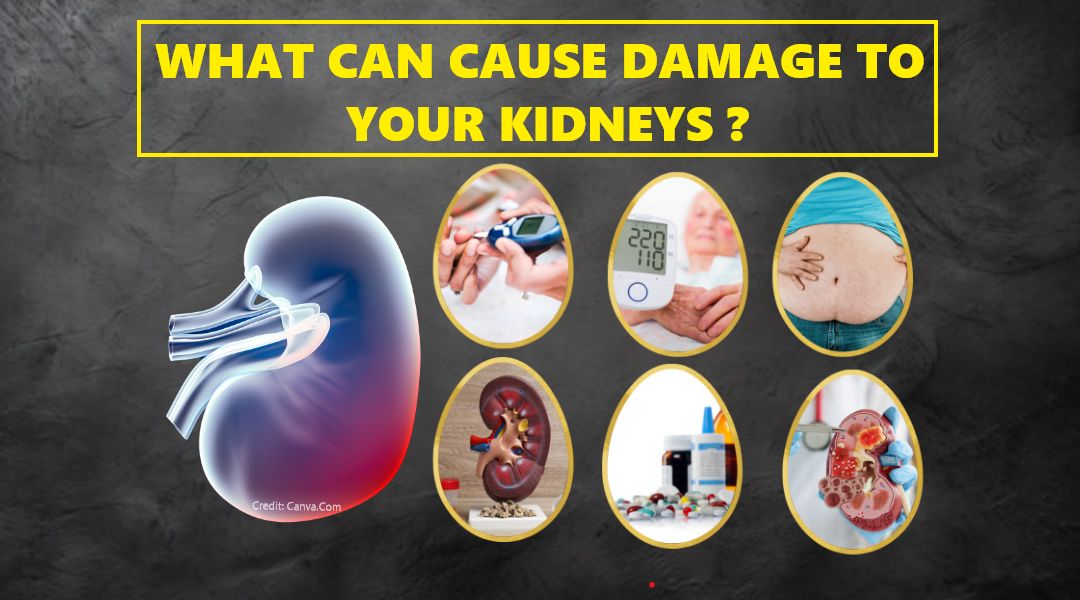
What is Kidney Failure? Kidney failure, also known as end-stage renal disease (ESRD), is a condition in which the kidneys are unable to filter waste products and excess water from the blood effectively. This can lead to a buildup of waste and fluid in the body, causing various health complications. Causes of Kidney Failure: -Causes of Kidney Failure • Diabetes: Uncontrolled high blood sugar levels can damage kidneys over time. • High Blood Pressure: Hypertension can damage kidney's tiny blood vessels, leading to kidney failure. • Glomerulonephritis: Inflammation of kidney's filtering units, caused by autoimmune disorders or infections. • Polycystic Kidney Disease: An inherited condition characterized by the growth of cysts in the kidneys, leading to kidney damage. • Urinary Tract Obstruction: Conditions like kidney stones, tumors, or enlarged prostate can block urine flow, causing kidney damage. Symptoms of Kidney Failure: • Fatigue and weakness. • Nausea and vomiting. • Loss of appetite. • Swollen legs, ankles, feet. • Difficulty concentrating. • Foamy or bloody urine. Diagnosis of Kidney Failure: • Blood tests: Measure creatinine and urea levels to indicate kidney function. • Urine tests: Analyze protein or blood in urine to detect kidney damage. • Imaging tests: Ultrasound, CT scans, or MRI provide detailed images of kidneys and urinary tract. • Kidney biopsy: Take a small sample of kidney tissue for examination under a microscope. Types of Kidney Failure: • Acute kidney failure: sudden loss of kidney function due to injury, infection, or urinary tract blockage. • Chronic kidney disease (CKD): gradual, progressive loss of kidney function over months or years. Adverse Effects of Kidney Failure: • Fluid retention and swelling. • High blood pressure. • Anemia. • Bone disease and fractures. • Nerve damage. • Heart disease. • Seizures and coma in severe cases. Diet in Kidney Failure: • Limit protein intake to prevent overwork and waste buildup. • Restrict sodium and fluids to control fluid retention and swelling. • Limit potassium and phosphorus to prevent blood complications. • Increase high-calorie foods intake to prevent malnutrition. • Consider dialysis or kidney transplant for improved quality of life.
Brahm homeo Logo
Brahm Homeopathy
Typically replies within an hour
Brahm homeo
Hi there 👋

How can we help you?
NOW
×
Chat with Us