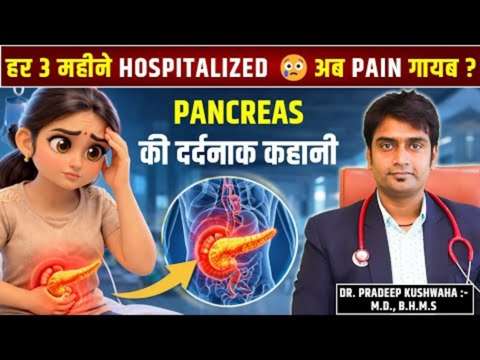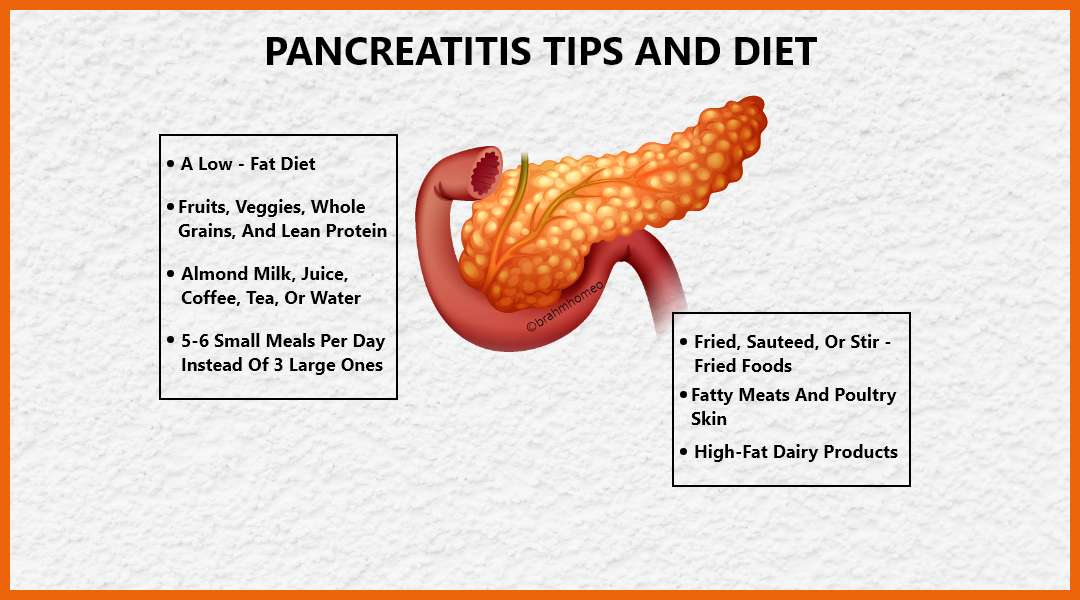
Pancreatitis Tips and diet
Left untreated, pancreatitis can cause serious complications and even death. Seeking emergency medical intervention is necessary when symptoms present.
- Pseudocysts accumulate fluid and debris in pockets. If they rupture, they cause infection and internal bleeding.
- Inflammation in the pancreas makes it vulnerable to bacteria and infection. Surgery may be required in some cases.
- Kidney failure may arise, requiring dialysis.
- Breathing problems may develop as chemical changes in the body can affect oxygen levels.
- Diabetes may occur as insulin-producing cells are damaged.
- Malnutrition is fairly common as the pancreas produces fewer enzymes, making it difficult to break down and process essential nutrients.
- Pancreatic cancer is associated with long-term inflammation of the pancreas often due to chronic pancreatitis.
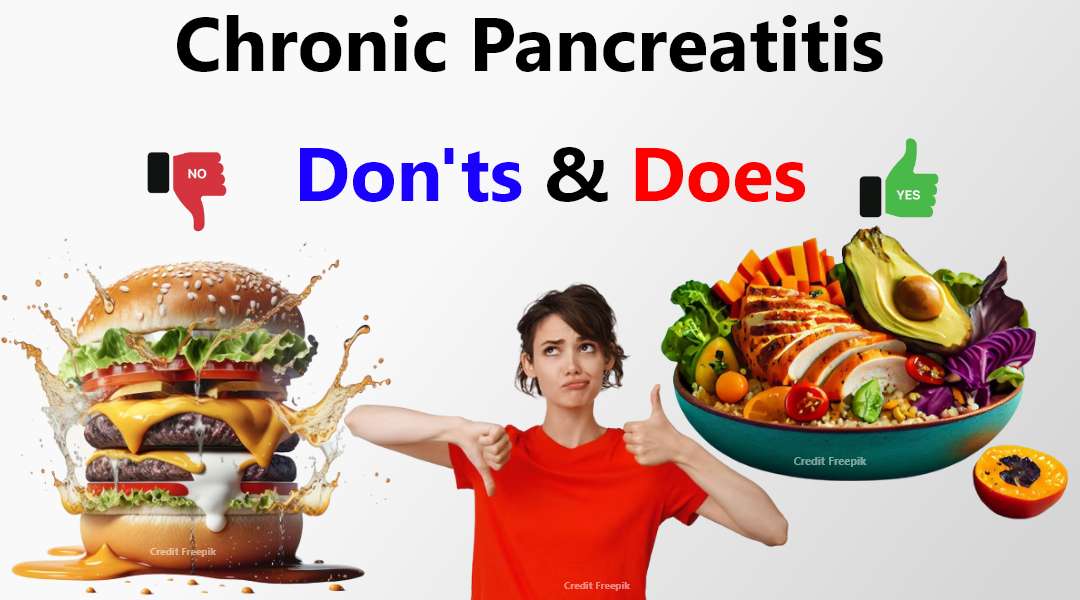
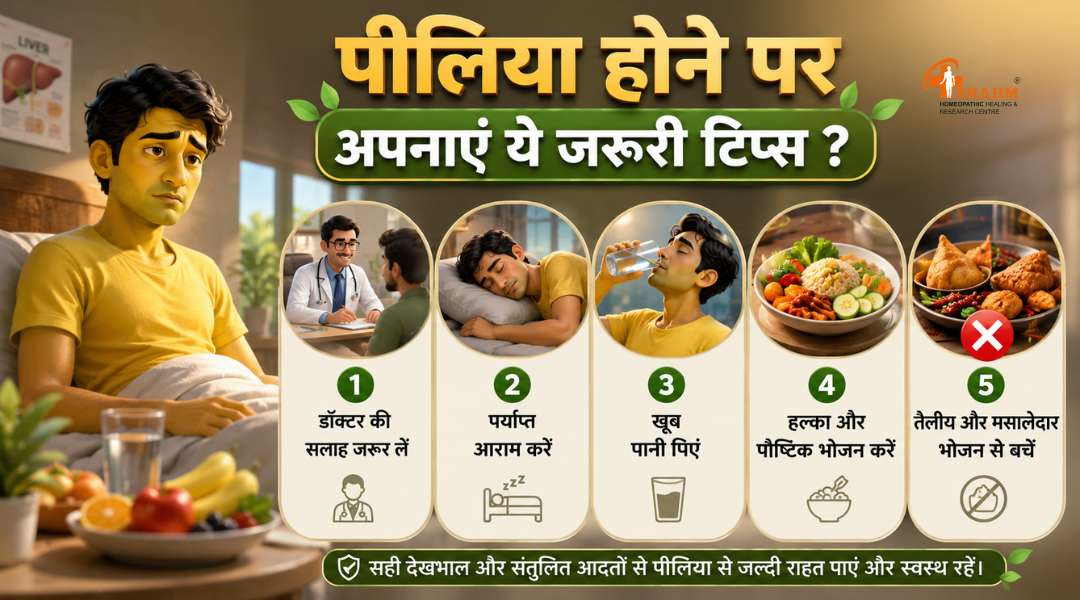
DO:
- If symptoms are severe, seek emergency medical attention immediately.
- If symptoms are mild or moderate, make an appointment with your physician.
- Eat small, light meals that are low in fat.
DON’T:
- Discount the symptoms as just discomfort.
- Consume a high-fat meal.
- Drink alcohol or smoke.
After a diagnosis of acute or chronic pancreatitis, nutrition must be the first priority. The goal with a pancreatitis diet is to prevent malnutrition, nutritional deficiencies and optimize blood sugar levels while protecting against kidney and liver problems, pancreatic cancer and worsening symptoms.
Columbia University’s Pancreas Center recommends focusing on a nutrient-dense diet high in lean proteins, whole grains, fruits, vegetables and low-fat dairy products while avoiding greasy fried foods and alcohol. Their program recommends annual blood tests to determine any nutrient deficiencies and recommends supplementation as necessary.