What is the relation between jaundice and pancreas?
Jaundice is a condition characterized by yellowing of the skin and the whites of the eyes, caused by elevated levels of bilirubin in the bloodstream. Bilirubin is a yellow pigment produced during the normal breakdown of red blood cells.
The pancreas is an organ located behind the stomach that plays a crucial role in digestion and blood sugar regulation. It produces digestive enzymes that help break down food in the small intestine and produces insulin and gluc@gon to regulate blood sugar levels.
The relationship between jaundice and the pancreas can occur due to several factors:
1. Pancreatic Disorders: Certain disorders affecting the pancreas, such as pancreatitis (inflammation of the pancreas), pancreatic cancer, or pancreatic cysts, can cause obstruction of the bile ducts. When the bile ducts are blocked, bilirubin cannot properly drain into the intestines and is instead released into the bloodstream, leading to jaundice.
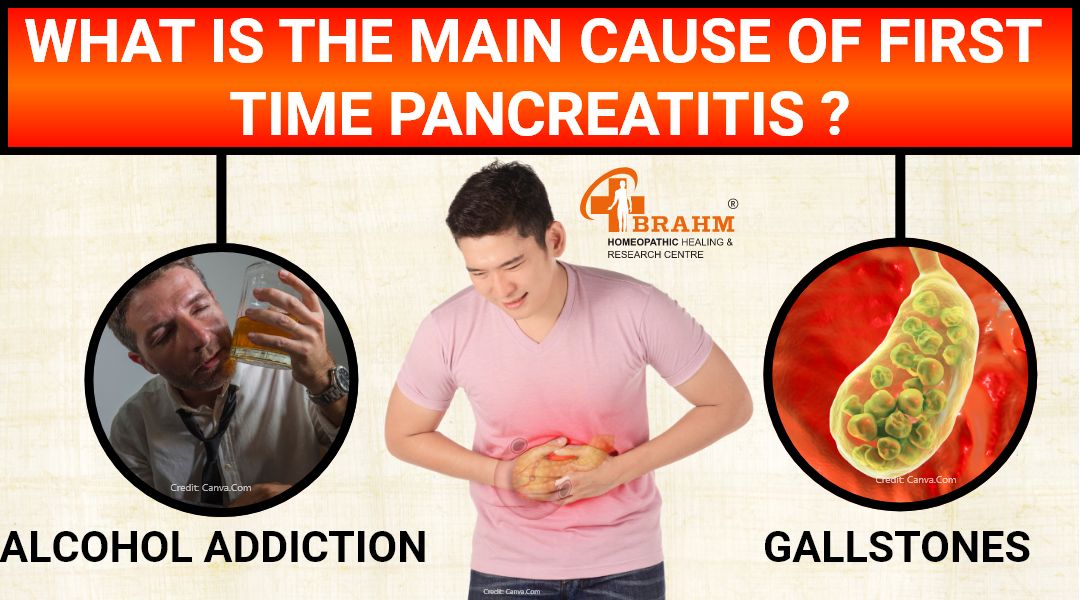
2. Gallstones: Gallstones are hardened deposits that can form in the gallbladder or bile ducts. If a gallstone becomes lodged in the common bile duct, it can obstruct the flow of bile from the liver and cause jaundice. The pancreas and the gallbladder share a common bile duct, so gallstones that obstruct this duct can affect both organs.
3. Biliary Obstruction: Conditions such as pancreatic tumors or inflammation can cause compression or obstruction of the bile ducts, leading to impaired bile flow and jaundice.
4. Alcohol-related Pancreatitis: Chronic alcohol consumption can lead to pancreatitis, which can in turn cause inflammation and scarring of the pancreas. This scarring can disrupt the normal flow of bile and lead to jaundice.
5. Autoimmune Pancreatitis: In some cases, autoimmune pancreatitis can lead to inflammation and scarring of the pancreas, causing obstruction of the bile ducts and subsequent jaundice.
Can you fully recover from pancreatitis?
The majority of people recover completely, however some experience repeated episodes. A tiny proportion of patients may develop persistent or chronic pancreatitis. If the damage is severe, patients may require additional digestive enzymes to help them digest meals.
Can pancreatitis cause sudden death?
Death can result from acute pancreatitis without bleeding; nevertheless, autopsy-based investigations usually reveal hemorrhagic pancreatitis in situations of unexpected death. The majority of instances of acute pancreatitis are caused by gallstones blocking the pancreatic duct or persistent alcohol usage.
Stories
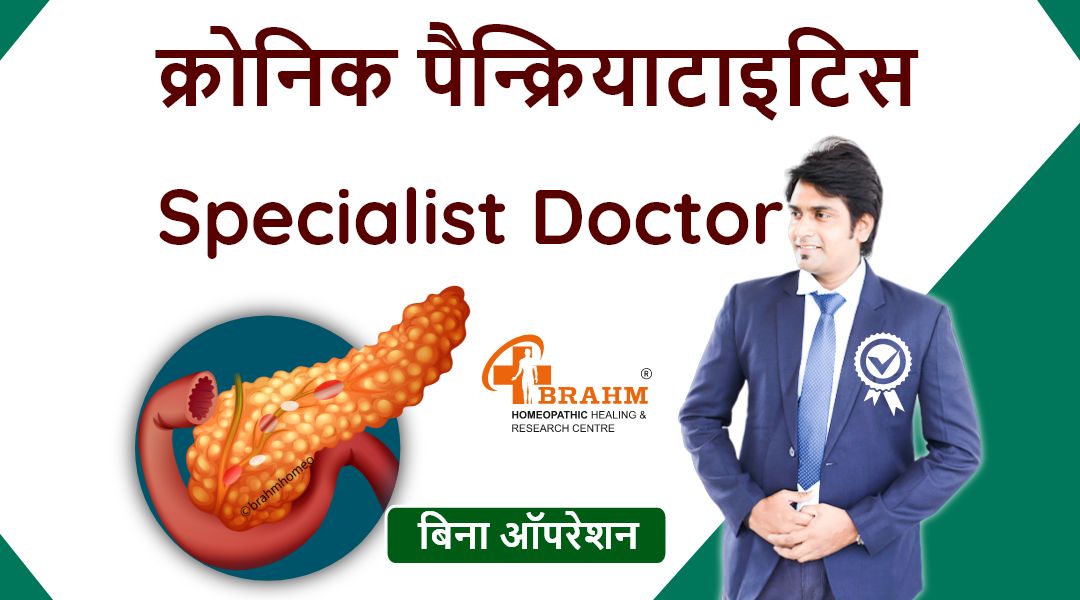
chronic pancreatitis treatment in hindi
पैंक्रियास ठीक करने के उपाय
पैंक्रियाटाइटिस एक बीमारी है जो आपके पैंक्रियास में हो सकती है। पैंक्रियास आपके पेट में एक लंबी ग्रंथि है जो भोजन को पचाने में आपकी मदद करती है। यह आपके रक्त प्रवाह में हार्मोन भी जारी करता है जो आपके शरीर को ऊर्जा के लिए भोजन का उपयोग करने में मदद करता है। यदि आपका पैंक्रियास क्षतिग्रस्त हो गया है, तो पाचन एंजाइम सामान्य रूप से आपकी छोटी आंत में नहीं जा सकते हैं और आपका शरीर ऊर्जा के लिए भोजन का उपयोग नहीं कर सकता है।
पैंक्रियास शरीर का एक महत्वपूर्ण हिस्सा है जो हार्मोन इंसुलिन का उत्पादन करके रक्त शर्करा को नियंत्रित करने में मदद करता है। यदि इस अंग को नुकसान होता है, तो इससे मानव शरीर में गंभीर समस्याएं हो सकती हैं। ऐसी ही एक समस्या है जब पैंक्रियास में सूजन हो जाती है, जिसे तीव्र पैंक्रियाटाइटिस कहा जाता है।
क्रोनिक पैंक्रियाटाइटिस पैंक्रियास की सूजन है जो लंबे समय तक रह सकती है। इससे पैंक्रियास और अन्य जटिलताओं को स्थायी नुकसान हो सकता है। इस सूजन से निशान ऊतक विकसित हो सकते हैं, जो इंसुलिन उत्पन्न करने वाली कोशिकाओं को नुकसान पहुंचा सकते हैं। यह पुरानी अग्नाशयशोथ वाले लगभग 45 प्रतिशत लोगों में मधुमेह का कारण बन सकता है। भारी शराब का सेवन भी वयस्कों में पैंक्रियाटाइटिस का कारण बन सकता है। ऑटोइम्यून और आनुवंशिक रोग, जैसे सिस्टिक फाइब्रोसिस, कुछ लोगों में पुरानी पैंक्रियाटाइटिस का कारण बन सकते हैं।
उत्तर भारत में, ऐसे बहुत से लोग हैं जिनके पास पीने के लिए बहुत अधिक है और कभी-कभी एक छोटा सा पत्थर उनके पित्ताशय में फंस सकता है और उनके अग्न्याशय के उद्घाटन को अवरुद्ध कर सकता है। इससे उन्हें अपना खाना पचाने में मुश्किल हो सकती है। 3 हाल ही में एशिया-प्रशांत क्षेत्र के विभिन्न देशों में किए गए एक सर्वेक्षण के अनुसार दक्षिण भारत में पुरानी अग्नाशयशोथ की व्यापकता प्रति 100,000 जनसंख्या पर 114-200 मामले हैं।
क्रोनिक पैंक्रियाटाइटिस के लक्षण ?
-कुछ लोगों को पेट में दर्द होता है जो पीठ तक फैल सकता है। -यह दर्द मतली और उल्टी जैसी चीजों के कारण हो सकता है। -खाने के बाद दर्द और बढ़ सकता है। -कभी-कभी किसी के पेट को छूने पर दर्द महसूस हो सकता है। -व्यक्ति को बुखार और ठंड लगना भी हो सकता है। वे बहुत कमजोर और थका हुआ भी महसूस कर सकते हैं।
क्रोनिक पैंक्रियाटाइटिस के कारण ?
-पित्ताशय की पथरी -शराब
-रक्त में उच्च ट्राइग्लिसराइड का स्तर -रक्त में उच्च कैल्शियम का स्तर
होम्योपैथी में क्रोनिक पैंक्रियाटाइटिस का इलाज कैसे किया जाता है?
होम्योपैथी में क्रोनिक पैंक्रियाटाइटिस नेक्रोसिस का उपचार उपचारात्मक है। आप कितने समय तक इस बीमारी से पीड़ित रहेंगे यह काफी हद तक आपकी उपचार योजना पर निर्भर करता है। ब्रह्म अनुसंधान पर आधारित चिकित्सकीय रूप से सिद्ध वैज्ञानिक उपचार मॉड्यूल इस बीमारी के इलाज में अत्यधिक प्रभावी हैं। हमारे पास आपके मामले का व्यवस्थित रूप से निरीक्षण और विश्लेषण करने, सभी संकेतों और लक्षणों, रोग के पाठ्यक्रम का दस्तावेजीकरण करने, रोग के चरण, पूर्वानुमान और जटिलताओं को समझने की क्षमता है, हमारे पास अत्यधिक योग्य डॉक्टरों की एक टीम है। फिर वे आपकी बीमारी के बारे में विस्तार से बताएंगे, आपको एक उचित आहार योजना (क्या खाएं और क्या नहीं खाएं), व्यायाम योजना, जीवनशैली योजना और कई अन्य कारक प्रदान करेंगे जो आपके समग्र स्वास्थ्य में सुधार कर सकते हैं। पढ़ाना। व्यवस्थित उपचार रोग ठीक होने तक होम्योपैथिक औषधियों से उपचार करें। इससे कोई फर्क नहीं पड़ता कि आप कितने समय से बीमारी से पीड़ित हैं, चाहे वह थोड़े समय के लिए हो या कई सालों से। हम सभी ठीक हो सकते हैं, लेकिन बीमारी के प्रारंभिक चरण में हम तेजी से ठीक हो जाते हैं। पुरानी या देर से आने वाली या लंबे समय तक चलने वाली बीमारियों को ठीक होने में अधिक समय लगता है। समझदार लोग इस बीमारी के लक्षण दिखते ही इलाज शुरू कर देते हैं। इसलिए, यदि आपको कोई असामान्यता नज़र आती है, तो कृपया तुरंत हमसे संपर्क करें।
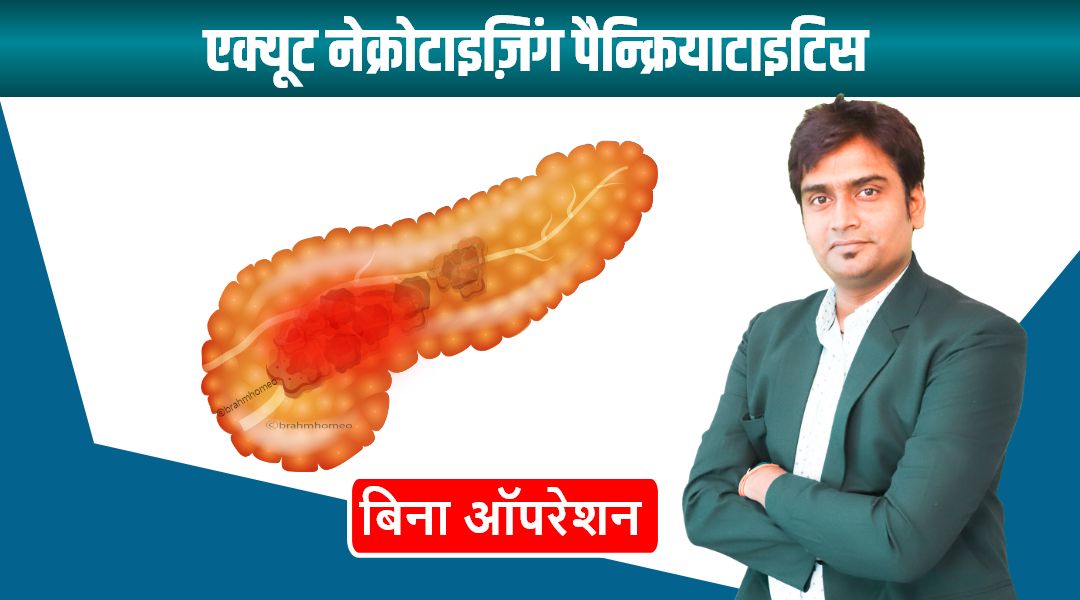
Acute Necrotizing pancreas treatment in hindi
तीव्र नेक्रोटाइज़िंग अग्नाशयशोथ ?
आक्रामक अंतःशिरा द्रव पुनर्जीवन, दर्द प्रबंधन, और आंत्र भोजन की जल्द से जल्द संभव शुरुआत उपचार के मुख्य घटक हैं। जबकि उपरोक्त सावधानियों से बाँझ परिगलन में सुधार हो सकता है, संक्रमित परिगलन के लिए अतिरिक्त उपचार की आवश्यकता होती है।
तीव्र नेक्रोटाइज़िंग अग्नाशयशोथ के लक्षण ? - बुखार - फूला हुआ पेट - मतली और दस्त तीव्र नेक्रोटाइज़िंग अग्नाशयशोथ के कारण ?
- अग्न्याशय में चोट - उच्च रक्त कैल्शियम स्तर और रक्त वसा सांद्रता
ऐसी स्थितियाँ जो अग्न्याशय को प्रभावित करती हैं और आपके परिवार में चलती रहती हैं, उनमें सिस्टिक फाइब्रोसिस और अन्य आनुवंशिक विकार शामिल हैं जिनके परिणामस्वरूप बार-बार अग्नाशयशोथ होता है|
क्या एक्यूट नेक्रोटाइज़िंग पैंक्रिएटाइटिस का इलाज होम्योपैथी से संभव है ?
हां, होम्योपैथिक उपचार चुनकर एक्यूट नेक्रोटाइज़िंग पैन्क्रियाटाइटिस का इलाज संभव है। होम्योपैथिक उपचार चुनने से आपको इन दवाओं का कोई साइड इफेक्ट नहीं होगा और यह समस्या को जड़ से खत्म कर देता है, इसीलिए आपको अपने एक्यूट नेक्रोटाइज़िंग पैन्क्रियाटाइटिस के इलाज के लिए होम्योपैथिक उपचार का ही चयन करना चाहिए।
आप तीव्र नेक्रोटाइज़िंग अग्नाशयशोथ से कैसे छुटकारा पा सकते हैं ?
शुरुआती चरण में सर्वोत्तम उपचार चुनने से आपको एक्यूट नेक्रोटाइज़िंग पैन्क्रियाटाइटिस से छुटकारा मिल जाएगा। होम्योपैथिक उपचार का चयन करके, ब्रह्म होम्योपैथी आपको एक्यूट नेक्रोटाइज़िंग पैन्क्रियाटाइटिस के लिए सबसे विश्वसनीय उपचार देना सुनिश्चित करता है। एक्यूट नेक्रोटाइज़िंग पैन्क्रियाटाइटिस के लिए होम्योपैथिक उपचार सबसे अच्छा इलाज है। जैसे ही आप एक्यूट नेक्रोटाइज़िंग पैन्क्रियाटाइटिस को ठीक करने के लिए अपना उपचार शुरू करेंगे, आपको निश्चित परिणाम मिलेंगे।
होम्योपैथिक उपचार से तीव्र नेक्रोटाइज़िंग अग्नाशयशोथ का इलाज संभव है। आप कितने समय से बीमारी से पीड़ित हैं, इसका उपचार योजना पर बहुत प्रभाव पड़ता है। इससे कोई फर्क नहीं पड़ता कि आप कब से अपनी बीमारी से पीड़ित हैं, या तो हाल ही में या कई वर्षों से - हमारे पास सब कुछ ठीक है, लेकिन बीमारी के शुरुआती चरण में, आप तेजी से ठीक हो जाएंगे। पुरानी स्थितियों के लिए या बाद के चरण में या कई वर्षों की पीड़ा के मामले में, इसे ठीक होने में अधिक समय लगेगा। बुद्धिमान व्यक्ति हमेशा इस बीमारी के किसी भी लक्षण को देखते ही तुरंत इलाज शुरू कर देते हैं, इसलिए जैसे ही आपमें कोई असामान्यता दिखे तो तुरंत हमसे संपर्क करें।
ब्रह्म होम्योपैथिक हीलिंग एवं रिसर्च सेंटर की उपचार योजना
ब्रह्म अनुसंधान आधारित, चिकित्सकीय रूप से प्रमाणित, वैज्ञानिक उपचार मॉड्यूल इस बीमारी को ठीक करने में बहुत प्रभावी है। हमारे पास सुयोग्य डॉक्टरों की एक टीम है जो आपके मामले का व्यवस्थित रूप से निरीक्षण और विश्लेषण करती है, रोग की प्रगति के साथ-साथ सभी संकेतों और लक्षणों को रिकॉर्ड करती है, इसकी प्रगति के चरणों, पूर्वानुमान और इसकी जटिलताओं को समझती है। उसके बाद वे आपको आपकी बीमारी के बारे में विस्तार से बताते हैं, आपको उचित आहार चार्ट [क्या खाएं या क्या न खाएं], व्यायाम योजना, जीवन शैली योजना प्रदान करते हैं और कई अन्य कारकों के बारे में मार्गदर्शन करते हैं जो व्यवस्थित प्रबंधन के साथ आपकी सामान्य स्वास्थ्य स्थिति में सुधार कर सकते हैं। जब तक यह ठीक न हो जाए तब तक होम्योपैथिक दवाओं से अपनी बीमारी का इलाज करें।
तीव्र नेक्रोटाइज़िंग अग्नाशयशोथ के लिए आहार ?
कुपोषण और पोषण संबंधी कमियों को रोकने के लिए, सामान्य रक्त शर्करा के स्तर को बनाए रखने और मधुमेह, गुर्दे की समस्याओं और पुरानी अग्नाशयशोथ से जुड़ी अन्य स्थितियों को रोकने या बेहतर ढंग से प्रबंधित करने के लिए, अग्नाशयशोथ की तीव्र घटना से बचना महत्वपूर्ण है।
यदि आप एक स्वस्थ आहार योजना की तलाश में हैं, तो ब्रह्म होम्योपैथी से संपर्क करें। हमारे विशेषज्ञ आपकी व्यक्तिगत आवश्यकताओं के अनुरूप एक योजना बनाने में आपकी सहायता कर सकते हैं
Pancreatitis treatment in hindi
पैंक्रियाटाइटिस ?
जब पैंक्रियाटाइटिसमें सूजन और संक्रमण हो जाता है तो इससे पैंक्रिअटिटिस नामक रोग हो जाता है। पैंक्रियास एक लंबा, चपटा अंग है जो पेट के पीछे पेट के शीर्ष पर छिपा होता है। पैंक्रिअटिटिस उत्तेजनाओं और हार्मोन का उत्पादन करके पाचन में मदद करता है जो आपके शरीर में ग्लूकोज के प्रसंस्करण को विनियमित करने में मदद करते हैं।
पैंक्रियाटाइटिस के लक्षण:
-पेट के ऊपरी भाग में दर्द होना। -बेकार वजन घटाना. -पेट का ख़राब होना.
-शरीर का असामान्य रूप से उच्च तापमान। -पेट को छूने पर दर्द होना। -तेज़ दिल की धड़कन. -हाइपरटोनिक निर्जलीकरण.
पैंक्रियाटाइटिस के कारण:
-पित्ताशय में पथरी. -भारी शराब का सेवन.
-भारी खुराक वाली दवाएँ। -हार्मोन का असंतुलन. -रक्त में वसा जो ट्राइग्लिसराइड्स का कारण बनता है। -आनुवंशिकता की स्थितियाँ. -पेट में सूजन ।
क्या होम्योपैथी पैंक्रियाटाइटिस को ठीक कर सकती है?
हाँ, होम्योपैथीपैंक्रियाटाइटिसको ठीक कर सकती है। ब्रह्म होम्योपैथी आपको पैंक्रिअटिटिस के लिए सबसे भरोसेमंद उपचार देना सुनिश्चित करती है।
पैंक्रियाटाइटिस के लिए सबसे अच्छा उपचार क्या है?
यदि पैंक्रियाज अच्छी तरह से काम नहीं कर रहा है तो होम्योपैथिक उपचार वास्तव में बेहतर होने में मदद करने का एक अच्छा तरीका है। जब आप उपचार शुरू करते हैं, तो आप जल्दी परिणाम देखेंगे। बहुत सारे लोग इस इलाज के लिए ब्रह्म होम्योपैथी जा रहे हैं और वे वास्तव में अच्छा कर रहे हैं। ब्रह्म होम्योपैथी आपके पैंक्रियाज के को बेहतर बनाने में मदद करने के लिए आपको सबसे तेज़ और सुरक्षित तरीका प्रदान करना सुनिश्चित करती है।
ब्रह्म होम्योपैथिक हीलिंग एंड रिसर्च सेंटर की उपचार योजना
बीमार होने पर लोगों को बेहतर महसूस कराने में मदद करने के लिए हमारे पास एक विशेष तरीका है। हमारे पास वास्तव में स्मार्ट डॉक्टर हैं जो ध्यान से देखते हैं और नोट करते हैं कि बीमारी व्यक्ति को कैसे प्रभावित कर रही है। फिर, वे सलाह देते हैं कि क्या खाना चाहिए, व्यायाम करना चाहिए और स्वस्थ जीवन कैसे जीना चाहिए। वे व्यक्ति को ठीक होने में मदद करने के लिए विशेष दवा भी देते हैं। यह तरीका कारगर साबित हुआ है!
Tips
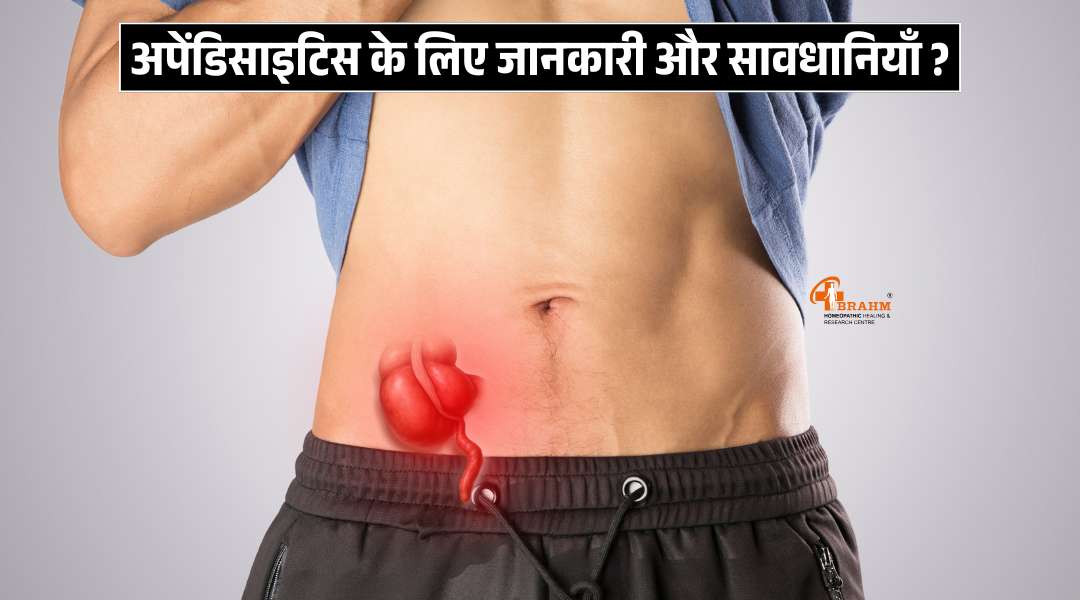
Appendicitis ke liye jaankari?
१) अपेंडिसाइटिस के लिए जानकारी और सावधानियाँ
अपेंडिसाइटिस एक ऐसी स्थिति है, जिस में अपेंडिक्स (आंत से जुड़ी एक छोटी थैली) में सूजन आ जाती है।
- यह एक मेडिकल इमरजेंसी हो सकती है, क्योंकि यदि समय पर इलाज न मिले तो अपेंडिक्स फट सकता है, और पेट में गंभीर संक्रमण फैल सकता है। - इसलिए इसके लक्षणों को पहचानना और सही समय पर डॉक्टर से संपर्क करना बहुत महत्वपूर्ण है।
२) अपेंडिसाइटिस के सामान्य लक्षण
- अपेंडिसाइटिस का सबसे प्रमुख लक्षण पेट दर्द होता है। शुरुआत में दर्द नाभि के आसपास महसूस हो सकता है, लेकिन कुछ घंटों बाद यह पेट के दाहिने निचले हिस्से में केंद्रित हो जाता है। इसके अलावा निम्न लक्षण भी दिखाई दे सकते हैं,
- भूख कम लगना - मतली और उल्टी - हल्का या तेज बुखार
- पेट में सूजन - गैस पास करने में कठिनाई - चलने, खांसने या हिलने पर दर्द बढ़ना
यदि ये लक्षण दिखाई दें, तो स्वयं इलाज करने के बजाय तुरंत चिकित्सकीय सलाह लेना आवश्यक है।
३) अपेंडिसाइटिस में अपनाने योग्य सुझाव
1. तुरंत डॉक्टर से संपर्क करें - यदि आपको अपेंडिसाइटिस का संदेह है, तो सबसे महत्वपूर्ण कदम है डॉक्टर या अस्पताल से तुरंत संपर्क करना। 2. दर्द को नजरअंदाज न करें - कई लोग पेट दर्द को सामान्य गैस या अपच समझकर अनदेखा कर देते हैं। - यदि दर्द लगातार बढ़ रहा है या पेट के दाहिने हिस्से में केंद्रित हो रहा है, तो इसे गंभीरता से लें। 3. बिना सलाह के दर्दनाशक दवाएं न लें
- दर्द कम करने वाली दवाएं लक्षणों को छिपा सकती हैं, जिससे डॉक्टर के लिए सही निदान करना कठिन हो सकता है। इसलिए डॉक्टर की सलाह के बिना कोई दवा न लें।
4. गर्म पानी की थैली या हीट पैड का उपयोग न करें
- पेट पर गर्म सिकाई करने से सूजन और बढ़ सकती है, तथा अपेंडिक्स फटने का खतरा बढ़ सकता है। इसलिए दर्द होने पर गर्म सिकाई से बचें।
5. भारी भोजन न करें
6. पर्याप्त आराम करें - शरीर को आराम देने से अतिरिक्त तनाव कम होता है। केवल आराम से अपेंडिसाइटिस ठीक नहीं होता, यह असुविधा कम करने में मदद कर सकता है। 7. पानी की कमी न होने दें - यदि डॉक्टर ने खाने-पीने पर रोक नहीं लगाई है, तो पर्याप्त मात्रा में पानी पीते रहें। उल्टी या बुखार होने पर शरीर में पानी की कमी हो सकती है।
४) अपेंडिसाइटिस का उपचार
- अपेंडिसाइटिस का उपचार आमतौर पर अपेंडिक्स को निकालने की सर्जरी (Appendectomy) द्वारा किया जाता है। यह सर्जरी आजकल अक्सर लैप्रोस्कोपिक तकनीक से की जाती है, जिस में छोटे चीरे लगाए जाते हैं और रिकवरी अपेक्षाकृत जल्दी होती है। - कुछ चुनिंदा मामलों में डॉक्टर एंटीबायोटिक दवाओं का उपयोग भी कर सकते हैं, लेकिन यह निर्णय रोगी की स्थिति पर निर्भर करता है। #सर्जरी के बाद देखभाल#सर्जरी के बाद निम्न बातों का ध्यान रखना चाहिए
- घाव को साफ और सूखा रखें। - कुछ सप्ताह तक भारी वजन उठाने से बचें।
- संतुलित और पौष्टिक भोजन करें।
- पर्याप्त पानी पिएं।
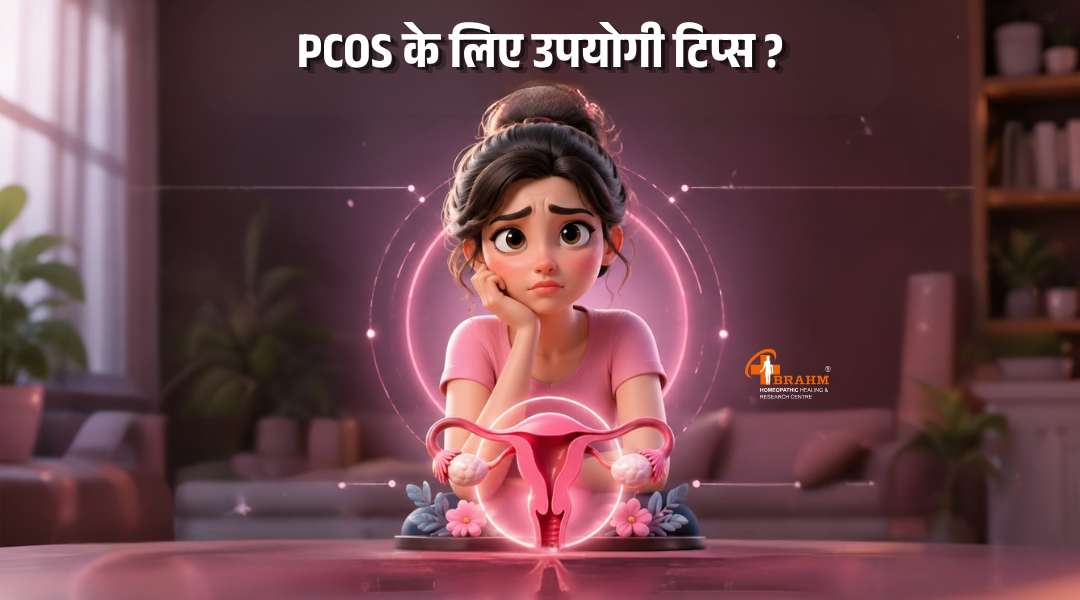
pcos ke liye kya tips ko follow kre?
१) PCOS के लिए उपयोगी टिप्स
- PCOS महिलाओं में होने वाली एक सामान्य हार्मोनल समस्या है। इस में शरीर के हार्मोन का संतुलन बिगड़ जाता है, जिस से मासिक धर्म अनियमित हो सकता है, वजन बढ़ सकता है, चेहरे या शरीर पर अधिक बाल आ सकते हैं और गर्भधारण में कठिनाई हो सकती है। - PCOS का कोई स्थायी इलाज नहीं है, लेकिन सही जीवनशैली और खान-पान अपनाकर इसके लक्षणों को काफी हद तक नियंत्रित किया जा सकता है।
#1. संतुलित और पौष्टिक आहार लें - PCOS को नियंत्रित करने के लिए स्वस्थ भोजन सबसे महत्वपूर्ण भूमिका निभाता है। अपने आहार में ताजे फल, हरी सब्जियां, साबुत अनाज, दालें, नट्स और प्रोटीन युक्त खाद्य पदार्थ शामिल करें। - अधिक चीनी, मैदा, तले हुए खाद्य पदार्थ और प्रोसेस्ड फूड का सेवन कम करें।
#2. नियमित व्यायाम करें - रोजाना कम से कम 30 मिनट तक व्यायाम करना PCOS से पीड़ित महिलाओं के लिए लाभदायक है। - तेज चलना, दौड़ना, साइकिल चलाना, योग और तैराकी जैसी गतिविधियां वजन नियंत्रित रखने में मदद करती हैं।
#3. वजन नियंत्रित रखें - अधिक वजन PCOS के लक्षणों को बढ़ा सकता है। यदि आपका वजन सामान्य से अधिक है, तो केवल 5 से 10 प्रतिशत वजन कम करने से भी मासिक धर्म नियमित होने और हार्मोन संतुलन में सुधार देखने को मिल सकता है।
#4. पर्याप्त नींद लें - अच्छी नींद हार्मोन संतुलन के लिए आवश्यक है। - प्रतिदिन 7 से 9 घंटे की गुणवत्तापूर्ण नींद लेने का प्रयास करें। #5. तनाव कम करें - ध्यान (Meditation), योग, गहरी सांस लेने के अभ्यास और अपनी पसंदीदा गतिविधियों में समय बिताना तनाव कम करने में मदद कर सकता है। #6. नियमित स्वास्थ्य जांच कराएं - PCOS से पीड़ित महिलाओं में मधुमेह, उच्च रक्तचाप और हृदय रोग का जोखिम बढ़ सकता है। - इसलिए नियमित रूप से डॉक्टर से जांच कराना आवश्यक है। #7. पर्याप्त पानी पिएं - पर्याप्त मात्रा में पानी पीना शरीर को स्वस्थ में मदद करता है। #8. डॉक्टर की सलाह का पालन करें - यदि डॉक्टर ने दवाएं या कोई विशेष उपचार सुझाया है, तो उसे नियमित रूप से अपनाएं। - कई मामलों में हार्मोन संतुलन, मासिक धर्म नियमित करने या इंसुलिन प्रतिरोध को नियंत्रित करने के लिए दवाओं की आवश्यकता पड़ सकती है। #9. योग और प्राणायाम अपनाएं
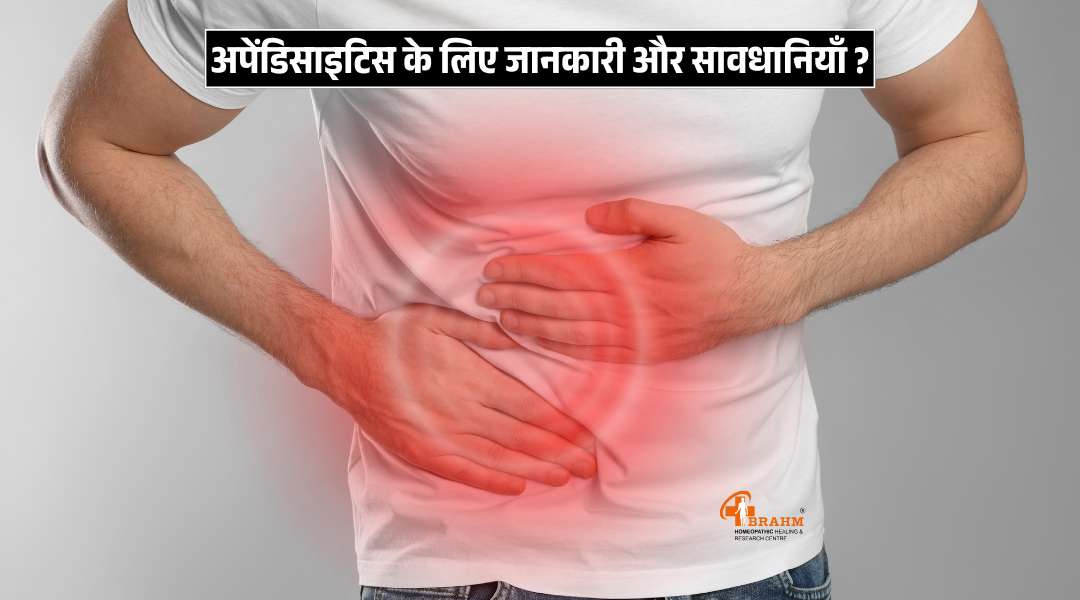
Appendicitis hone par kya laksan dikhayi dete hai?
१) अपेंडिसाइटिस के लिए जानकारी और सावधानियाँ?
अपेंडिसाइटिस एक ऐसी स्थिति है, जिस में अपेंडिक्स (आंत से जुड़ी एक छोटी थैली) में सूजन आ जाती है।
- यह एक मेडिकल इमरजेंसी हो सकती है, क्योंकि यदि समय पर इलाज न मिले तो अपेंडिक्स फट सकता है, और पेट में गंभीर संक्रमण फैल सकता है। - इसलिए इसके लक्षणों को पहचानना और सही समय पर डॉक्टर से संपर्क करना बहुत महत्वपूर्ण है।
२) अपेंडिसाइटिस के सामान्य लक्षण?
- अपेंडिसाइटिस का सबसे प्रमुख लक्षण पेट दर्द होता है। शुरुआत में दर्द नाभि के आसपास महसूस हो सकता है, लेकिन कुछ घंटों बाद यह पेट के दाहिने निचले हिस्से में केंद्रित हो जाता है। इसके अलावा निम्न लक्षण भी दिखाई दे सकते हैं,
- भूख कम लगना - मतली और उल्टी
- हल्का या तेज बुखार
- पेट में सूजन
- गैस पास करने में कठिनाई - चलने, खांसने या हिलने पर दर्द बढ़ना यदि ये लक्षण दिखाई दें, तो स्वयं इलाज करने के बजाय तुरंत चिकित्सकीय सलाह लेना आवश्यक है।
३) अपेंडिसाइटिस में अपनाने योग्य सुझाव?
1. तुरंत डॉक्टर से संपर्क करें - यदि आपको अपेंडिसाइटिस का संदेह है, तो सबसे महत्वपूर्ण कदम है डॉक्टर या अस्पताल से तुरंत संपर्क करना। 2. दर्द को नजरअंदाज न करें - कई लोग पेट दर्द को सामान्य गैस या अपच समझकर अनदेखा कर देते हैं। - यदि दर्द लगातार बढ़ रहा है या पेट के दाहिने हिस्से में केंद्रित हो रहा है, तो इसे गंभीरता से लें। 3. बिना सलाह के दर्दनाशक दवाएं न लें - दर्द कम करने वाली दवाएं लक्षणों को छिपा सकती हैं, जिससे डॉक्टर के लिए सही निदान करना कठिन हो सकता है। इसलिए डॉक्टर की सलाह के बिना कोई दवा न लें। 4. गर्म पानी की थैली या हीट पैड का उपयोग न करें - पेट पर गर्म सिकाई करने से सूजन और बढ़ सकती है, तथा अपेंडिक्स फटने का खतरा बढ़ सकता है। इसलिए दर्द होने पर गर्म सिकाई से बचें। 5. भारी भोजन न करें 6. पर्याप्त आराम करें - शरीर को आराम देने से अतिरिक्त तनाव कम होता है। केवल आराम से अपेंडिसाइटिस ठीक नहीं होता, यह असुविधा कम करने में मदद कर सकता है। 7. पानी की कमी न होने दें - यदि डॉक्टर ने खाने-पीने पर रोक नहीं लगाई है, तो पर्याप्त मात्रा में पानी पीते रहें। उल्टी या बुखार होने पर शरीर में पानी की कमी हो सकती है।
४) अपेंडिसाइटिस का उपचार?
- अपेंडिसाइटिस का उपचार आमतौर पर अपेंडिक्स को निकालने की सर्जरी (Appendectomy) द्वारा किया जाता है। यह सर्जरी आजकल अक्सर लैप्रोस्कोपिक तकनीक से की जाती है, जिस में छोटे चीरे लगाए जाते हैं और रिकवरी अपेक्षाकृत जल्दी होती है। - कुछ चुनिंदा मामलों में डॉक्टर एंटीबायोटिक दवाओं का उपयोग भी कर सकते हैं, लेकिन यह निर्णय रोगी की स्थिति पर निर्भर करता है।
#सर्जरी के बाद देखभाल#
सर्जरी के बाद निम्न बातों का ध्यान रखना चाहिए: - घाव को साफ और सूखा रखें। - कुछ सप्ताह तक भारी वजन उठाने से बचें।
- संतुलित और पौष्टिक भोजन करें। - पर्याप्त पानी पिएं।
Testimonials
body weakness treatment
ब्रह्म होम्योपैथी से 10 महीने में चमत्कारी इलाज: एक मरीज की कहानी
आज के समय में जब लोग तरह-तरह की बीमारियों से जूझ रहे हैं, तब होम्योपैथी चिकित्सा कई मरीजों के लिए आशा की किरण बन रही है। ऐसी ही एक प्रेरणादायक कहानी है एक मरीज की, जिसने ब्रह्म होम्योपैथी के माध्यम से 10 महीने में अपनी बीमारी से निजात पाई।
शुरुआत में थी थकान और शरीर में भारीपन
मरीज ने बताया, "मुझे कई दिनों से शरीर में थकान, भारीपन और बेचैनी महसूस हो रही थी। यह परेशानी धीरे-धीरे इतनी बढ़ गई कि रोजमर्रा के काम भी कठिन लगने लगे। मेरी माँ पहले से ही ब्रह्म होम्योपैथी क्लीनिक में इलाज करा रही थीं। उन्होंने बताया कि उन्हें वेरीकोज वेन्स की समस्या थी और यहाँ के इलाज से उन्हें बहुत लाभ हुआ था। उनकी सलाह पर मैं भी यहाँ आया।"
होम्योपैथी इलाज का असर मात्र एक सप्ताह में
मरीज के अनुसार, "जब मैंने ब्रह्म होम्योपैथी में डॉक्टर प्रदीप कुशवाहा से परामर्श लिया और उनकी सलाह के अनुसार दवाएं लेना शुरू किया, तो सिर्फ एक हफ्ते के भीतर ही मुझे सुधार महसूस होने लगा। मेरी थकान कम हो गई, शरीर की ऊर्जा बढ़ने लगी और पहले की तुलना में मैं ज्यादा सक्रिय महसूस करने लगा।"
लगातार 10 महीने तक किया उपचार, मिली पूरी राहत
मरीज ने लगातार 10 महीने तक ब्रह्म होम्योपैथी की दवाएं लीं और सभी निर्देशों का पालन किया। उन्होंने कहा, "लगभग 15 दिनों के अंदर ही मेरी स्थिति में काफी सुधार हुआ और अब 10 महीने बाद मैं पूरी तरह स्वस्थ महसूस कर रहा हूँ। यह सब डॉक्टर प्रदीप कुशवाहा और ब्रह्म होम्योपैथी की दवाओं की वजह से संभव हुआ।"
होम्योपैथी: सभी बीमारियों के लिए वरदान
मरीज ने आगे कहा, "इस क्लिनिक का माहौल बहुत अच्छा है और इलाज का तरीका बेहद प्रभावी है। यहाँ की दवाएँ बहुत असरदार हैं और मुझे इनके इस्तेमाल से कोई साइड इफेक्ट भी नहीं हुआ। यह सच में होम्योपैथी का सबसे बेहतरीन केंद्र है। मैं सभी मरीजों से अनुरोध करूंगा कि अगर वे किसी पुरानी बीमारी से परेशान हैं, तो एक बार ब्रह्म होम्योपैथी का इलाज जरूर लें। यह एक बीमार मरीजों के लिए किसी स्वर्ग से कम नहीं है।"
निष्कर्ष
इस मरीज की कहानी यह साबित करती है कि सही चिकित्सा और सही मार्गदर्शन से कोई भी बीमारी ठीक हो सकती है। ब्रह्म होम्योपैथी में न केवल आधुनिक चिकित्सा पद्धति का समावेश है, बल्कि यहाँ मरीजों की समस्याओं को गहराई से समझकर उनका संपूर्ण इलाज किया जाता है। यदि आप भी किसी स्वास्थ्य समस्या से जूझ रहे हैं, तो ब्रह्म होम्योपैथी एक बेहतरीन विकल्प हो सकता है।

acute pancreatitis ka ilaaj
ब्रह्म होम्योपैथी: एक मरीज की जीवन बदलने वाली कहानी
एक्यूट पैन्क्रियाटाइटिस: एक गंभीर समस्या
एक्यूट पैन्क्रियाटाइटिस एक ऐसी स्थिति है जिसमें अग्न्याशय में तीव्र सूजन हो जाती है। जब यह समस्या उत्पन्न होती है, तो मरीज को शुरुआत में इसकी जानकारी नहीं होती, लेकिन दर्द इतना असहनीय होता है कि उसे तुरंत अस्पताल में भर्ती होने की आवश्यकता पड़ती है। इस स्थिति का मुख्य कारण अनुचित जीवनशैली, जंक फूड, शराब का सेवन, ऑटोइम्यून बीमारियां, कुछ रसायन और विकिरण हो सकते हैं। यदि समय रहते सही इलाज नहीं किया गया, तो यह स्थिति क्रॉनिक पैन्क्रियाटाइटिस में बदल सकती है।
अमन बाजपेई की प्रेरणादायक यात्रा
मैं, अमन बाजपेई, पिछले 1.5 वर्षों से एक्यूट पैन्क्रियाटाइटिस का मरीज था। यह समय मेरे लिए बेहद कठिन था। मैं बहुत परेशान था, खाना खाने तक के लिए तरस गया था। पिछले 7-8 महीनों में मैंने रोटी तक नहीं खाई, केवल खिचड़ी और फल खाकर गुजारा कर रहा था। बार-बार मुझे इस बीमारी के हमले झेलने पड़ रहे थे। हर 5-10 दिनों में दवा लेनी पड़ती थी, लेकिन कोई लाभ नहीं हो रहा था।
इस बीमारी के इलाज में मैंने 6-7 लाख रुपये खर्च कर दिए। दिल्ली और झांसी समेत कई बड़े अस्पतालों में इलाज कराया, लेकिन कोई राहत नहीं मिली। मेरा वजन 95 किलो से घटकर 55 किलो हो गया और मैं बहुत कमजोर हो गया था। तभी मुझे सोशल मीडिया के माध्यम से ब्रह्म होम्योपैथी के बारे में पता चला।
ब्रह्म होम्योपैथी: उम्मीद की एक नई किरण
ब्रह्म होम्योपैथी वह जगह है जहां कम खर्च में उत्कृष्ट इलाज संभव है। मैंने आज तक किसी भी डॉक्टर या अस्पताल में इतना अच्छा व्यवहार नहीं देखा। डॉ. प्रदीप कुशवाहा सर ने मुझे एक नई जिंदगी दी। पहले मुझे लगा था कि मैं शायद कभी ठीक नहीं हो पाऊंगा, लेकिन आज मैं पूरी तरह स्वस्थ हूं।
मैं सभी मरीजों को यही सलाह दूंगा कि वे पैसे की बर्बादी न करें और सही इलाज के लिए ब्रह्म होम्योपैथी जाएं। यह भारत में एक्यूट पैन्क्रियाटाइटिस के लिए सबसे अच्छा अस्पताल है। मेरे लिए डॉ. प्रदीप कुशवाहा किसी देवता से कम नहीं हैं।
वैज्ञानिक रूप से प्रमाणित उपचार पद्धति
ब्रह्म होम्योपैथी के विशेषज्ञों ने शोध आधारित एक विशेष उपचार पद्धति विकसित की है, जिससे न केवल लक्षणों में सुधार होता है बल्कि बीमारी को जड़ से ठीक किया जाता है। हजारों मरीज इस उपचार का लाभ ले रहे हैं और उनकी मेडिकल रिपोर्ट में भी उल्लेखनीय सुधार देखा गया है।
यदि आप भी इस बीमारी से जूझ रहे हैं और सही इलाज की तलाश कर रहे हैं, तो ब्रह्म होम्योपैथी से संपर्क करें। यह न केवल बीमारी को बढ़ने से रोकता है बल्कि इसे जड़ से ठीक भी करता है।
urticaria ka ilaaj
रेणुका बहन श्रीमाली की प्रेरणादायक कहानी: 10 साल की तकलीफ से छुटकारारेणुका बहन श्रीमाली पिछले 10 वर्षों से एक गंभीर समस्या से जूझ रही थीं। उन्हें जब भी कुछ खाने की कोशिश करतीं, उनका शरीर फूल जाता था और अत्यधिक खुजली होने लगती थी। इस समस्या के कारण वे बहुत परेशान थीं और 10 वर्षों तक कुछ भी सही तरीके से नहीं खा पाती थीं। उन्होंने कई जगहों पर इलाज कराया, लेकिन कोई भी उपचार कारगर नहीं हुआ।
ब्रह्म होम्योपैथिक रिसर्च सेंटर से नई उम्मीदआखिरकार, 17 मई 2021 को उन्होंने ब्रह्म होम्योपैथिक रिसर्च सेंटर में अपना ट्रीटमेंट शुरू किया। पहले से निराश हो चुकीं रेणुका बहन के लिए यह एक नई उम्मीद की किरण थी।एक साल में चमत्कारी सुधारट्रीटमेंट शुरू करने के बाद, धीरे-धीरे उनके स्वास्थ्य में सुधार होने लगा। एक साल के भीतर उन्होंने अपने आहार में वे सभी चीजें फिर से शुरू कर दीं, जिन्हें वे पहले नहीं खा पाती थीं। पहले जहाँ कोई भी चीज खाने से उनका शरीर फूल जाता था और खुजली होती थी, वहीं अब वे बिना किसी परेशानी के सामान्य जीवन जी रही हैं।ब्रह्म होम्योपैथिक रिसर्च सेंटर का योगदान
रेणुका बहन का कहना है कि यह इलाज उनके लिए किसी चमत्कार से कम नहीं था। उन्होंने अपनी पुरानी जीवनशैली को फिर से अपनाया और अब वे पूरी तरह से स्वस्थ महसूस कर रही हैं। उनके अनुसार, ब्रह्म होम्योपैथिक रिसर्च सेंटर में इलाज का असर तुरंत दिखने लगता है और दवाइयाँ भी पूरी तरह से प्रभावी होती हैं।
अन्य समस्याओं के लिए भी कारगर
इस रिसर्च सेंटर में सिर्फ एलर्जी ही नहीं, बल्कि स्पॉन्डिलाइटिस, पीसीओडी जैसी कई अन्य बीमारियों का भी सफलतापूर्वक इलाज किया जाता है। रेणुका बहन जैसी कई अन्य मरीजों को भी यहाँ से सकारात्मक परिणाम मिले हैं।
रेणुका बहन का संदेश
रेणुका बहन उन सभी लोगों को धन्यवाद देती हैं जिन्होंने उनके इलाज में मदद की। वे यह संदेश देना चाहती हैं कि यदि कोई भी व्यक्ति किसी पुरानी बीमारी से परेशान है और अब तक उसे कोई समाधान नहीं मिला है, तो उन्हें ब्रह्म होम्योपैथिक रिसर्च सेंटर में एक बार अवश्य आना चाहिए।
"यहाँ इलाज प्रभावी, सुरक्षित और प्राकृतिक तरीके से किया जाता है। मैं इस सेंटर के प्रति आभार व्यक्त करती हूँ, जिसने मुझे 10 साल पुरानी तकलीफ से राहत दिलाई।"
अगर आप भी किसी स्वास्थ्य समस्या से जूझ रहे हैं और समाधान की तलाश में हैं, तो इस होम्योपैथिक उपचार को आज़मा सकते हैं।
Departments
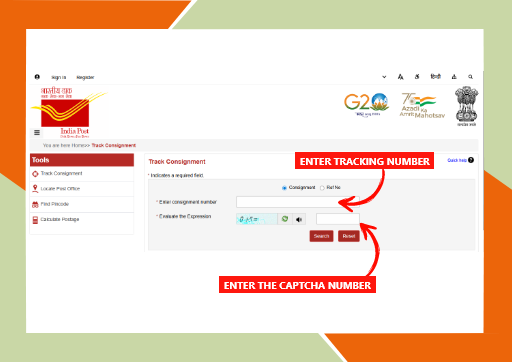
brahm homeopathy medicine tracking details
ब्रह्म होम्योपैथी मेडिसिन ट्रैकिंग कैसे करें?
अगर आपने ब्रह्म होम्योपैथी से दवा ऑर्डर की है और आप उसकी डिलीवरी की स्थिति जानना चाहते हैं, तो आप आसानी से इंडिया पोस्ट की वेबसाइट पर जाकर अपनी दवा को ट्रैक कर सकते हैं।
- ब्रह्म होम्योपैथी अधिकतर दवाएं भारत सरकार की इंडिया पोस्ट सेवा के माध्यम से भेजता है, जिसमें हर पार्सल का एक यूनिक ट्रैकिंग नंबर होता है।
Brahm Homeopathy Medicine Tracking Details.
- ट्रैकिंग के लिए सबसे पहले India Post की वेबसाइट पर जाएं। वहां “Track Consignment” विकल्प पर क्लिक करें। इसके बाद स्क्रीन पर दिख रही जगह पर अपना ट्रैकिंग नंबर डालें जो आपको ब्रह्म होम्योपैथी से SMS या Email के माध्यम से मिला होगा। - फिर स्क्रीन पर दिखाई दे रही कैप्चा कोड को सही-सही भरें और “Search” बटन पर क्लिक करें।
- इसके बाद आपको आपकी दवा का पूरा स्टेटस दिखेगा – जैसे कि पार्सल कहां पहुंचा है, कब डिलीवर होगा आदि। यह प्रक्रिया सरल है और घर बैठे आप अपने ऑर्डर की जानकारी आसानी से प्राप्त कर सकते हैं।
इस प्रकार, ब्रह्म होम्योपैथी की ट्रैकिंग सुविधा पारदर्शिता और भरोसेमंद सेवा का परिचायक है।
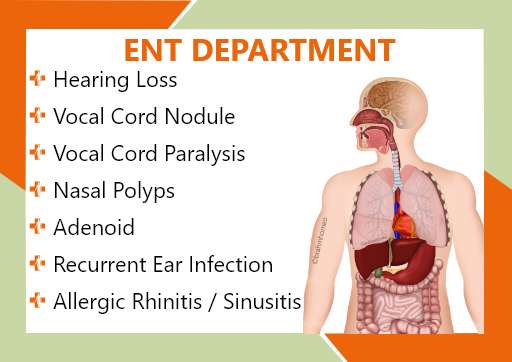
ENT DEPARTMENT
Hearing Loss, Vocal Cord Nodule, Vocal Cord Paralysis, Nasal Polip, Adenoid, Recurrent ear infection, Allergic Rhinitis/Sinusitis
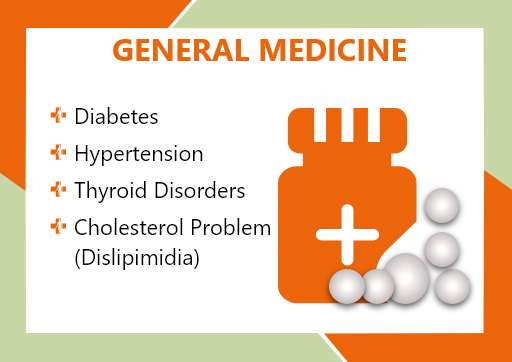
GENERAL MEDICINE
Diabetes
Hypertension
Thyroid Disorders
Cholesterol problem (Dislipimidia)
Diseases
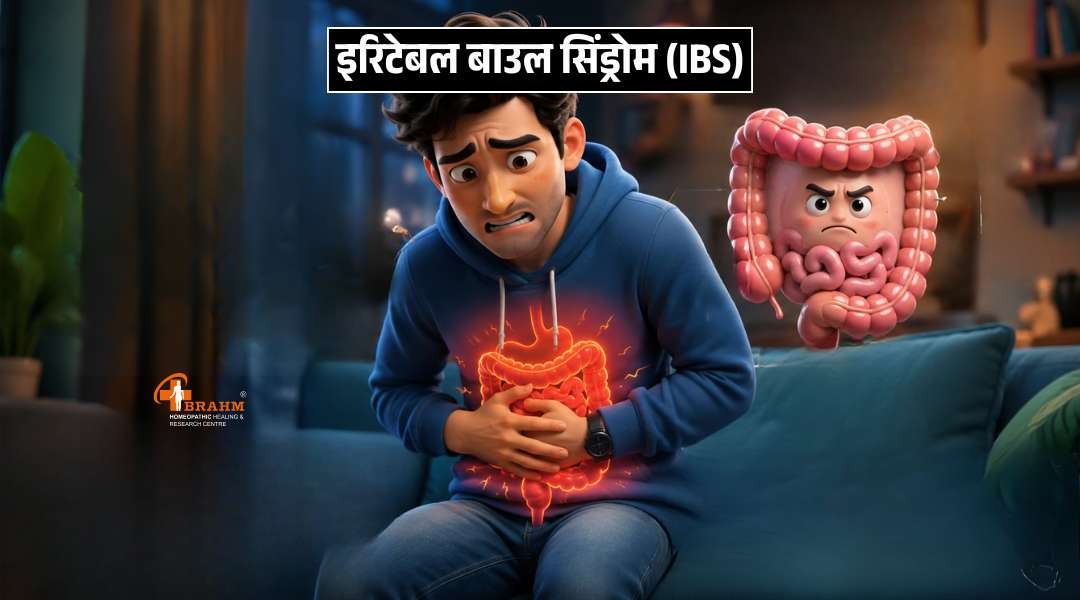
ibs kyu hota hai? homeoapthy me kya ilaj hai?
Irritable Bowel Syndrome - IBS (इरिटेबल बाउल सिंड्रोम)बीमारी क्या है?इरिटेबल बाउल सिंड्रोम (IBS) बड़ी आंत (Large Intestine) से जुड़ी एक सामान्य लेकिन परेशान करने वाली बीमारी है। इसमें आंतें बिना किसी स्पष्ट कारण के अत्यधिक संवेदनशील हो जाती हैं। यह बीमारी आंतों को कोई स्थायी नुकसान नहीं पहुंचाती, लेकिन इससे जीवन की गुणवत्ता बहुत प्रभावित होती है। यह एक Functional Disorder है यानी आंतें दिखने में सामान्य होती हैं लेकिन काम सही से नहीं करतीं। यह बीमारी कैसे होती है?IBS में दिमाग और आंतों के बीच का संवाद (Gut-Brain Connection) बिगड़ जाता है। आंतों की मांसपेशियां या तो बहुत तेज या बहुत धीमी गति से काम करने लगती हैं। इससे खाना या तो बहुत जल्दी या बहुत धीमे आगे बढ़ता है जिससे दस्त या कब्ज की समस्या होती है। तनाव और चिंता इस बीमारी को और अधिक बढ़ा देते हैं।
बीमारी के कारण (Causes)?- मानसिक तनाव और चिंता — यह IBS का सबसे बड़ा ट्रिगर है- आंतों में संक्रमण — किसी पुराने संक्रमण के बाद IBS हो सकता है- खाने की गलत आदतें — अनियमित खान-पान- हार्मोनल बदलाव — महिलाओं में मासिक धर्म के दौरान लक्षण बढ़ते हैं- आंतों की अतिसंवेदनशीलता — आंतें सामान्य दबाव को भी दर्द की तरह महसूस करती हैं- आंतों में बैक्टीरिया का असंतुलन (Gut Dysbiosis)- अनुवांशिक कारण — परिवार में किसी को हो तो खतरा बढ़ता है- खाद्य असहिष्णुता — जैसे Lactose या Gluten से एलर्जी
लक्षण (Symptoms)?- पेट में मरोड़ और दर्द जो मल त्याग के बाद कम हो जाए- बार-बार दस्त लगना (IBS-D)- लगातार कब्ज रहना (IBS-C)- कभी दस्त कभी कब्ज (IBS-M)- पेट फूलना और गैस बनना- मल में सफेद बलगम आना- अचानक शौच की तेज इच्छा होना- थकान और कमजोरी- तनाव बढ़ने पर लक्षण और बिगड़ना
क्या खाएं?- फाइबर युक्त भोजन — जैसे दलिया, ओट्स, सब्जियां- मूंग दाल और मसूर दाल — हल्की और सुपाच्य- केला — दस्त में बहुत फायदेमंद- अदरक की चाय — पेट की ऐंठन में राहत देती है- दही और छाछ — अच्छे बैक्टीरिया के लिए प्रोबायोटिक- सेब (बिना छिलके के)- छोटे-छोटे भोजन दिन में 5-6 बार- पुदीने की चाय — आंतों की ऐंठन में राहत देती है क्या न खाएं?- मसालेदार और तला-भुना खाना- दूध और डेयरी उत्पाद — अगर Lactose Intolerance हो- गेहूं और मैदा — Gluten संवेदनशीलता में- गोभी, राजमा, छोले — गैस बनाने वाली सब्जियां- कैफीन — चाय, कॉफी और कोल्ड ड्रिंक- शराब पूरी तरह बंद करें-च्युइंगम और आर्टिफिशियल मिठास-एक बार में अधिक खाना- जंक फूड और फास्ट फूड
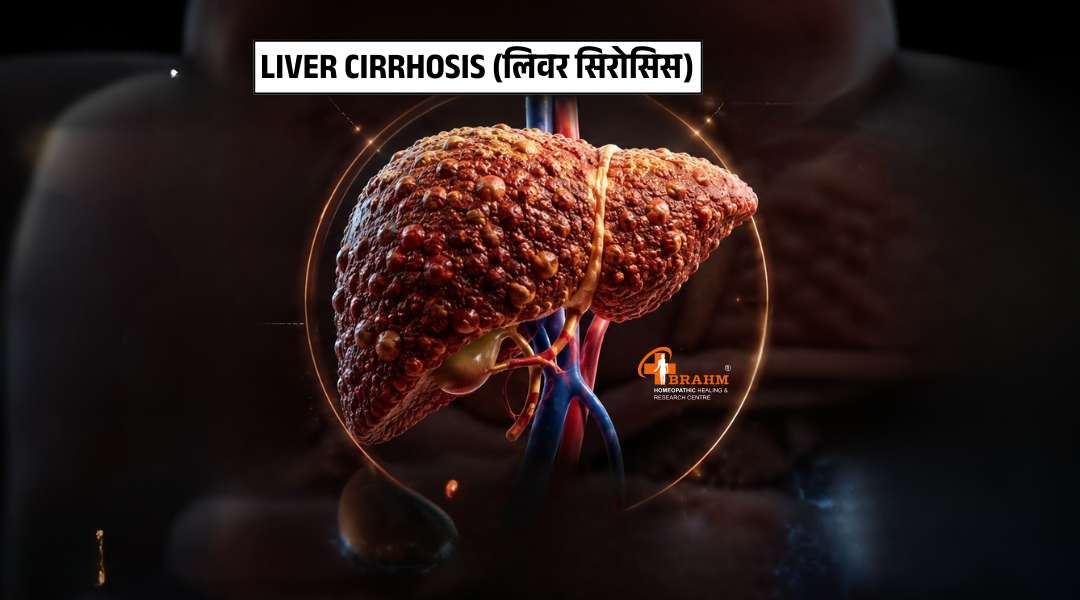
liver cirrhosis bimari kya hai? kaise hoti hai?
Liver Cirrhosis (लिवर सिरोसिस) बीमारी क्या है?लिवर सिरोसिस एक गंभीर बीमारी है जिसमें लिवर की सामान्य कोशिकाएं धीरे-धीरे नष्ट होकर घाव के निशान (Scar Tissue) में बदल जाती हैं। यह प्रक्रिया इतनी धीमी होती है कि मरीज को वर्षों तक पता नहीं चलता। जब लिवर का अधिकांश हिस्सा Scar Tissue बन जाता है तो लिवर अपना काम सही से नहीं कर पाता। लिवर शरीर का सबसे बड़ा अंग है जो 500 से अधिक महत्वपूर्ण कार्य करता है जैसे खून साफ करना, पाचन में मदद करना और प्रोटीन बनाना। यह बीमारी कैसे होती है?जब लिवर को लंबे समय तक नुकसान पहुंचता रहता है तो वह खुद को ठीक करने की कोशिश करता है। इस प्रक्रिया में सामान्य कोशिकाओं की जगह Fibrosis यानी रेशेदार ऊतक बनने लगते हैं। धीरे-धीरे पूरा लिवर कठोर और सिकुड़ा हुआ हो जाता है और उसकी कार्यक्षमता खत्म होने लगती है।
बीमारी के कारण (Causes)?- शराब का अत्यधिक और लंबे समय तक सेवन — सबसे बड़ा कारण- हेपेटाइटिस B और C वायरस — दूसरा सबसे बड़ा कारण- फैटी लिवर रोग (NAFLD) — मोटापे और डायबिटीज से जुड़ा- ऑटोइम्यून हेपेटाइटिस — शरीर खुद लिवर पर हमला करे- अनुवांशिक बीमारियां — जैसे Wilson's Disease- कुछ दवाओं का दीर्घकालिक उपयोग- मोटापा और अनियंत्रित मधुमेह
लक्षण (Symptoms)?- शुरुआत में कोई लक्षण नहीं होते-थकान और कमजोरी- पेट में पानी भरना (Ascites)- पैरों में सूजन- उल्टी में खून आना- त्वचा में खुजली- मानसिक भ्रम और याददाश्त कमजोर होना- हथेलियां लाल होना- पुरुषों में स्तन बढ़ना महत्वपूर्ण जानकारीलिवर सिरोसिस एक बार हो जाने पर पूरी तरह ठीक नहीं होता लेकिन सही इलाज से इसे आगे बढ़ने से रोका जा सकता है। शुरुआती अवस्था में इलाज शुरू किया जाए तो लिवर खुद को कुछ हद तक ठीक कर सकता है। अंतिम अवस्था में लिवर ट्रांसप्लांट ही एकमात्र विकल्प बचता है।
क्या खाएं?- उच्च प्रोटीन युक्त भोजन — दाल, अंडे का सफेद भाग, मछली- ताजे फल और सब्जियां — पपीता, सेब, गाजर, पालक- नारियल पानी — लिवर के लिए बहुत फायदेमंद- लहसुन और हल्दी — लिवर की सफाई में सहायक- आंवला — विटामिन C से भरपूर और लिवर के लिए उपकारी- गाजर का जूस — लिवर को मजबूत करता है- कम नमक वाला भोजन — पेट में पानी भरने से बचाता है- छोटे-छोटे भोजन बार-बार लें क्या न खाएं?- शराब बिल्कुल बंद करें — एक बूंद भी नहीं- अधिक नमक — पेट में पानी बढ़ाता है- तला-भुना और मसालेदार खाना- रेड मीट और प्रोसेस्ड फूड- मैदा और बाजार की मिठाइयां- कच्चा या अधपका मांस और मछली- अधिक चीनी और मीठे पेय- डॉ की सलाह के कोई भी दवा न लें- धूम्रपान पूरी तरह बंद करें
PCOD / PCOS ka homeopathic me ilaj?
PCOD / PCOS (पॉलीसिस्टिक ओवेरियन डिजीज) बीमारी क्या है?PCOD (Polycystic Ovarian Disease) और PCOS (Polycystic Ovarian Syndrome) महिलाओं के अंडाशय (Ovaries) से जुड़ी एक हार्मोनल बीमारी है। इसमें अंडाशय में छोटी-छोटी अनेक गांठें (Cysts) बन जाती हैं। यह बीमारी आजकल 15 से 45 साल की महिलाओं में बहुत आम होती जा रही है। PCOD में अंडाशय अपरिपक्व अंडे बनाता है जो बाद में सिस्ट बन जाते हैं। इससे मासिक धर्म अनियमित हो जाता है और प्रजनन क्षमता प्रभावित होती है। यह बीमारी कैसे होती है?PCOD/PCOS में शरीर में पुरुष हार्मोन (Androgen) का स्तर बढ़ जाता है। इससे अंडाशय से हर महीने सामान्य रूप से अंडा नहीं निकल पाता। अंडे अंडाशय में ही रहकर छोटी-छोटी थैलियों (Cysts) में बदल जाते हैं। इंसुलिन प्रतिरोध (Insulin Resistance) भी इस बीमारी में महत्वपूर्ण भूमिका निभाता है।
बीमारी के कारण (Causes)?- हार्मोनल असंतुलन — Androgen हार्मोन का अधिक बनना- इंसुलिन प्रतिरोध — कोशिकाएं इंसुलिन का सही उपयोग नहीं कर पातीं- अनुवांशिक कारण — परिवार में माँ या बहन को हो तो खतरा अधिक- मोटापा — अतिरिक्त वजन हार्मोन असंतुलन बढ़ाता है- तनाव और चिंता- अनियमित जीवनशैली और नींद की कमी
लक्षण (Symptoms)?- मासिक धर्म अनियमित होना या बंद हो जाना- चेहरे, छाती और पीठ पर अधिक बाल उगना (Hirsutism)- चेहरे पर मुंहासे और तैलीय त्वचा- सिर के बालों का झड़ना- वजन बढ़ना विशेषकर पेट के आसपास- गर्भधारण में कठिनाई- पेट के निचले हिस्से में दर्द- त्वचा पर काले धब्बे (Acanthosis Nigricans) महत्वपूर्ण जानकारीPCOD/PCOS पूरी तरह ठीक हो सकती है अगर सही समय पर इलाज और जीवनशैली में बदलाव किया जाए। यह बीमारी अगर अनियंत्रित रहे तो डायबिटीज, हृदय रोग और बांझपन का खतरा बढ़ जाता है। भारत में हर 5 में से 1 महिला PCOD से पीड़ित है। क्या खाएं?- पालक, मेथी, सरसों- ब्राउन राइस, जौ, ओट्स- दालचीनी इंसुलिन संवेदनशीलता बढ़ाती है- अलसी के बीज हार्मोन संतुलन में सहायक- मेथी दाना ब्लड शुगर नियंत्रित करता है- मछली ओमेगा 3 के लिए क्या न खाएं?- मैदा और सफेद चावल- मीठा और मिठाइयां- कोल्ड ड्रिंक और पैकेज्ड जूस- जंक फूड और फास्ट फूड- अधिक नमक- प्रोसेस्ड और डिब्बाबंद भोजन- अधिक कैफीन- शराब और धूम्रपान
Videos
Chronic Gastric Ulcer ka homeopathy me ilaj?
१) क्रॉनिक गैस्ट्रिक अल्सर का इलाज?
- क्रॉनिक गैस्ट्रिक अल्सर गंभीर बीमारी है, जिस में पेट की अंदरूनी पर्त में घाव बन जाता है। - जब यह अल्सर लंबे समय तक 3 महीने से भी अधिक बना रहता है. बार-बार वापस आता है, तो इसे “क्रॉनिक” कहा जाता है। - अगर सही समय पर इसका सही इलाज नहीं किया जाए, तो यह गंभीर समस्याओं का कारण हो सकता है.
२) क्रॉनिक गैस्ट्रिक अल्सर के कारण?
- क्रॉनिक गैस्ट्रिक अल्सर कई कारण से हो सकते हैं, जैसे की, - H. pylori बैक्टीरिया के संक्रमण से - बहुत ही ज्यादा मसालेदार तैलीय भोजन करने से - मानसिक तनाव तथा अनियमित जीवनशैली - ये सब कारक पेट के पर्त को नुकसान पहुंचाते हैं, जिस से अल्सर होता है।
३) क्रॉनिक गैस्ट्रिक अल्सर के लक्षण?इस बीमारी के लक्षण इस तरह से हैं, - पेट में जलन होना
- भूख भी सही से नहीं लगना - वजन का कम होना - गंभीर परीस्थिति में खून की उल्टी यह लक्षण दिखाई दें, तो तुरंत डॉ से संपर्क करना चाहिए। ४) क्रॉनिक गैस्ट्रिक अल्सर का सही इलाज?
# 1. दवा के द्वारा इलाज - डॉ. आमतौर पर इस तरह के दवाएं देते हैं: - ओमेप्राजोल, पेट के एसिड को कम करते हैं.
- H. pylori संक्रमण को खत्म करने के लिए एंटीबायोटिक्स
# 2. आहार में परिवर्तन # किन चीजों से बचें - ज्यादा मसालेदार तला हुआ खाना।
- चाय, कोल्ड ड्रिंक्स - शराब तथा धूम्रपान #क्या खाएं - हल्का भोजन- दही , दलिया - हरी सब्जियां तथा फल #3. जीवनशैली में सुधार - धूम्रपान को पुरे तरह से छोड़ दें - शराब को नहीं पीना - नियमित ७-८ घंटे नींद लें
५) क्रॉनिक गैस्ट्रिक अल्सर से बचाव?
- संतुलित आहार को लें - तनाव को कण्ट्रोल में रखे
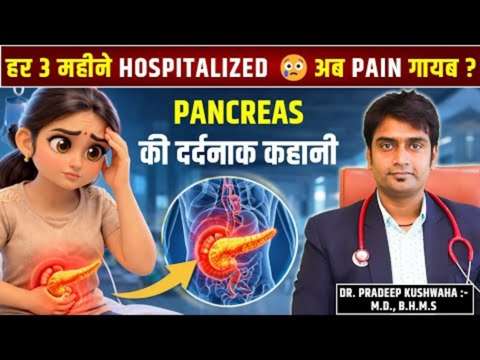
pancreatitis me sujan hone ka kya ilaj hai?
1) पैंक्रियास की सूजन का इलाज?
- पैंक्रियास (अग्नाशय) मानव शरीर का एक ज़रूरी अंग है, जो पेट के पीछे स्थित होता है। इसका काम पाचन एंजाइम और हार्मोन बनाना है। - जब इस अंग में सूजन आ जाती है, तो इस स्थिति को पैंक्रियाटाइटिस कहते हैं। - यह स्थिति अचानक (एक्यूट) हो सकती है या लंबे समय तक (क्रोनिक) बनी रह सकती है।
2) पैंक्रियास की सूजन के कारण?
- बहुत ज़्यादा शराब पीना - पित्त की पथरी (Gallstones) - ट्राइग्लिसराइड का स्तर ज़्यादा होना - कुछ दवाओं के साइड इफ़ेक्ट - इन्फेक्शन या आनुवंशिक कारण
3) पैंक्रियास की सूजन के लक्षण क्या हैं?
- दर्द भी पीठ तक फ़ैल सकते है.
- जी मिचलाना और उल्टी होना- बुखार; पेट फूलना
4) पैंक्रियास की सूजन का इलाज?
# 1. अस्पताल में भर्ती होना
- अगर सूजन गंभीर है, तो मरीज़ को अस्पताल में भर्ती करने की ज़रूरत होती है।
- नस के ज़रिए (IV) तरल पदार्थ दिए जाते हैं।
- मरीज़ को कुछ समय के लिए बिना खाना दिए रखा जाता है ताकि पैंक्रियास को आराम मिल सके और वह ठीक हो सके। # 2. दवाएँ - डॉक्टर द्वारा बताई गई दवाओं में ये शामिल हो सकती हैं: - दर्द कम करने के लिए पेनकिलर - पाचन एंजाइम सप्लीमेंट
5) घरेलू और प्राकृतिक उपाय?
# 1. हल्का और संतुलित आहार - कम वसा वाला खाना खाएँ
- उबली हुई सब्ज़ियाँ, फल और दलिया खाएँ
- बहुत ज़्यादा तले हुए, चिकनाई वाले और मसालेदार खाने से बचें# 2. खूब पानी पिएँ
# 3. शराब और धूम्रपान से दूर रहें
# 4. नारियल पानी पीने से भी पाचन बेहतर हो सकता है
6) किन चीज़ों से बचना चाहिए?
- बहुत ज़्यादा तेल या घी का सेवन न करें - जंक फ़ूड से बचें
- डॉक्टर से सलाह लिए बिना कोई भी दवा न लें
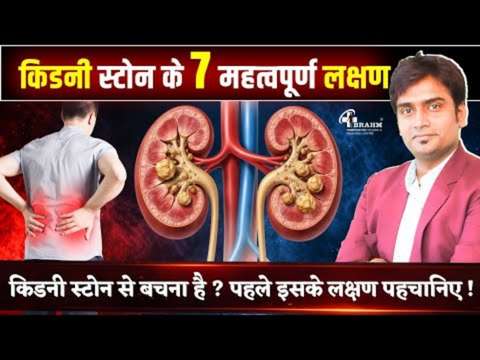
homeopathy me kidney stones ka ilaj?
१) किडनी स्टोन का इलाज?
- गुर्दे की पथरी बेहद दर्दनाक समस्या है। यह तब होता है, जब मूत्र में रहे हुए खनिज और लवण क्रिस्टल के रूप में जमा हो कर के कठोर पथरी का रूप ले लेते हैं।
- पथरी किडनी में मूत्र मार्ग के कोई भी भाग में बन सकती है। यदि समय पर सही इलाज नहीं किया गया तो यह बेहद गंभीर समस्या हो सकती है.
२) किडनी स्टोन होने के क्या कारण हो सकते है?
किडनी में स्टोन बनने के कई कारण हो सकते हैं, जैसे: की,
- कम पानी को पीने से।
- ज्यादा नमक या तो, प्रोटीन वाला भोजन
- आनुवंशिक के कारण से - कुछ दवा का ज्यादा सेवन करने से
- मूत्र में संक्रमण
३) किडनी स्टोन होने पर क्या लक्षण दिखाई देते है?
- किडनी स्टोन के लक्षण निचे बताये हैं,
- पीठ के निचले भाग में तेज दर्द का होना - पेशाब करते समय जलन का होना। - बार-बार पेशाब करने जाने की इच्छा
४) किडनी स्टोन का सही इलाज क्या है?
# 1. तरल पदार्थ का सेवन करना
- यदि छोटी पथरी है,तो उसका इलाज है ज्यादा से ज्यादा पानी को पीना। - दिन में कम से कम ५-७ गिलास जितना पानी को पीने से पथरी मूत्र के माध्यम से बाहर निकल सकती है।
# 2. दवा से इलाज
डॉ. दर्द को कम करने तथा पथरी को बाहर निकालने के लिए दवा को देते हैं, जैसे की,
- पेन किलर जो के दर्द को कण्ट्रोल करने के लिए।
- यदि संक्रमण हो तो, एंटीबायोटिक्स ५) किडनी स्टोन के लिए घरेलू उपाय?
- घरेलू उपाय से भी किडनी स्टोन को कम करने में मदद करते है,
- नींबू पानी के सेवन करने से पथरी बनने से रोकता है. - तुलसी का रस किडनी को अच्छा बनाये रखने में मदद करता है. -सेब का सिरका पथरी को घुलाने में मदद कर सकता है घरेलू उपाय को अपनाने से पहले डॉ. की सलाह को जरूर लें.
६) बचाव के लिए उपाय?
- डेली उचित पानी को पीना। - नियमित कसरत करना। - समय समय पर अपने स्वास्थ्य की जांच करवाना।
